
 Save to Pinterest
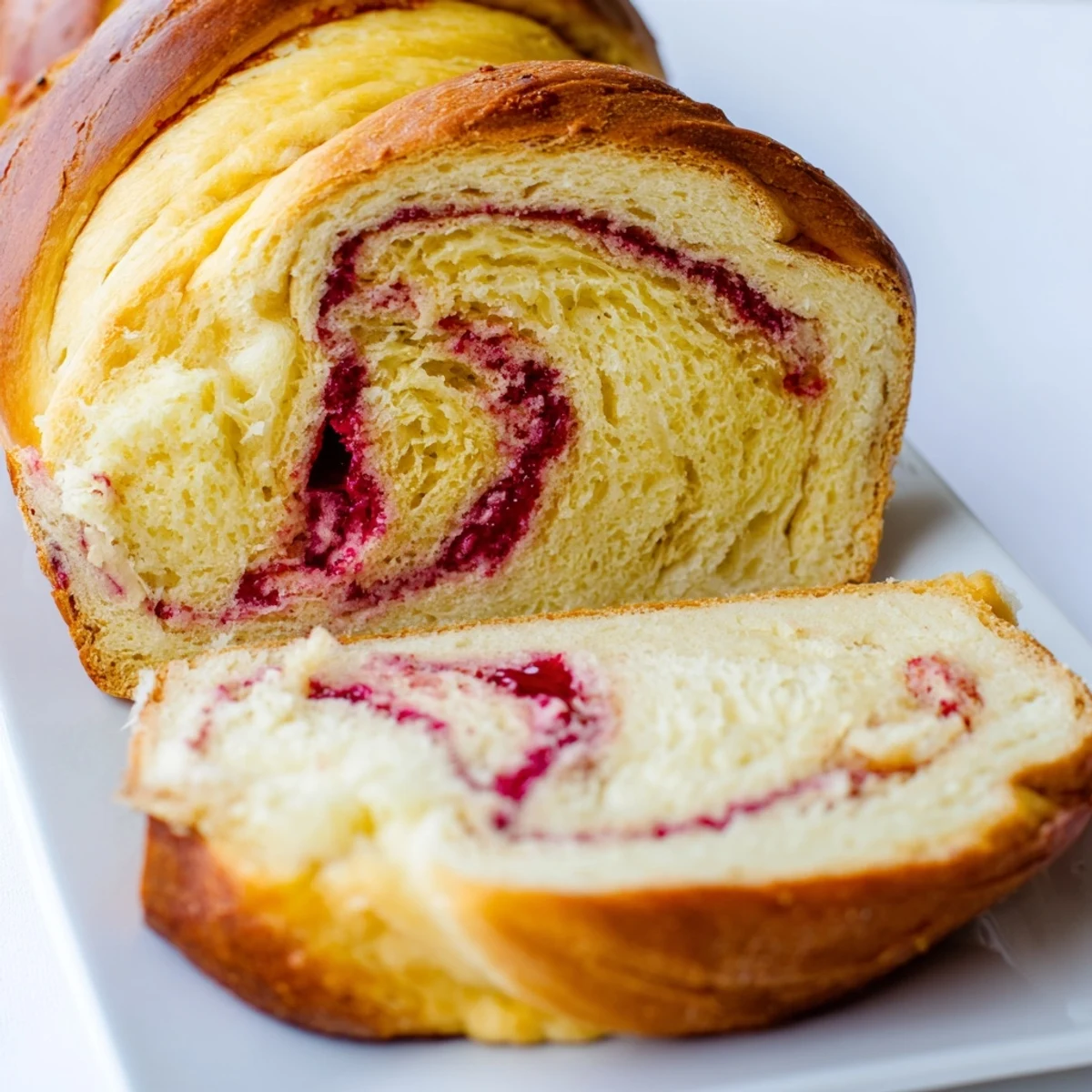
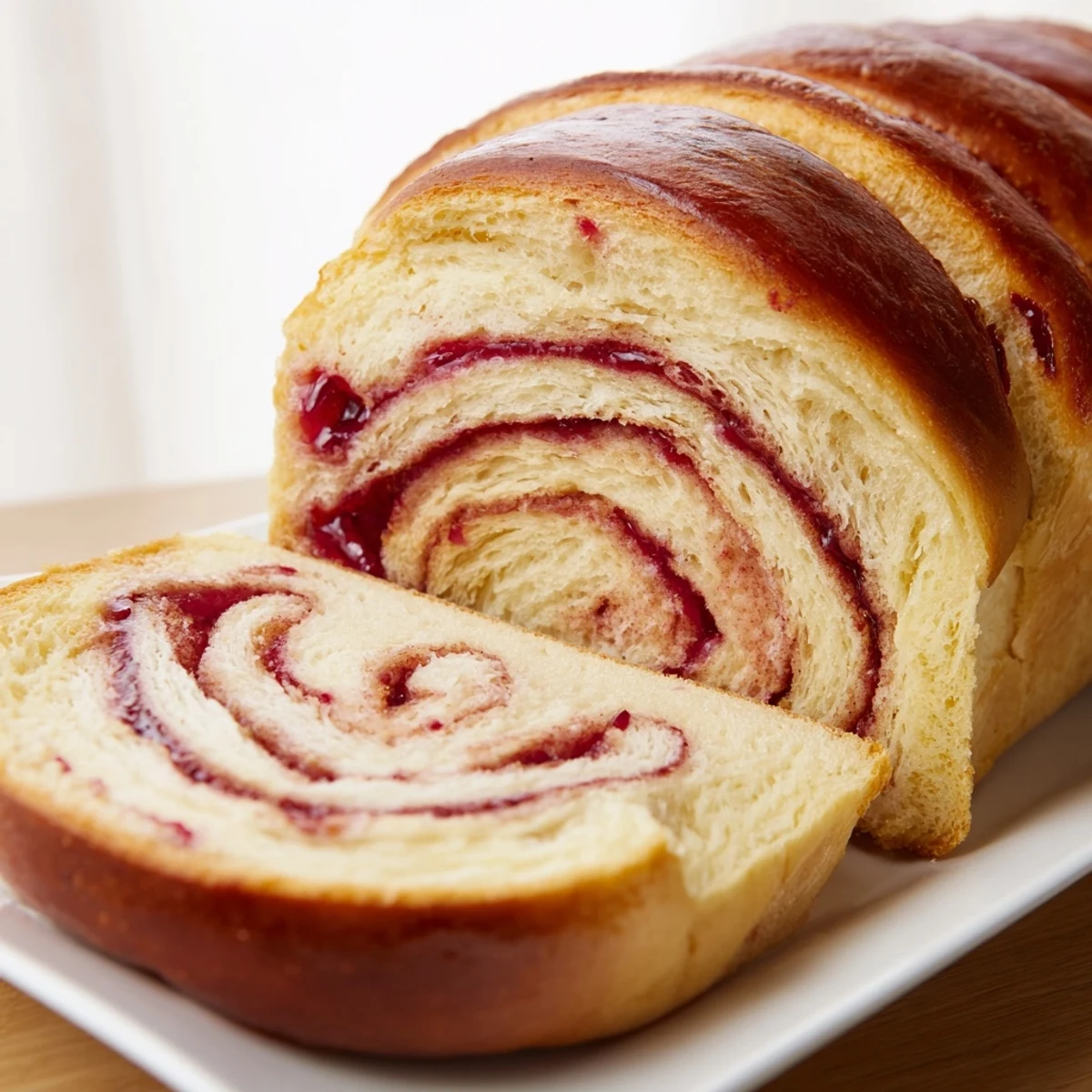
 This raspberry swirl brioche combines a rich, buttery French bread dough with sweet-tart raspberry preserves, creating a stunning spiral pattern when sliced. The dough requires patience—allowing proper rising time ensures the characteristic light, airy texture that brioche is famous for.
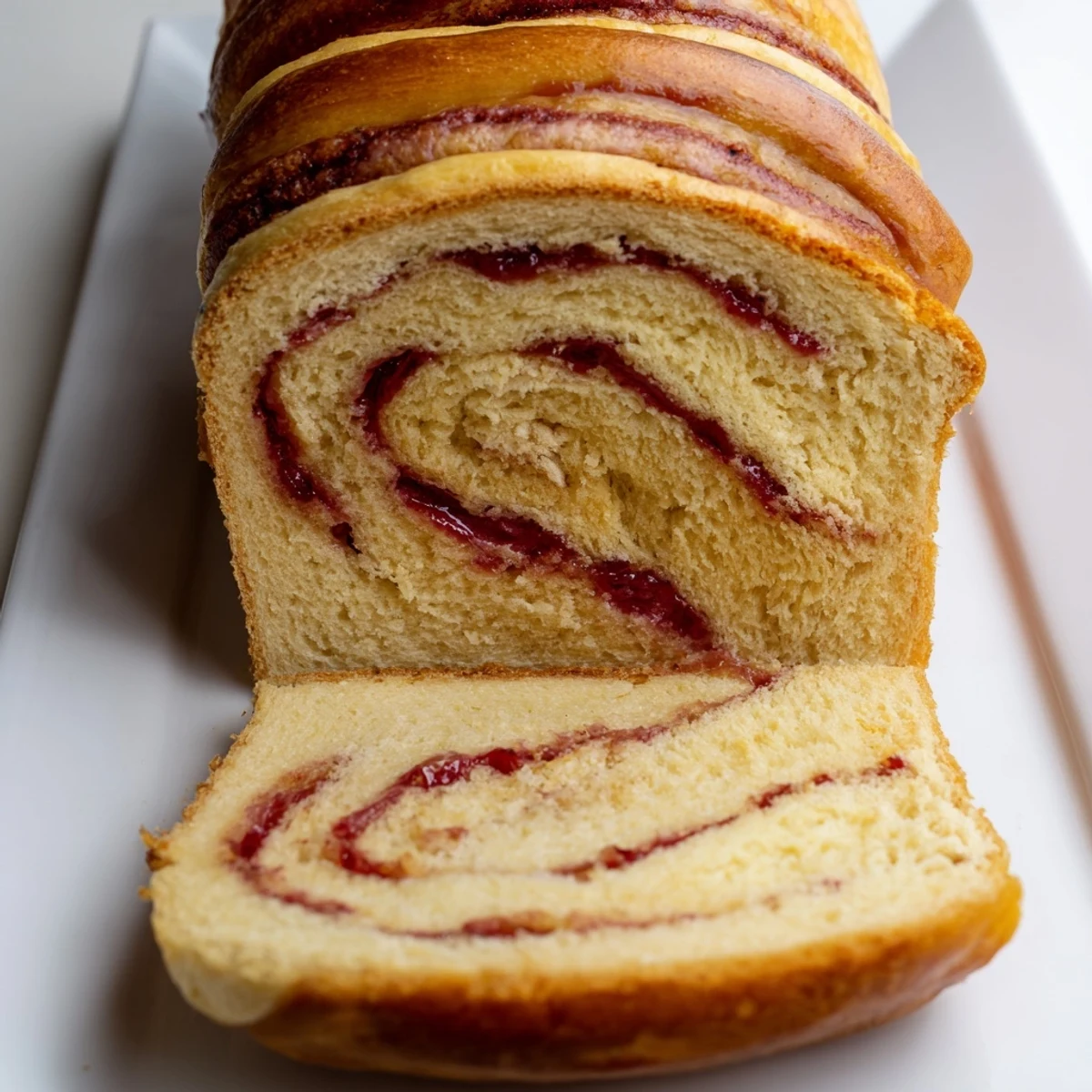
The twist technique exposes the beautiful raspberry filling, creating an impressive presentation that's surprisingly achievable for home bakers. While the total time spans over three hours, most of this is hands-off rising time.
Enjoy slices lightly toasted with additional butter, or savor them plain to appreciate the delicate balance between the enriched dough and fruit filling. The loaf keeps well for a day or two and can be lightly refreshed in a warm oven.
The first time I made brioche, I underestimated how much butter this dough could actually handle. I kept stopping the mixer, convinced something had gone wrong, but the dough just kept drinking it up. Now that rich, tender texture is exactly what I aim for every single time. There is something magical about watching simple flour and eggs transform into something so luxurious.
I brought this loaf to a weekend brunch with friends last spring, and honestly, it stole the show. Someone commented that it looked like something from a fancy patisserie window, which made me secretly proud. We sat around the table, tearing off warm pieces and discovering those gorgeous raspberry ribbons inside. By the time I reached for a second slice, the platter was already empty.
Ingredients
- All-purpose flour: Creates the structure while keeping the crumb tender and light
- Active dry yeast: Gives the dough its impressive rise and that signature brioche fluffiness
- Unsalted butter: The star ingredient that makes brioche so incredibly rich and decadent
- Raspberry jam: Choose a high-quality jam with pieces of fruit for the best swirl texture
- Fresh raspberries: Adding crushed fresh berries creates pockets of bright, tart flavor
- Eggs: Room temperature eggs incorporate better and help achieve that golden color
Instructions
- Mix the base dough:
- Combine flour, sugar, yeast, and salt in your stand mixer bowl. Add the eggs and lukewarm milk, mixing on low until a shaggy, rough dough forms.
- Incorporate the butter:
- Increase to medium speed and add softened butter gradually, letting each batch disappear before adding more. Knead until the dough is smooth, elastic, and pulls away from the bowl sides.
- First rise:
- Place dough in a greased bowl and cover it. Let it rise in a warm spot until doubled in size, which takes about 1 to 1.5 hours.
- Shape and fill:
- Roll the dough into a 10x16-inch rectangle on a floured surface. Spread jam evenly, leaving a border, and add crushed raspberries if desired.
- Create the twist:
- Roll the dough tightly into a log from the long side. Slice it lengthwise down the center and twist the two halves together with cut sides facing up.
- Second rise and bake:
- Place the twist in a lined loaf pan and let rise until puffy, about 45 minutes. Brush with egg wash and bake at 350°F for 30 to 35 minutes until golden.
 Save to Pinterest
 My grandmother used to say that bread making teaches patience better than anything else. This recipe proved her right in the best way possible. Now whenever I see those pink swirls revealed in a slice, I remember that some things are worth waiting for.
Making It Ahead
You can prepare the dough through the first rise and refrigerate it overnight. Let it come to room temperature before rolling and shaping. This actually develops more flavor and makes morning baking feel effortless.
Flavor Variations
Try swapping the raspberry jam for strawberry, apricot, or even blackberry preserves. Sometimes I add a handful of white chocolate chips along with the jam for extra indulgence. Each variation creates a beautiful surprise when sliced.
Storage and Serving
Store the cooled loaf wrapped tightly at room temperature for up to two days. After that, slice and freeze individual pieces for quick weekday breakfasts. Toasting frozen slices brings back that freshly baked texture.
- Lightly toasting enhances the buttery flavor and warms the jam swirls
- Serve with salted butter for an incredible sweet and salty combination
- This loaf pairs beautifully with a strong cup of black tea or dark roast coffee
 Save to Pinterest
 There is something deeply satisfying about pulling a warm, golden loaf from the oven. Hope this recipe brings as much joy to your kitchen as it has to mine.
Recipe Questions & Answers
- → What makes brioche different from regular bread?
-
Brioche is an enriched bread containing substantial amounts of eggs and butter, resulting in a tender, soft crumb and golden crust. This high fat content gives it a rich flavor and delicate texture unlike lean breads made with just flour, water, and yeast.
- → Can I make the dough ahead of time?
-
Yes, after the first rise, you can refrigerate the dough overnight. The cold fermentation actually develops flavor. Let it come to room temperature for about 30 minutes before rolling out and filling with jam.
- → Why do you slice the log lengthwise before twisting?
-
Cutting the rolled dough lengthwise exposes the raspberry filling, creating the beautiful swirl pattern visible on top of the baked loaf. The twisting technique ensures the jam layers remain visible throughout rather than being hidden inside a traditional roll.
- → Can I use other fruit fillings?
-
Absolutely. Strawberry, apricot, blackberry, or even lemon curd work beautifully. Choose preserves with good body—too thin and they'll leak, too thick and they'll be difficult to spread evenly.
- → How do I know when the brioche is fully baked?
-
The loaf should be deep golden brown on top and sound hollow when tapped on the bottom. An instant-read thermometer inserted into the center should read at least 190°F (88°C). If the top browns too quickly, tent with foil after 20 minutes.
- → Why is my dough sticky and hard to work with?
-
Brioche dough is naturally rich and sticky due to the butter content. Chill the dough for 20-30 minutes if it becomes too soft to handle. Lightly flour your work surface, but avoid adding excessive flour which will toughen the final texture.