
 Save to Pinterest
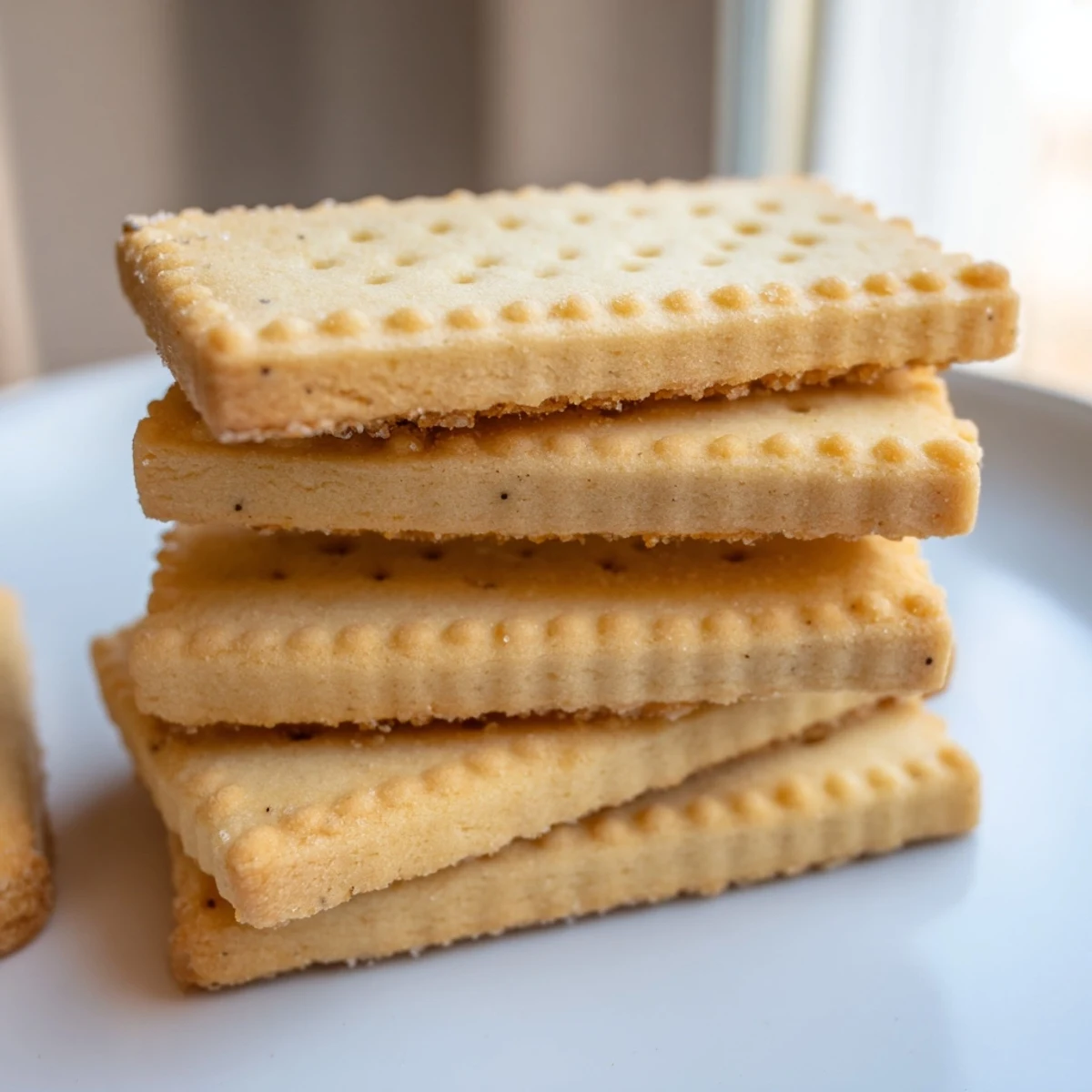
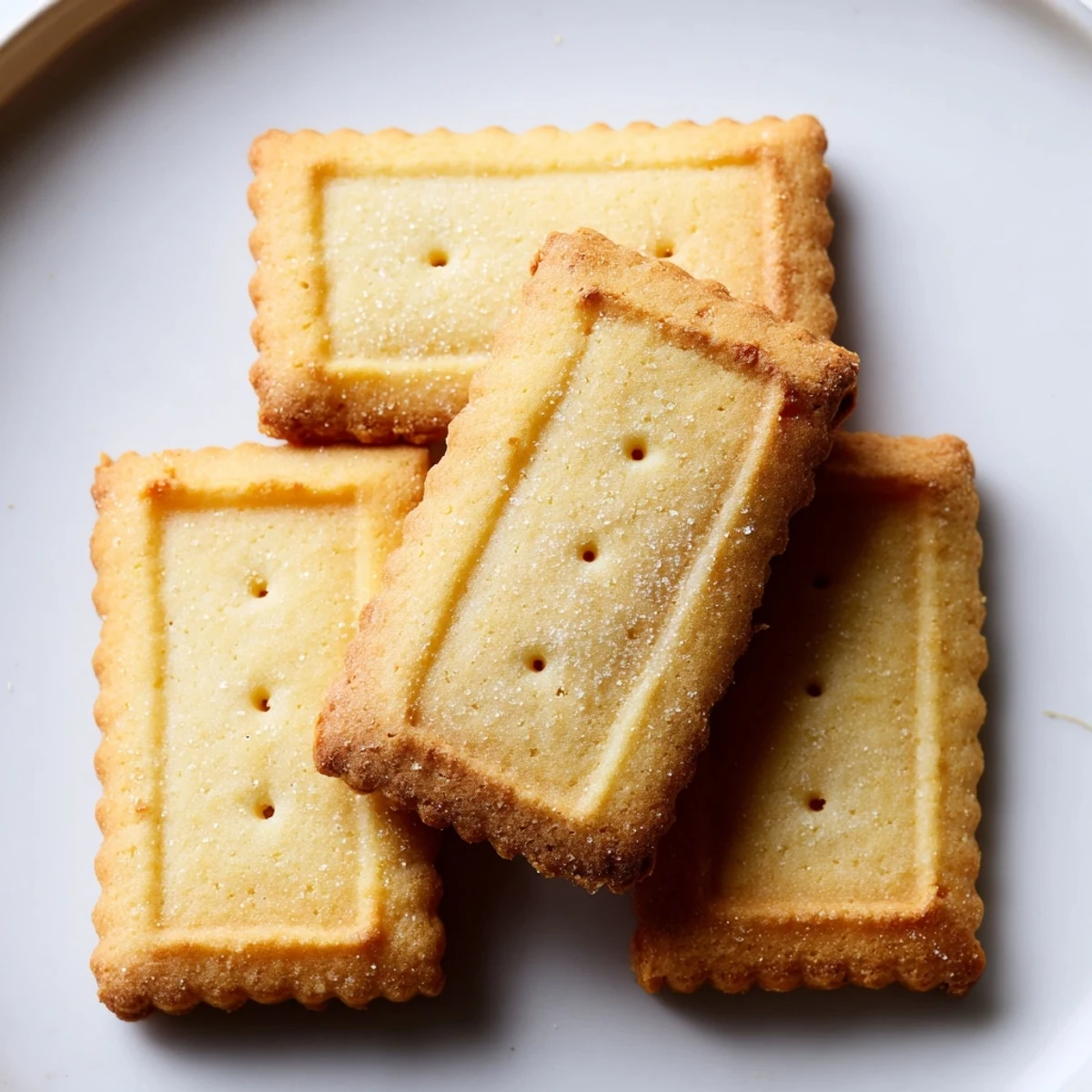
 Le petit beurre est un biscuit emblématique de la pâtisserie française, reconnu pour sa texture croustillante et sa forme rectangulaire cannelée.
Préparé avec des ingrédients simples — farine, beurre doux, sucre et une touche de vanille — il repose sur une pâte sablée facile à travailler après un passage au réfrigérateur.
Cuit en seulement 12 minutes à 180°C, ce biscuit doré est idéal pour accompagner le thé, le café ou pour un goûter gourmand. Il se conserve parfaitement jusqu'à deux semaines dans une boîte hermétique.
There is something quietly magical about a French kitchen on a Sunday afternoon, especially when butter is melting in a saucepan and the whole room smells like a promise. Petit Beurre biscuits were never a grand production in my household, just a steady, calming ritual that appeared whenever the weather turned grey or someone needed a quiet moment with a cup of tea. The dough comes together with almost no fuss, and the rhythmic poking of fork holes across each rectangle became my favorite part long before I understood why it mattered. Golden, crisp, and faintly sweet, these little biscuits carry the kind of simplicity that never gets old.
My neighbor Madame Collin once spotted me cooling a tray of these on my windowsill and appeared at my door twenty minutes later with a jar of her homemade fig jam. We sat in my kitchen dunking biscuits and trading stories until the light turned amber, and I realized food like this is really just an excuse to slow down.
Ingredients
- 200 g all purpose flour: The backbone of the biscuit, and plain flour keeps the texture tender rather than tough.
- 100 g granulated sugar: Just enough sweetness without tipping into cookie territory.
- 100 g unsalted butter: Good butter makes all the difference here since there are so few ingredients competing for attention.
- 50 ml whole milk: Whole milk adds richness and helps bind the dough without making it sticky.
- 5 g baking powder (half a packet): A small lift keeps the biscuits from turning into bricks.
- 1 pinch of salt: Salt sharpens the butter flavor and balances the sugar beautifully.
- 1 vanilla bean (or 1 packet vanilla sugar): Vanilla transforms these from plain to memorable, and scraping a real pod is worth the extra minute.
Instructions
- Melt and blend:
- Gently warm the butter with the milk in a saucepan over low heat, then stir in the sugar and vanilla until everything dissolves into a smooth, fragrant liquid.
- Cool slightly:
- Let the mixture sit for a few minutes so it does not cook the flour when you combine them.
- Form the dough:
- Pour the warmed liquid into a large bowl, add the flour, baking powder, and salt, then stir until a soft, homogeneous dough comes together without any dry patches.
- Rest in the cold:
- Shape the dough into a ball, wrap it tightly in plastic, and tuck it into the refrigerator for a full hour so it firms up and becomes easy to roll.
- Preheat the oven:
- Set your oven to 180 degrees Celsius, static heat, and line a baking sheet with parchment paper.
- Roll and cut:
- On a lightly floured surface, roll the dough out to about 3 or 4 millimeters thick, then use a rectangular scalloped cutter to stamp out each biscuit, pressing firmly for clean edges.
- Poke and bake:
- Arrange the biscuits on the prepared sheet, prick each one a few times with a fork, and bake for 12 minutes until the edges turn a lovely golden brown.
- Cool completely:
- Transfer the biscuits to a wire rack and let them cool until crisp before eating, because patience here rewards you with the perfect snap.
 Save to Pinterest
 The first time I packed these into a small tin and brought them to a friend going through a hard time, she called me later that evening just to say the biscuits made her cry a little.
Variations Worth Trying
A tablespoon of lemon zest rubbed into the sugar before mixing gives the biscuits a brightness that pairs beautifully with afternoon tea. You can also melt dark chocolate and dip half of each cooled biscuit for a version that disappears twice as fast at any gathering.
Storage and Shelf Life
Keep them in a truly airtight tin, not a flimsy container, and they will stay crisp for up to two weeks. If they soften over time, a quick five minutes in a low oven brings back the snap completely.
Kitchen Equipment Tips
A scalloped rectangular cutter is traditional and gives that recognizable Petit Beurre look, but a plain cutter or even a knife works fine if you are not fussy about authenticity. The fork holes are not just decorative, they help steam escape and keep the biscuits flat and even during baking.
- Chill your rolling pin briefly in the freezer if the dough warms up too quickly while you work.
- Parchment paper is non negotiable here since these biscuits stick stubbornly to bare metal.
- Always let the baking sheet cool between batches so the dough does not spread before it bakes.
 Save to Pinterest
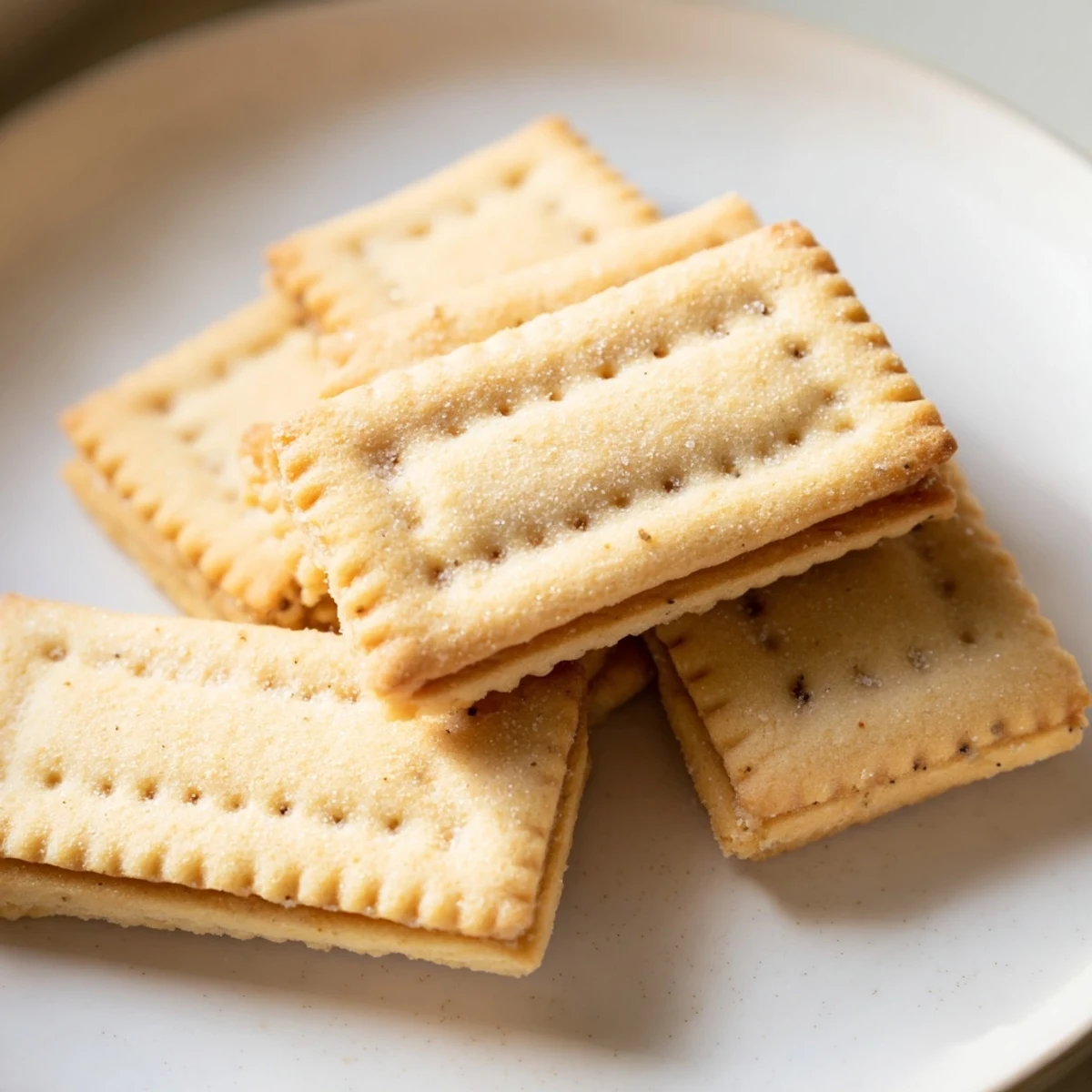
 These humble little rectangles have a way of turning an ordinary afternoon into something worth remembering. Bake a batch, put the kettle on, and see what happens.
Recipe Questions & Answers
- → Pourquoi faut-il laisser reposer la pâte au réfrigérateur ?
-
Le repos d'une heure au frais permet au beurre de se solidifier, ce qui rend la pâte plus facile à étaler et à découper. Cela améliore également la texture croustillante des biscuits après la cuisson.
- → Peut-on utiliser du beurre salé à la place du beurre doux ?
-
Oui, le beurre demi-sel peut remplacer le beurre doux en ajustant la pincée de sel. Cela donnera un léger contraste salé-sucré très apprécié dans les biscuits.
- → Quelle épaisseur idéale pour étaler la pâte ?
-
L'épaisseur recommandée est de 3 à 4 mm. Trop fine, les biscuits seront trop secs. Trop épaisse, ils resteront mous à l'intérieur et perdront leur croustillant caractéristique.
- → Comment bien piquer les biscuits avec la fourchette ?
-
Piquez délicatement la surface de chaque biscuit avec les dents d'une fourchette en formant des petits trous réguliers. Cette étape empêche la pâte de gonfler à la cuisson et donne l'aspect traditionnel du petit beurre.
- → Comment conserver les petits beurre maison ?
-
Placez-les dans une boîte hermétique à température ambiante, idéalement dans un endroit sec. Ils se conservent ainsi une à deux semaines sans perdre leur croustillant.
- → Peut-on parfumer la pâte autrement qu'à la vanille ?
-
Absolument. Vous pouvez ajouter des zestes de citron, de l'extrait d'amande amère, de la cannelle ou même du cacao en poudre pour varier les saveurs selon vos envies.