
 Save to Pinterest
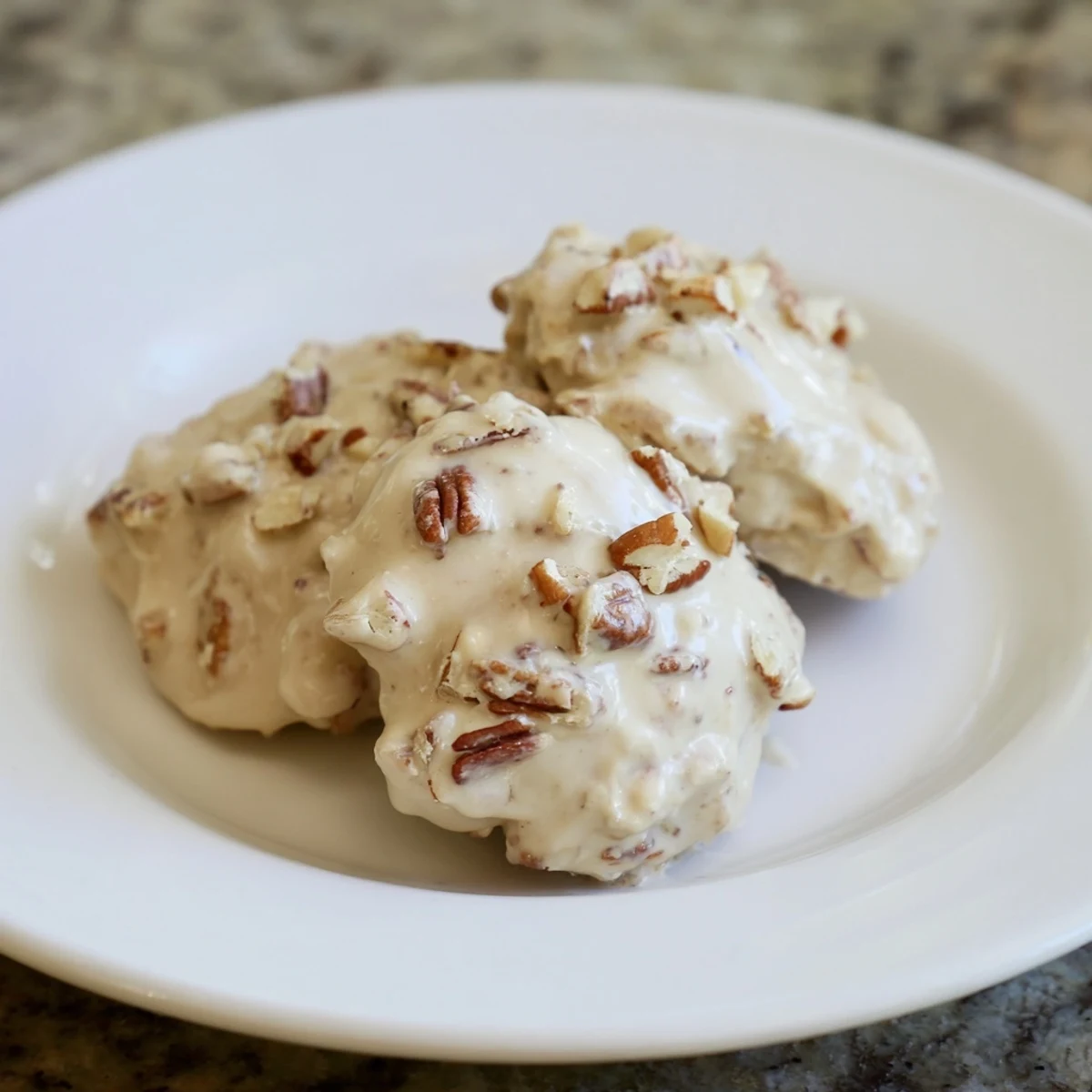
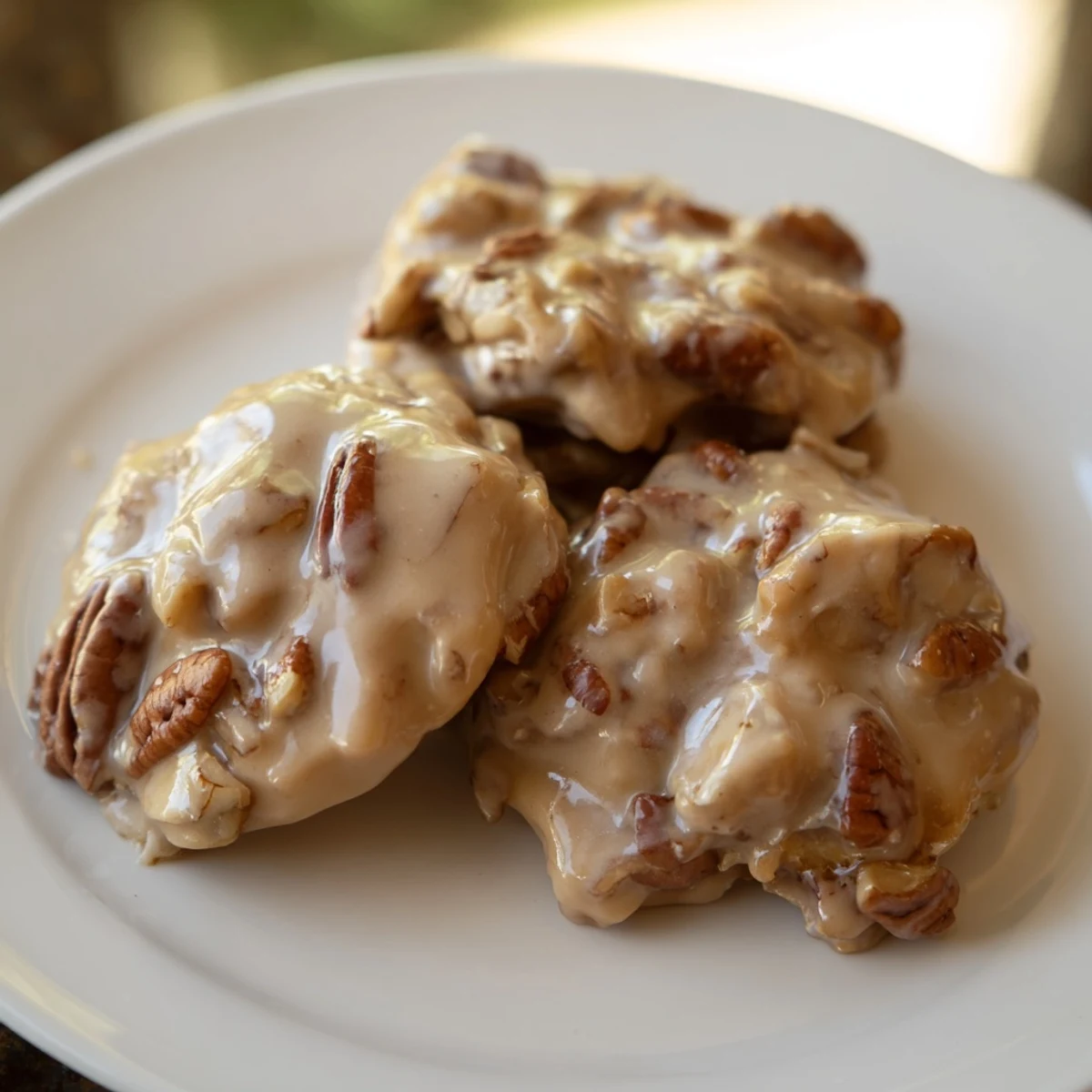
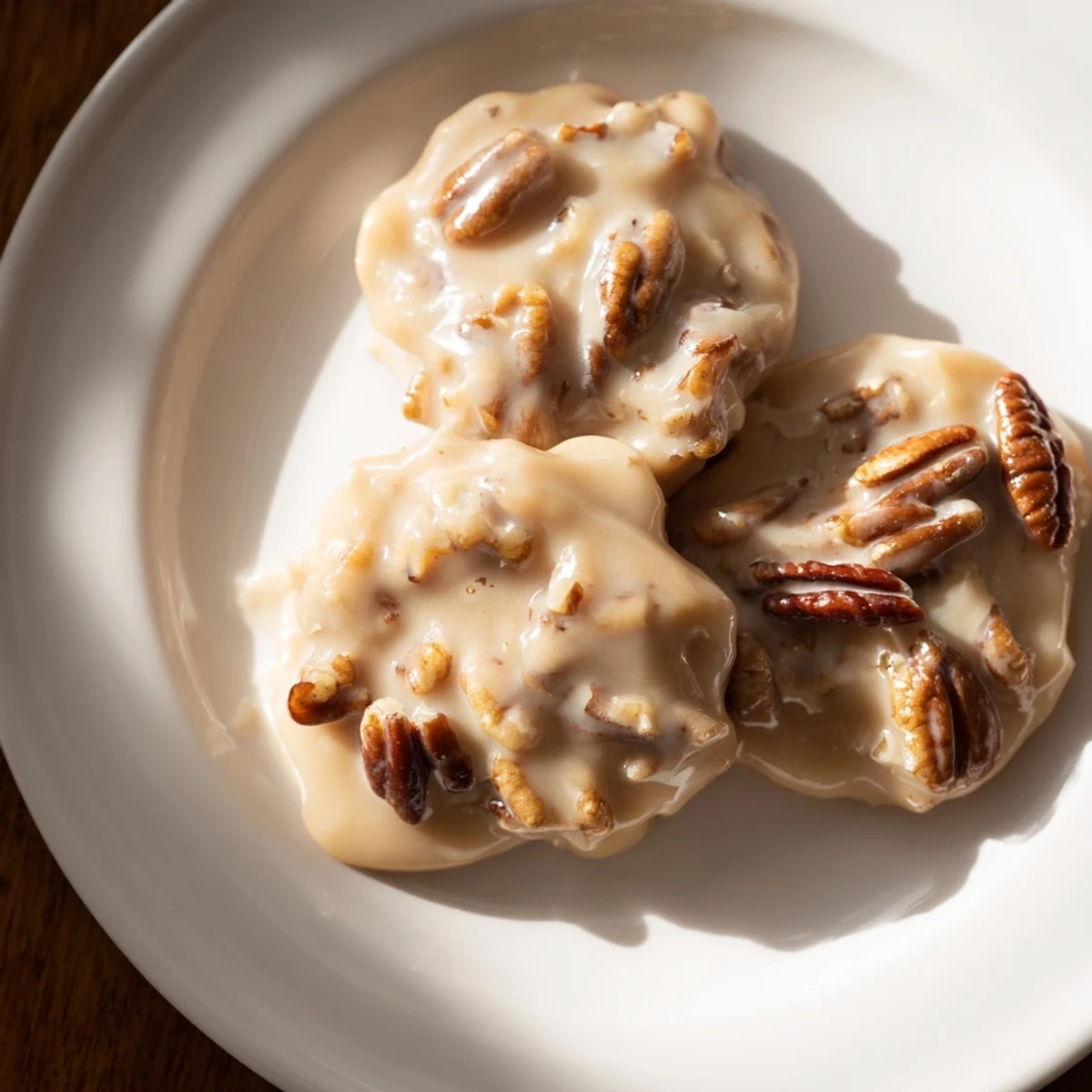
 These Mardi Gras pecan pralines are a Southern classic featuring a luscious blend of heavy cream, butter, and brown sugars. Toasted pecans add crunch and depth, while the smooth, creamy texture melts delightfully with each bite. The process involves carefully cooking the sugar mixture to the soft-ball stage before mixing in the flavorings and nuts. Once dropped onto parchment, the pralines cool to form perfect sweet confections that showcase authentic New Orleans indulgence. Ideal for festive occasions and sweet cravings alike.
The moment my grandmother first let me stir the copper pot, I knew pralines were something special. We stood in her tiny kitchen off St. Charles Avenue, watching sugar and cream bubble into something that felt like pure magic. That afternoon taught me patience—rushing pralines is the quickest way to end up with a grainy, disappointing mess instead of those glossy, melting morsels that define New Orleans sweetness.
Last Mardi Gras, my neighbor knocked on my door holding a tin of homemade pralines from a local bakery. She told me she'd been trying to recreate them for years without success—her batches always turned out either too hard or never set at all. We spent the next afternoon making this recipe together in my kitchen, and watching her face light up when she finally achieved that perfect creamy consistency reminded me why sharing these little victories matters so much.
Ingredients
- Heavy cream: This creates the luxurious base that gives pralines their signature melt-in-your-mouth texture
- Unsalted butter: Cutting it into pieces helps it melt evenly and prevents scorching
- Granulated sugar: The foundation that provides structure and that satisfying crystalline finish
- Light brown sugar: Adds a subtle molasses depth that makes these taste distinctly Southern
- Pecan halves: Toast them lightly beforehand for an irresistible nutty aroma throughout your kitchen
- Vanilla extract: Pure vanilla makes all the difference here—imitation just cannot compete
- Salt: Just a pinch balances all that sweetness and keeps the flavors from becoming cloying
Instructions
- Prepare your workspace:
- Line a baking sheet with parchment paper before you start cooking because once the sugar reaches temperature, every second counts
- Combine the base:
- In a heavy-bottomed saucepan over medium heat, stir together the granulated sugar, brown sugar, heavy cream, butter, and salt until the butter melts and everything comes to a gentle boil
- Reach the perfect temperature:
- Attach a candy thermometer to the side of the pan and continue cooking, stirring frequently, until the mixture hits 238°F (114°C) — the soft-ball stage that ensures proper setting
- Add the magic:
- Remove from heat immediately and stir in the vanilla extract and those toasted pecan halves until well distributed
- The crucial stir:
- Keep stirring vigorously for 2 to 3 minutes, watching the mixture thicken and turn creamy while still being pourable — this step determines whether you get fudge or pralines
- Scoop quickly:
- Drop spoonfuls onto your prepared baking sheet, working fast before the mixture begins to set in the pan
- Let them set:
- Allow the pralines to cool completely at room temperature for about 20 minutes until they are firm and ready to share
 Save to Pinterest
 My daughter helped me make a double batch for her school's international food festival, and watching her carefully monitor the thermometer while explaining candy science to her curious classmates made me realize these recipes connect generations in ways we cannot always predict. One of her teachers later told me those pralines disappeared faster than anything else on the table.
Getting The Texture Right
The difference between grainy fudge and creamy pralines comes down to temperature and timing. If you stop stirring too soon, the sugar crystals will not form properly and you will end up with a sticky mess. But stir too long, and the mixture becomes rock-hard in the pan.
Choosing Your Pecans
Fresh pecans make a noticeable difference in both flavor and texture. Stale nuts can turn what should be a crunchy delight into something disappointingly soft, so give them a quick sniff test before using.
Troubleshooting Common Problems
Sometimes even experienced candy makers run into issues, but most problems have simple fixes once you understand what went wrong.
- If your mixture hardens before scooping, briefly return the pan to very low heat while stirring constantly
- For pralines that never set, you probably did not cook the mixture long enough or the humidity was too high
- When in doubt, trust your thermometer more than the clock — sugar does not care about your schedule
 Save to Pinterest
 There is something deeply satisfying about making candy the old-fashioned way, standing over a bubbling pot while the kitchen fills with the scent of toasted pecans and caramelizing sugar. These pralines carry the spirit of New Orleans in every sweet bite.
Recipe Questions & Answers
- → What is the best way to toast pecans for pralines?
-
Lightly toast pecans in a dry skillet over medium heat for a few minutes until fragrant, stirring often to prevent burning. This enhances their flavor and crunch.
- → How do I know when the sugar mixture reaches the right temperature?
-
Use a candy thermometer and cook until the mixture hits 238°F (114°C), the soft-ball stage, ensuring proper praline texture.
- → Can I use a substitute for heavy cream?
-
Heavy cream provides richness and smoothness; alternatives may affect texture and flavor, so it's best to use heavy cream for authentic results.
- → Why is constant stirring important during cooking?
-
Stirring prevents the sugar from burning and helps the mixture heat evenly, resulting in a creamy, smooth praline base.
- → How should pralines be stored after cooling?
-
Keep pralines in an airtight container at room temperature for up to one week to preserve freshness and texture.