
 Save to Pinterest
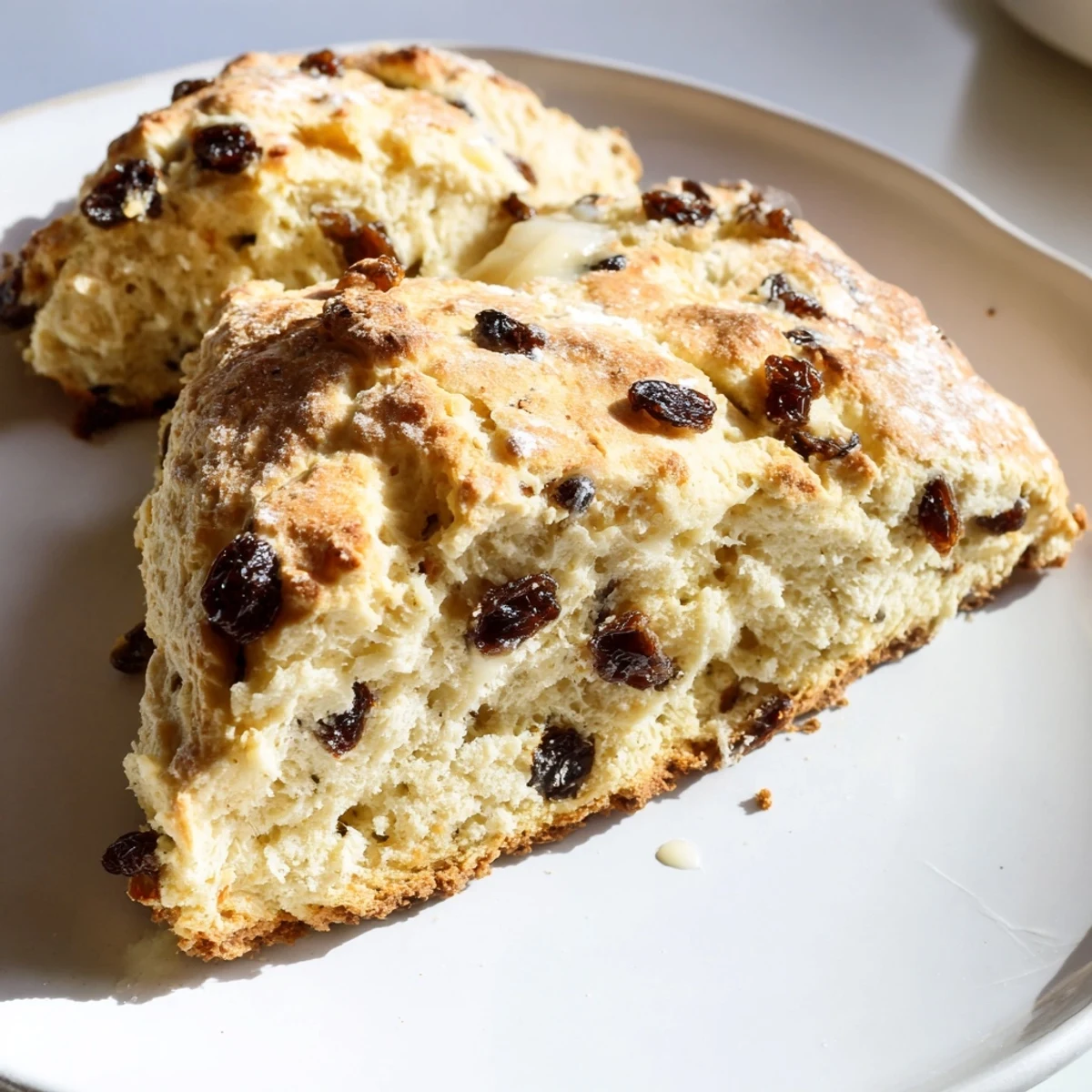
 These Irish soda bread scones are tender and lightly sweet, featuring dried currants throughout. Made with buttermilk, baking soda, and baking powder, they deliver a golden crust and soft crumb. Ideal for breakfast or afternoon tea, they bake quickly and bring a touch of Irish charm to your table. Simple ingredients and gentle handling create a flaky texture without fuss.
The morning fog still clung to our kitchen windows when I first attempted Irish soda bread, completely misunderstanding that traditional Irish soda bread doesn't actually require butter or eggs. I stumbled upon these scones years later while trying to recreate that same rustic comfort in a form my toddler would actually eat. Now they've become our Saturday morning ritual, the scent of buttermilk and currants filling the house before anyone else has even poured their coffee.
Last spring, my neighbor dropped by unexpectedly while a batch was cooling on the counter. She ended up staying for two hours, three scones, and a conversation about her grandmother's bread making days in County Cork. Something about this recipe invites lingering, maybe because it tastes like it took all day when it really only took thirty three minutes.
Ingredients
- 2 cups all-purpose flour: The foundation that gives these scones their satisfying bite and structure
- 2 tablespoons granulated sugar: Just enough sweetness to hint at dessert while staying breakfast appropriate
- 1 teaspoon baking soda: The traditional Irish leavener that creates that characteristic rise and tender crumb
- 1 teaspoon baking powder: Works alongside the soda for extra lift and lightness
- 1/2 teaspoon fine sea salt: Enhances the buttery flavor and balances the sweetness of the currants
- 1/2 cup dried currants: Tiny bursts of tart sweetness throughout every bite
- 1 cup cold buttermilk: Creates tenderness and activates the baking soda for proper rise
- 1 large egg: Adds richness and helps bind the dough together
- 3 tablespoons unsalted butter melted and cooled: Provides fat for flavor without the complexity of cutting cold butter into flour
- 2 tablespoons buttermilk for brushing: Gives the scones their beautiful golden brown finish
Instructions
- Preheat your oven:
- Set your oven to 400°F and line a baking sheet with parchment paper so nothing sticks and cleanup is effortless
- Whisk the dry ingredients:
- In a large bowl, combine the flour, sugar, baking soda, baking powder, and salt until everything is evenly distributed
- Add the currants:
- Stir in the dried currants so they're coated in flour and won't clump together in the dough
- Mix the wet ingredients:
- In a separate bowl, whisk together the buttermilk, egg, and melted butter until smooth
- Combine everything:
- Pour the wet mixture into the dry ingredients and gently fold with a fork or spatula just until a soft, slightly sticky dough forms
- Shape the dough:
- Turn the dough onto a lightly floured surface and pat it into a round about one inch thick
- Cut into wedges:
- Slice the round into 8 equal wedges and arrange them on your prepared baking sheet with space between each
- Brush and bake:
- Lightly brush the tops with buttermilk and bake for 16 to 18 minutes until golden brown and a toothpick comes out clean
 Save to Pinterest
 My daughter now requests these for every sleepover, and her friends have started asking for the recipe. There's something deeply satisfying about serving something so simple yet so beloved to a table full of happy people.
Making Ahead and Storage
I've learned that freezing the unbaked wedges on a parchment lined tray before transferring them to a bag means fresh baked scones whenever the mood strikes. They go straight from freezer to oven, just add a couple extra minutes to the baking time.
Customization Ideas
The base recipe is wonderfully forgiving and has seen me through many ingredient shortages. Once I substituted orange juice for half the buttermilk and the zest made them incredibly fragrant. Another time, chopped dried apricots replaced the currants and everyone agreed they needed to make a regular appearance in our rotation.
Serving Suggestions
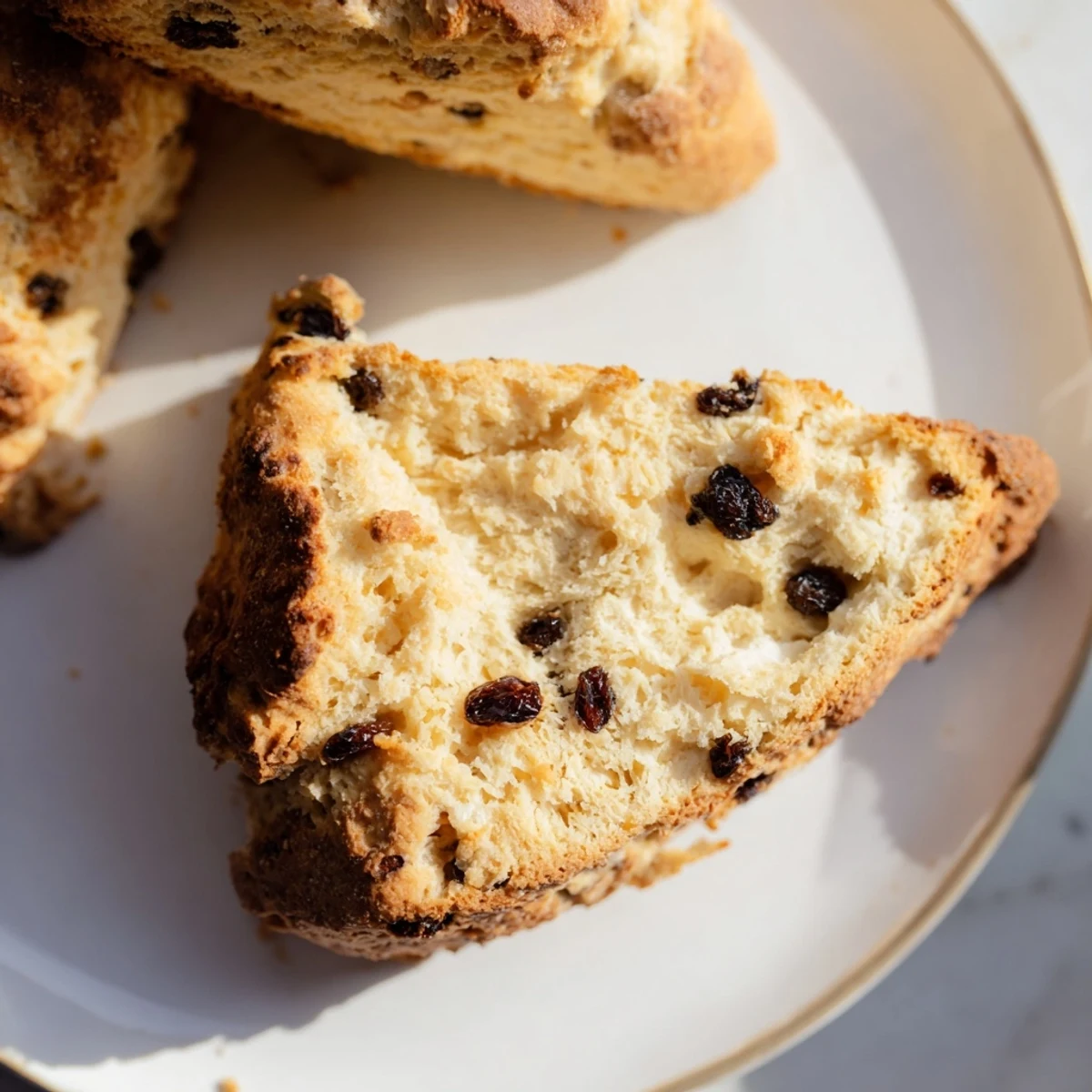
Warm scones straight from the oven need nothing more than a generous pat of salted butter melting into all those crevices. The contrast between the crisp exterior and tender interior is pure magic.
- Irish butter and good strawberry jam turn these into an elevated afternoon tea experience
- A slice of sharp cheddar and a dollop of whole grain mustard makes them surprisingly savory
- Clover honey drizzled over warm scones highlights their subtle sweetness beautifully
 Save to Pinterest
 These scones have become my go to gift for new neighbors and convalescing friends alike. Sometimes the simplest recipes carry the most warmth.
Recipe Questions & Answers
- → What makes these scones tender?
-
The combination of buttermilk and the right balance of baking soda and baking powder helps achieve a tender, soft crumb.
- → Can I substitute currants with other dried fruits?
-
Yes, dried raisins or chopped apricots work well as alternatives, adding different flavor notes.
- → How to achieve a golden crust on these scones?
-
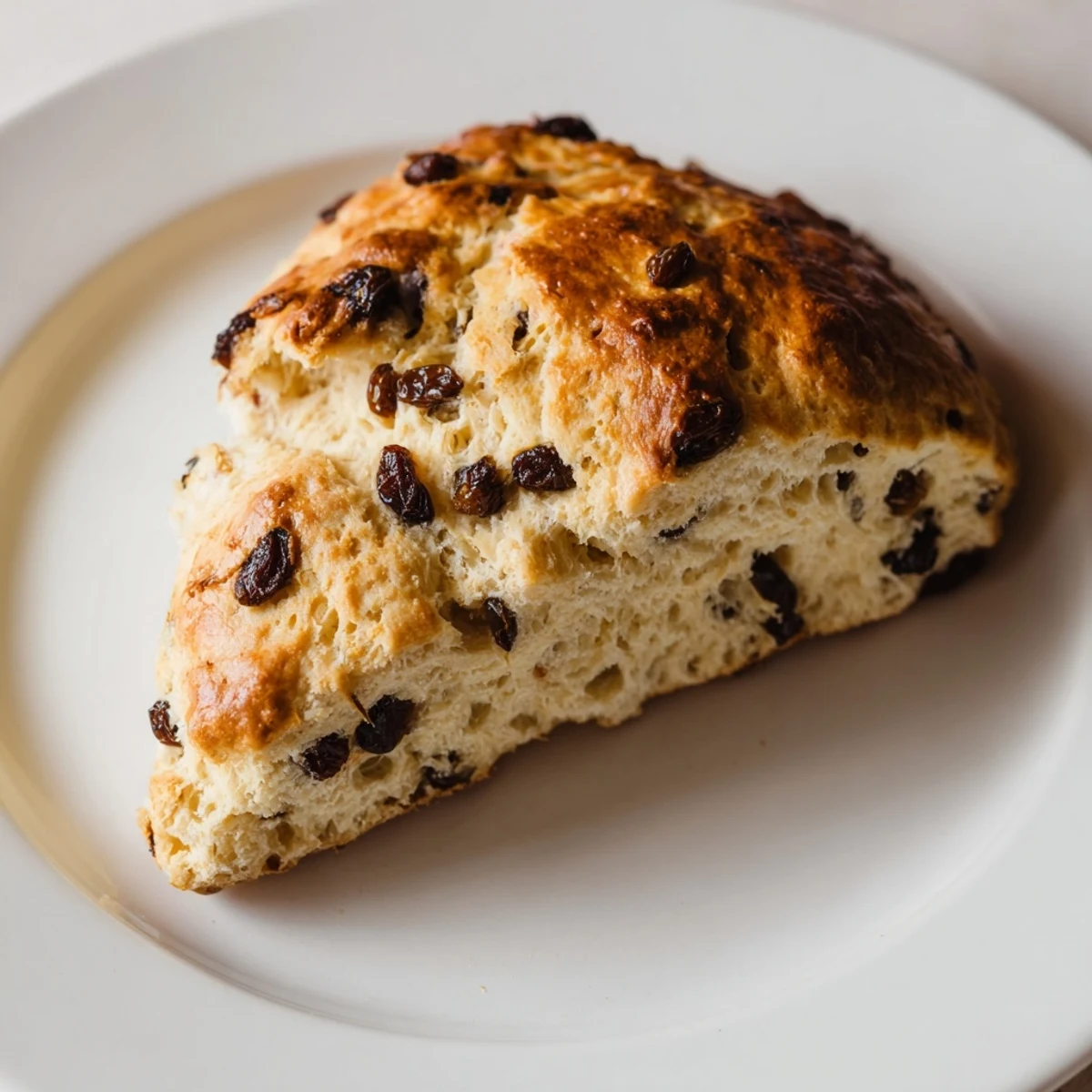
Brushing the tops with buttermilk before baking promotes a beautiful golden finish.
- → Is overmixing the dough a concern?
-
Yes, gently stirring until just combined helps keep the texture tender and flaky.
- → Can these scones be served warm or at room temperature?
-
They are delicious both warm and cooled, making them versatile for various serving occasions.