
 Save to Pinterest
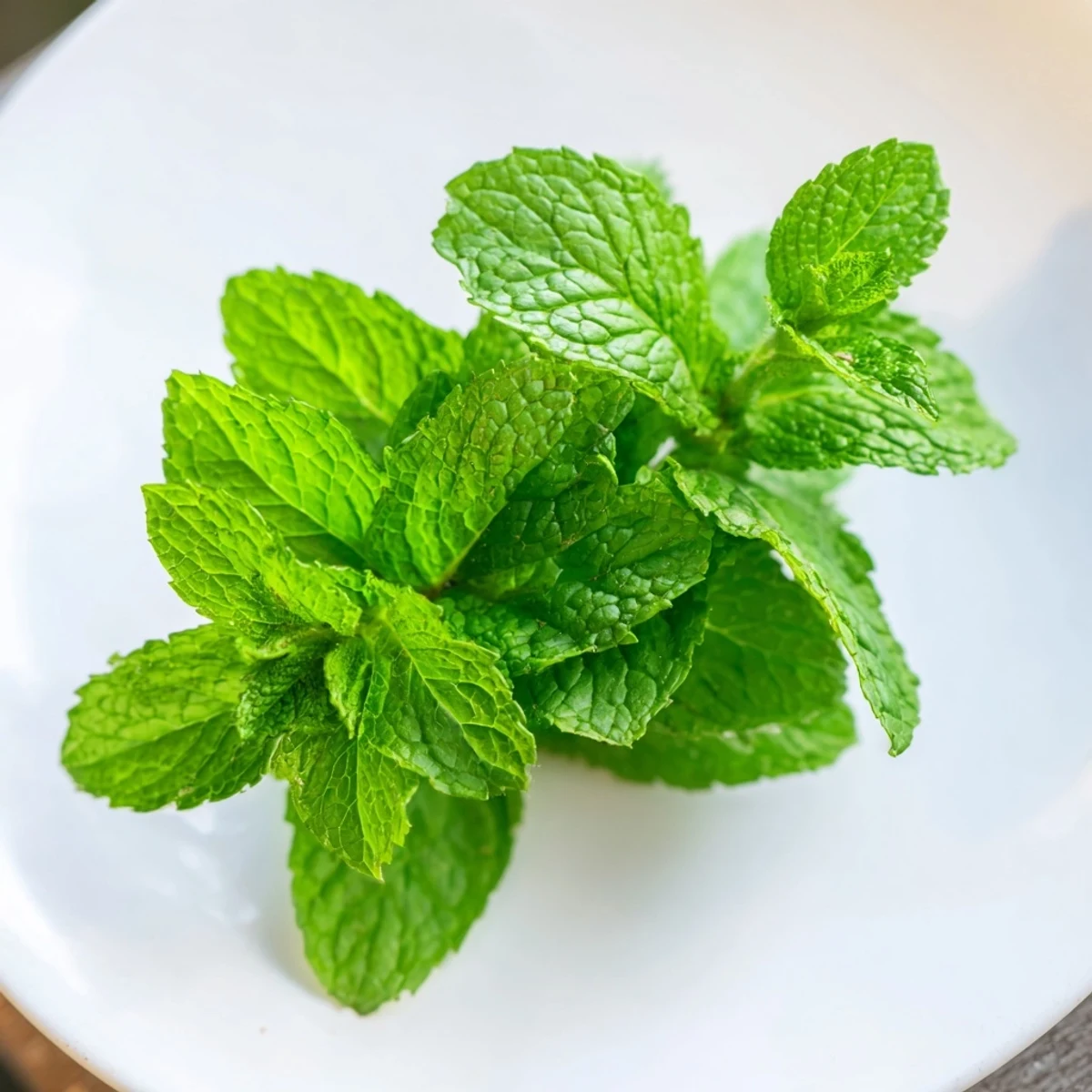
 Peppermint leaves offer a vibrant and refreshing flavor, perfect for enhancing teas, salads, desserts, and savory dishes. To prepare, rinse leaves under cold water, pat dry, and remove from stems as needed. Use them whole for garnishing or chop finely to infuse flavor. For optimal freshness, use immediately or store wrapped in a damp towel in the refrigerator up to five days. Naturally allergen-free and easy to handle, peppermint leaves add a cool, aromatic note to your culinary creations.
I still remember the first time I truly tasted fresh peppermint the way it was meant to be tasted. It was a summer afternoon at my grandmother's kitchen garden, where she grew herbs in weathered clay pots along the windowsill. She plucked a leaf, rubbed it between her fingers, and held it to my nose. That cool, bright aroma changed how I understood flavor forever. Now, every time I reach for fresh peppermint leaves, I'm transported back to that moment of discovery, to the realization that something so simple could be so transformative in the kitchen.
I learned the power of fresh peppermint when I served mojitos at a dinner party and watched my friends light up at that first sip. The difference between using dried mint and reaching for fresh leaves from the garden was night and day. That's when I understood that sometimes the smallest ingredient makes the biggest impression, and that having fresh herbs within reach changes how you cook entirely.
Ingredients
- Fresh peppermint leaves (as needed): The heart of this ingredient lies in its vibrancy, which only fresh leaves can deliver. Whether you're growing your own in a sunny windowsill or selecting the brightest bunch at the market, look for leaves that smell intensely aromatic when gently crushed. Buy only what you'll use within a few days, as the flavor fades quickly once harvested. If you can grow even a small pot on a sunny kitchen counter, you'll always have the freshest leaves at your fingertips, ready to transform any dish with that signature cool, bright taste.
Instructions
- Rinse with intention:
- Hold the peppermint leaves gently under cold running water, letting the water flow through them as if you're waking them up from their journey. Feel the coolness on your fingertips and notice how the aroma becomes even more pronounced when wet. This isn't just about removing dirt—it's about preparing the leaves to share their best flavor with you.
- Pat them dry completely:
- Spread the leaves on a clean kitchen towel and gently press another towel on top, absorbing the moisture without bruising the delicate foliage. Wet leaves will wilt faster and won't incorporate into recipes as beautifully, so take this moment to be thorough and kind to your herbs.
- Separate leaves from stems:
- Pinch the stem just below where the leaves begin and gently pull downward. The leaves should come away easily, leaving behind woody stems that can go into compost or a pot of simmering water for tea. It's a simple motion, but it's the difference between a pleasant texture and an unwelcome woody bite in your mouth.
- Prepare for your purpose:
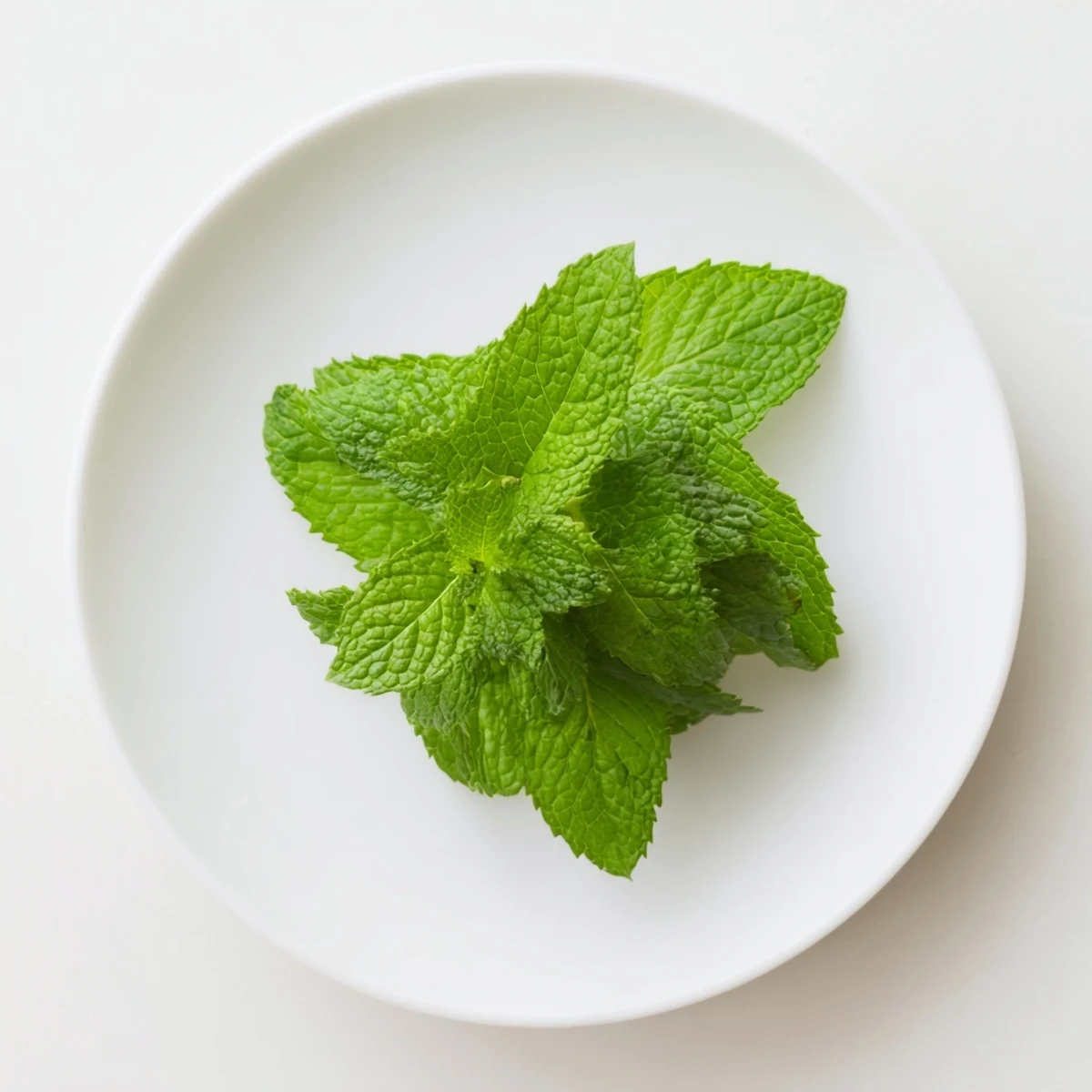
- Keep leaves whole if you're garnishing a plate or floating them in a drink, where their beauty can shine. Chop them finely with a sharp knife for salads and desserts, slicing just before using so the oils stay vibrant and potent. If you're making a mojito or muddled drink, hold back and don't crush too aggressively—bruise the leaves gently to release flavor without turning them into a dark, bitter mess.
 Save to Pinterest
 There was a moment, several years in, when I realized I'd stopped thinking of peppermint as just an herb and started seeing it as a conversation starter, a secret ingredient that made people pause mid-bite and ask, "What is that?" That's when I knew it had become more than just food—it had become a small joy I could give to people I cared about.
When Fresh Peppermint Shines Brightest
Fresh peppermint is at its absolute best in moments where it can be the star rather than a supporting player. A cup of hot water with nothing but fresh peppermint leaves and a squeeze of lemon becomes a moment of pure comfort. In fruit salads, those cool leaves cut through sweetness with sophistication. In desserts—whether it's chocolate tarts, frozen mousses, or simple fruit compotes—peppermint adds an unexpected brightness that makes people close their eyes with pleasure. And in savory dishes, a small handful of torn leaves scattered over roasted vegetables or lamb dishes brings an almost shocking freshness that elevates the entire plate.
Storage Secrets That Keep Peppermint Fresh
The moment you bring fresh peppermint home is when the clock starts ticking. Unlike other herbs that tolerate a bit of neglect, peppermint demands attention if you want to keep that brilliant flavor alive. Wrap the stems loosely in a slightly damp paper towel—not dripping wet, just damp enough to maintain humidity without inviting mold. Place them in a sealed container and tuck them into the coldest part of your refrigerator, ideally in the vegetable drawer where temperature stays most consistent. This method will keep your peppermint fresh and flavorful for up to five days, though I've found the first three days are when it's truly at its best. If you're thinking ahead, you can also freeze peppermint leaves in ice cube trays with a bit of water, creating little flavor bombs perfect for summer drinks.
A Dozen Ways to Use What You Have
Once you have fresh peppermint in your kitchen, the uses become endless and exciting. Muddle it into mojitos and other cocktails, steep it into simple syrups, or scatter it over dessert plates for that final touch of elegance. It brightens fruit salads, cools down spicy curries, and transforms a simple glass of water into something you actually want to drink. Layered into chocolate desserts, folded into whipped cream, or simply placed on top of soup for an unexpected pop of flavor and aroma—peppermint becomes that ingredient you reach for instinctively, knowing it will improve whatever you're making.
- Make peppermint water or lemonade by steeping fresh leaves in cold water overnight for a refreshing, delicate flavor
- Scatter torn leaves over chocolate desserts just before serving to add brightness and a professional finishing touch
- Keep a small bunch in your freezer for quick additions to smoothies, cocktails, or tea whenever you need that cool, aromatic boost
 Save to Pinterest
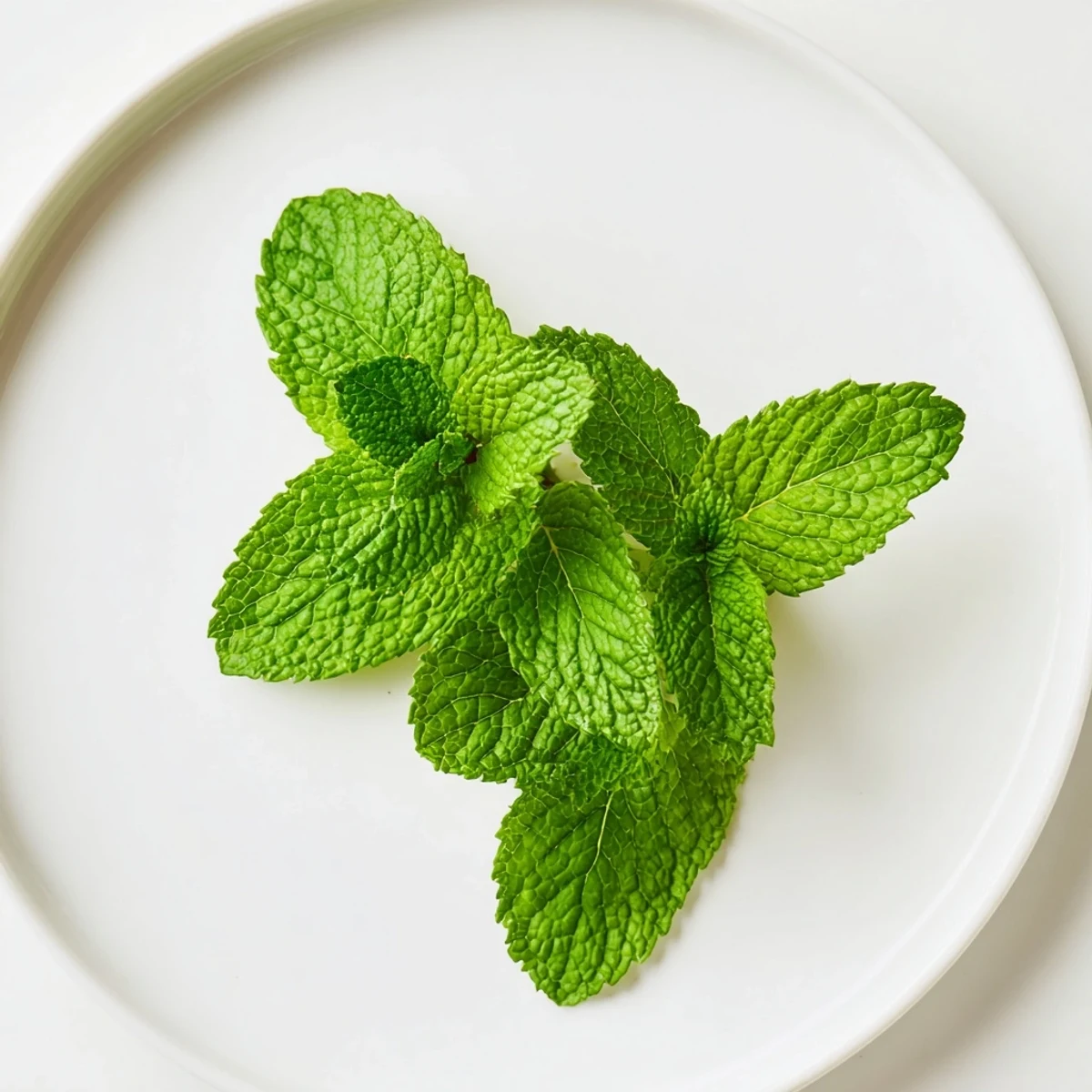
 Fresh peppermint is proof that sometimes the smallest gesture—a single leaf, a gentle brush of cool flavor—can completely change the experience of eating. Keep it close, use it boldly, and watch how it transforms your kitchen from ordinary to something people will remember.
Recipe Questions & Answers
- → How should peppermint leaves be prepared before use?
-
Rinse the leaves thoroughly under cold water to remove dirt, then pat dry with a clean towel before removing from stems.
- → What dishes benefit from peppermint leaves?
-
Peppermint leaves enhance teas, salads, cocktails, fruit salads, sauces, and desserts with a fresh, aromatic flavor.
- → How can peppermint leaves be stored for freshness?
-
Wrap the leaves in a damp paper towel and refrigerate in a sealed container for up to five days to maintain freshness.
- → Can peppermint leaves be used whole or chopped?
-
Both are suitable; use whole leaves for garnishing or chop finely to distribute flavor in dishes and drinks.
- → Are peppermint leaves safe for all diets?
-
Yes, peppermint leaves are vegan, gluten-free, low carb, and naturally free from common allergens.