
 Save to Pinterest
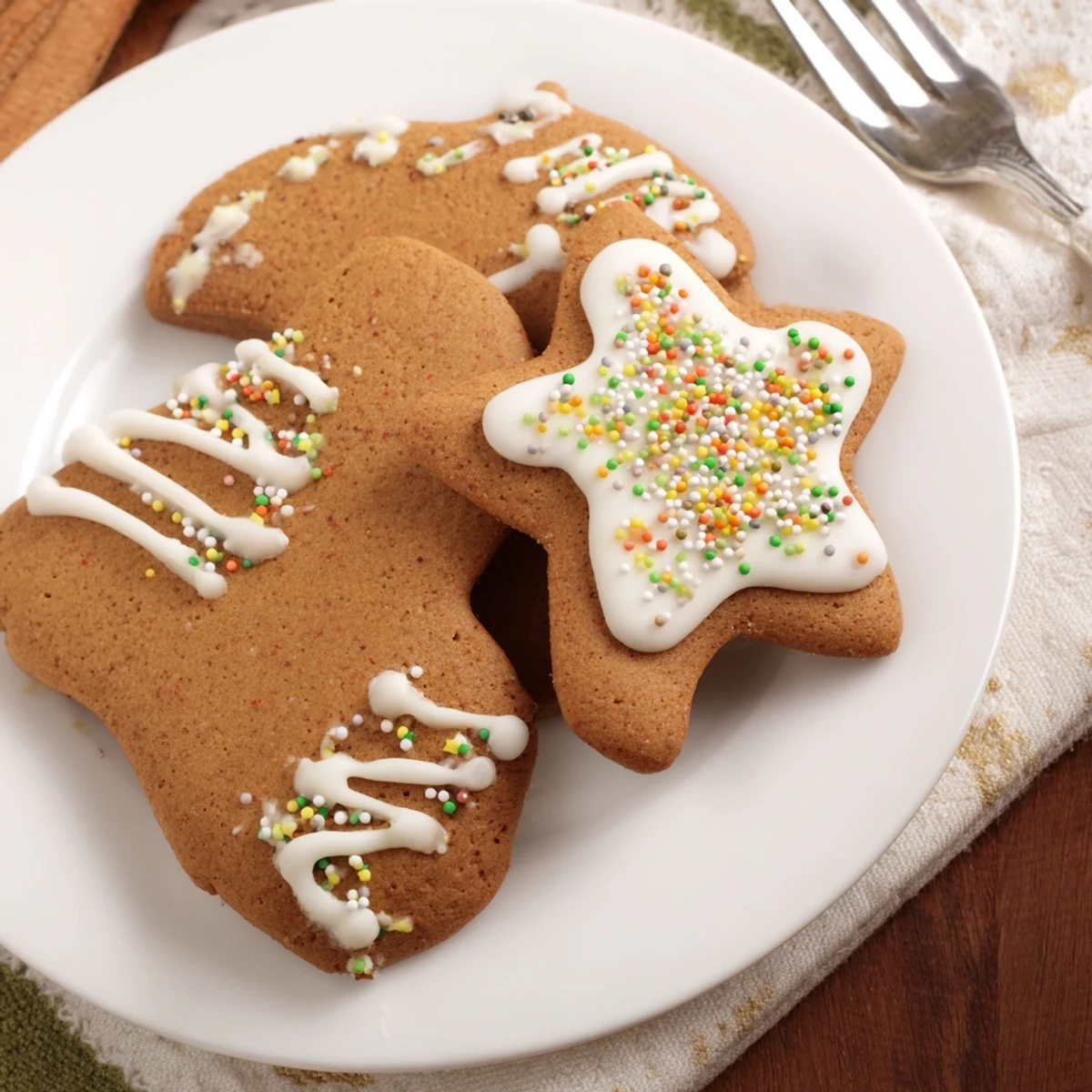
 Create delightful soft gingerbread cookies infused with warming spices like ginger, cinnamon, cloves, and nutmeg. This classic dough rolls out beautifully for cutting festive shapes and holds its shape perfectly during baking. The spiced cookies develop slightly crisp edges while remaining tender inside—ideal for decorating with royal icing and colorful sprinkles. The dough requires chilling for easy handling, and you can prepare it ahead for convenient holiday baking sessions.
Last December, my kitchen smelled like a spice shop explosion, and I honestly didn't mind one bit. My nephew had insisted we make gingerbread men for his school's winter celebration, though his attention span lasted about three minutes into the rolling process. I ended up cutting out thirty little figures while he danced around to holiday music, eating the scraps.
That afternoon, we ended up with a army of slightly lopsided gingerbread people, some missing limbs, others with truly alarming icing expressions. But the best part wasn't how they looked, it was how my nephew proudly told everyone about 'his' cookies. Sometimes the imperfect ones taste the best anyway, especially when there's a story attached.
Ingredients
- 3 cups all-purpose flour: The foundation, though I've learned measuring by weight gives more consistent results
- 3/4 tsp baking soda: Helps these puff just enough to stay soft without spreading into blobs
- 1/2 tsp baking powder: Works with the soda for that perfect tender texture
- 1 tbsp ground ginger: Don't skimp here, this is what makes gingerbread actually taste like gingerbread
- 1 tbsp ground cinnamon: Warmth that balances the sharpness of the ginger
- 1/2 tsp ground cloves: Just enough depth without making the cookies taste medicinal
- 1/2 tsp ground nutmeg: A subtle background note that makes people wonder what your secret is
- 1/4 tsp salt: Essential for waking up all those spices
- 3/4 cup unsalted butter: Room temperature is non-negotiable, cold butter makes for tough cookies
- 3/4 cup dark brown sugar: The molasses in dark brown adds extra depth and keeps things chewy
- 1 large egg: Bind everything together while adding structure
- 1/2 cup unsulphured molasses: The heart of gingerbread, spring for the good stuff
- 2 tsp pure vanilla extract: Rounds out all those bold spices
- 2 cups powdered sugar: For the icing that makes these decorations-worthy
- 2–3 tbsp milk or water: Start with less, you can always add more
- Sprinkles and decorations: Whatever makes you happy, honestly
Instructions
- Whisk your dry ingredients:
- In a medium bowl, combine the flour, baking soda, baking powder, ginger, cinnamon, cloves, nutmeg, and salt until everything's evenly distributed. This step seems tedious, but it prevents having to overmix later, which is what makes cookies tough.
- Cream the butter and sugar:
- Beat the softened butter and brown sugar together for a full two minutes, you want it pale and fluffy. The air you incorporate here literally translates to lighter cookies.
- Add the wet ingredients:
- Mix in the egg, molasses, and vanilla until everything's combined. The mixture might look slightly separated, that's completely normal and will come together once the flour hits it.
- Combine everything:
- Gradually add those dry ingredients on low speed, stopping as soon as you no longer see streaks of flour. Overmixing activates gluten, and nobody wants tough, bread-like gingerbread.
- Chill the dough:
- Divide the dough into two disks, wrap them tightly, and refrigerate for at least an hour. This relaxes the gluten and firms up the butter, making the dough manageable instead of a sticky disaster.
- Prep your workspace:
- Preheat that oven to 350°F and line your baking sheets with parchment. Trust me on the parchment, these cookies have enough sugar to stick and cleaning burnt sugar off baking sheets is nobody's idea of fun.
- Roll it out:
- On a floured surface, roll one portion to about 1/4 inch thickness. If it's too thin, they'll burn, too thick and they'll be doughy in the middle. This Goldilocks zone is where the magic happens.
- Cut and place:
- Cut out your shapes and arrange them about an inch apart on the prepared sheets. They don't spread much, but giving them room means you won't accidentally fuse gingerbread people together.
- Bake to perfection:
- Pop them in for 8 to 10 minutes, watching for that slight golden edge. They'll look underbaked in the center, but that's exactly how they should be when they come out.
- Cool completely:
- Let them sit on the pan for just two minutes, then move them to a wire rack. If they cool too long on the hot pan, they keep cooking and lose that perfect soft texture.
- Make the icing:
- Stir the powdered sugar with your liquid until it's smooth and thick enough to hold its shape. You want it to sit on top of the cookies, not soak in like glaze.
- Decorate your heart out:
- Once the cookies are completely cool, go to town with icing and sprinkles. Warm cookies will melt your decorations right off, and nobody wants sad, runny gingerbread faces.
 Save to Pinterest
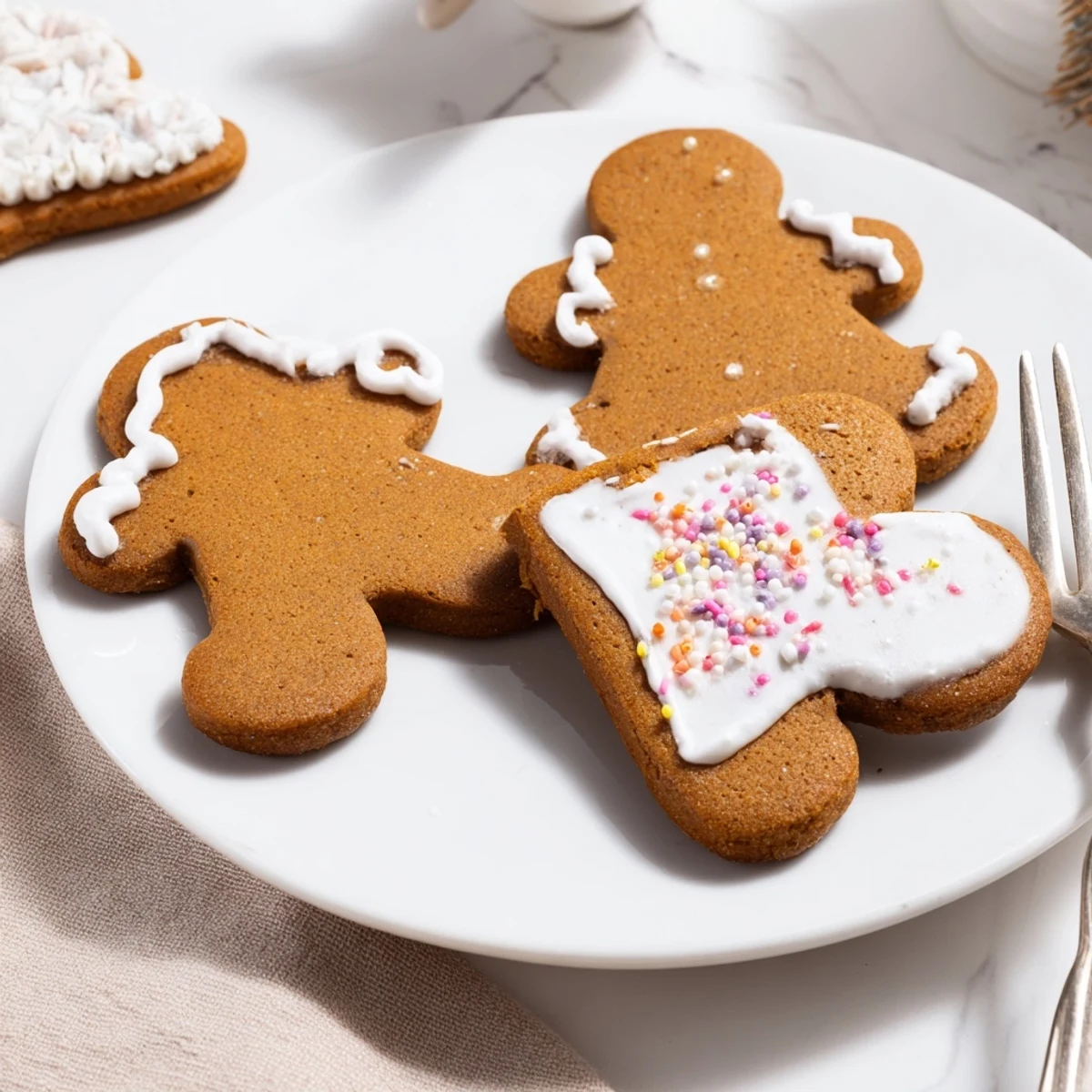
 Those slightly wonky gingerbread people from that December afternoon disappeared faster than the perfectly shaped ones I made later. Apparently, personality counts for something, even in cookie form.
Getting The Right Dough Consistency
After making these dozens of times, I've learned that humidity affects this dough more than almost any other recipe. On rainy days, I need a touch more flour, and in dry winter weather, the dough might need an extra teaspoon of liquid. Trust your hands over the exact measurements, they know better.
Rolling Without The Stress
Here's a game changer: roll the dough between two sheets of parchment instead of on a floured counter. No sticking, no overflouring tough cookies, and you can peel off the top parchment, cut your shapes, and slide the whole thing onto your baking sheet. The scraps can be pressed together and rerolled without getting tough.
Storage And Make-Ahead Tips
The dough balls freeze beautifully for up to three months, just thaw overnight in the fridge before rolling. I actually prefer making the dough a day ahead, the spices have time to mingle and develop a deeper flavor that fresh dough can't match.
- Store iced cookies in single layers between parchment paper, otherwise they stick together tragically
- Undecorated baked cookies freeze well for a month, ice them after thawing for best results
- If the icing gets too thick, add liquid literally drop by drop, it goes from perfect to unworkable fast
 Save to Pinterest
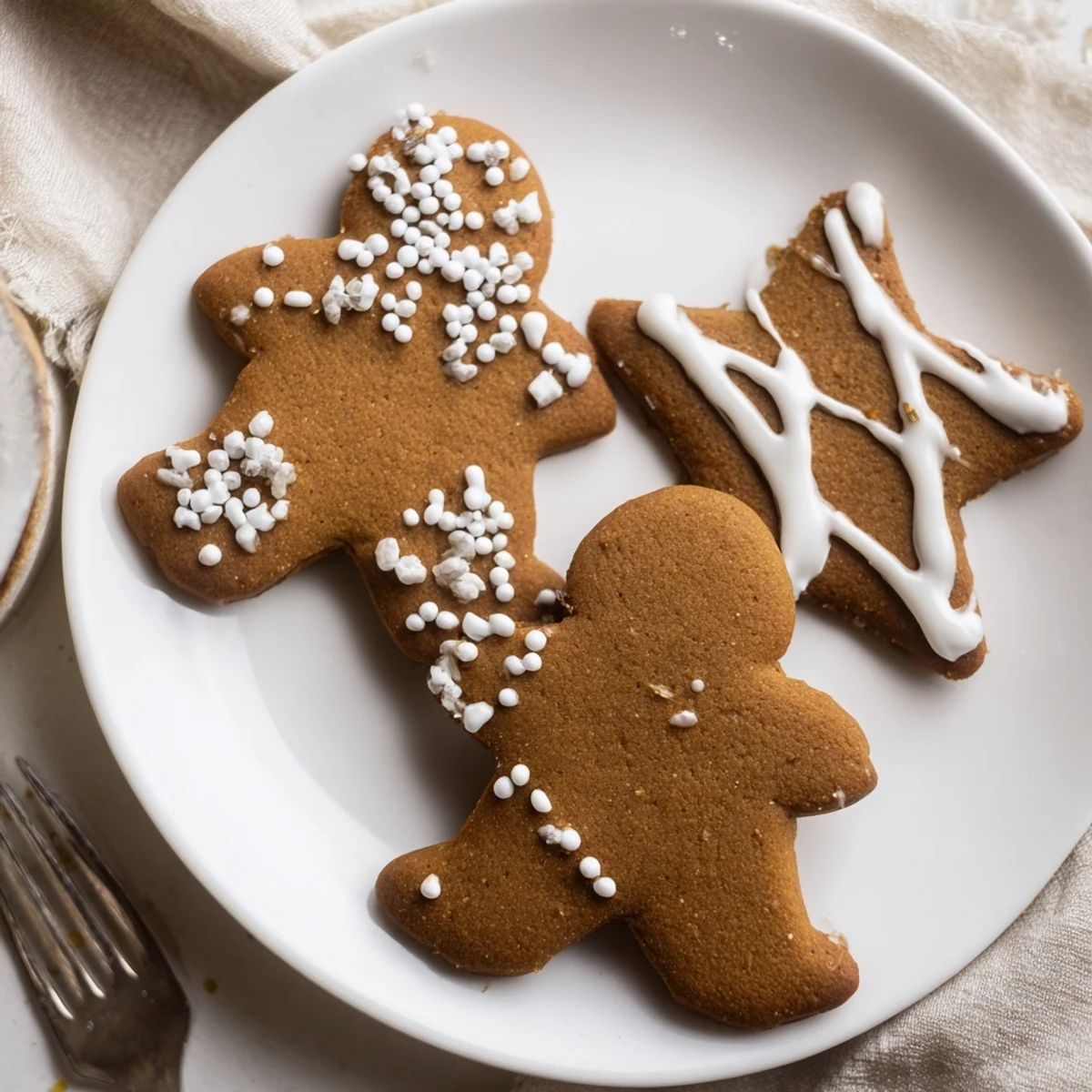
 Whether they're perfectly shaped or adorably lopsided, these gingerbread cookies carry more than just flavor, they carry memories. Happy baking, and don't worry about making them perfect, perfectly imperfect is way more fun anyway.
Recipe Questions & Answers
- → How long should I chill the gingerbread dough?
-
Refrigerate the dough for at least 1 hour before rolling. You can chill it up to 3 days or freeze for 3 months. Chilled dough is easier to roll and cut, helping cookies maintain their shape during baking.
- → Can I make these cookies ahead of time?
-
Absolutely. Prepare the dough and refrigerate for up to 3 days or freeze for 3 months. Baked cookies can be stored in an airtight container for up to 2 weeks. Undecorated cookies freeze beautifully for up to 3 months.
- → Why are my cookies spreading too much?
-
Warm dough causes spreading. Ensure your dough is thoroughly chilled before rolling and baking. Also, measure flour accurately—too little flour creates sticky dough that spreads. Roll to 1/4 inch thickness for best results.
- → What's the best icing for decorating?
-
Simple powdered sugar icing works wonderfully for basic decorating. For intricate designs, use royal icing which hardens completely. Both accept food coloring and hold sprinkles, pearls, and other decorations beautifully.
- → How do I know when the cookies are done?
-
Bake 8–10 minutes at 350°F. Cookies are done when edges just start turning golden. They'll firm as they cool. Avoid overbaking—slightly underbaked cookies remain wonderfully soft and tender.
- → Can I substitute the molasses?
-
Molasses provides the signature gingerbread flavor and color. Dark honey or maple syrup can work but will alter the taste. For authentic results, use unsulphured molasses as specified in the ingredients.