
 Save to Pinterest
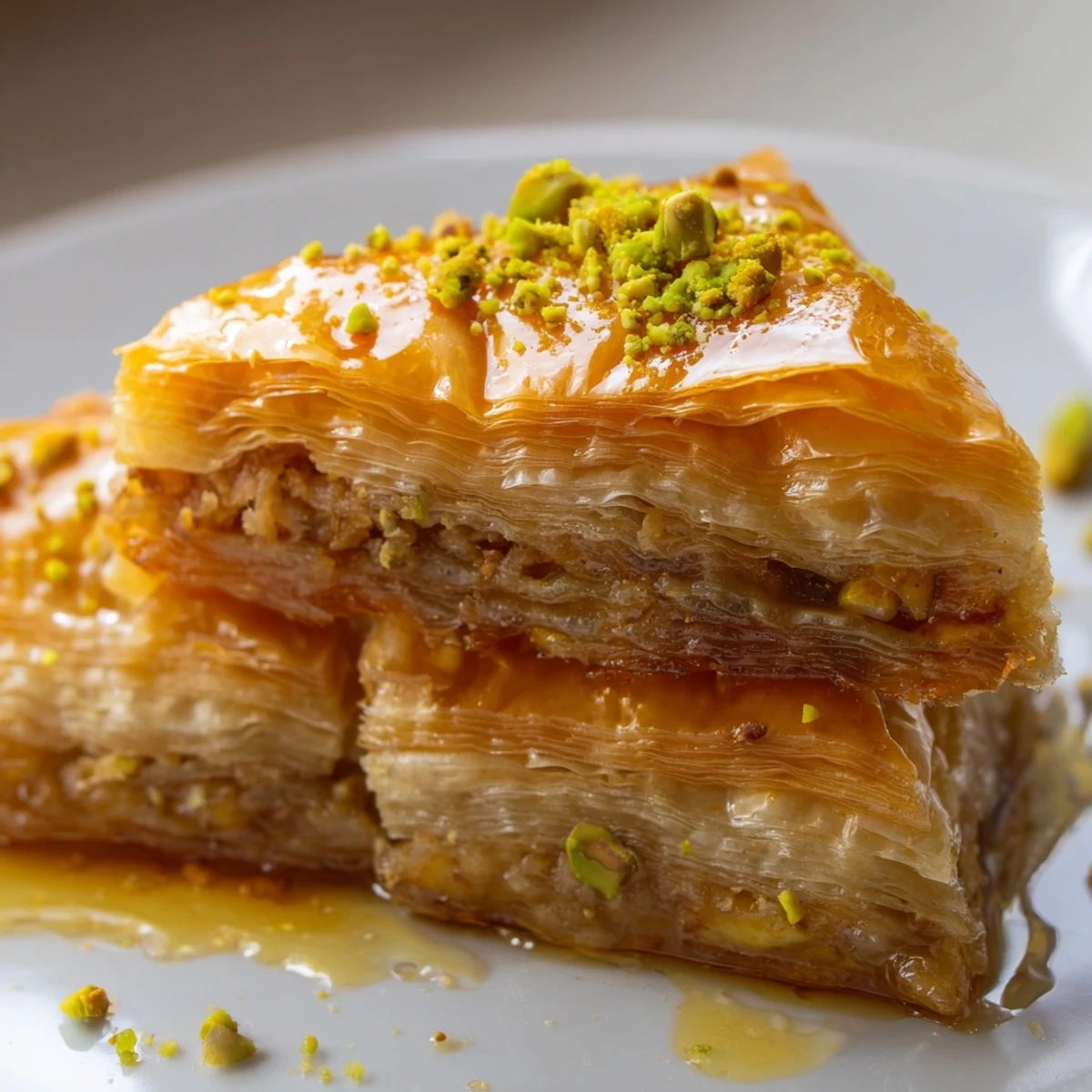
 This indulgent Bosnian dessert brings together delicate phyllo pastry layers with a generous spiced nut filling of walnuts, almonds, and pistachios. Each buttery sheet is carefully brushed and stacked, creating the signature flaky texture that makes Balkan pastries so beloved.
The hot sugar-honey syrup infused with lemon and rose water gets poured over freshly baked layers, ensuring every bite absorbs that perfect sweetness. Making it a day ahead allows flavors to deepen and the syrup to fully penetrate all those crispy layers.
The first time I watched my neighbor Alma make baklava, I was mesmerized by how she moved with the phyllo sheets like she was handling silk fabric. Her kitchen smelled of butter and toasted walnuts, and she kept humming something that sounded like a lullaby while brushing each layer so gently I thought she might be putting the dough to sleep. When she poured that bubbling syrup over the golden pastry and it made that satisfying hiss sound, I knew I had to learn this.
I made this for my fathers birthday last autumn and watched him sneak back to the kitchen three times for just one more diamond shaped piece. The syrup had done its work overnight, turning each layer into something that dissolved on the tongue while still holding onto that satisfying crunch. He told me it tasted exactly like the baklava hed eaten years ago in Sarajevo, which might be the best compliment Ive ever received in my kitchen.
Ingredients
- 500 g phyllo dough: Keep it covered with a damp cloth while you work because dried out sheets tear and nobody has time for that frustration
- 250 g walnuts, 100 g almonds, 100 g pistachios: The trio creates depth and warmth, pulse them in short bursts so they stay textured instead of turning into nut butter
- 100 g sugar: This sweetens the filling just enough to balance the syrup later
- 1 tsp ground cinnamon, 1/4 tsp ground cloves: Warm spices that make the house smell like comfort and celebration
- 250 g unsalted butter, melted: Brush every single layer because butter is what creates those flaky, separate sheets we love
- 400 g sugar, 250 ml water, 100 ml honey: The syrup that transforms crisp pastry into something magical and tender
- 1/2 lemon, juiced: Cuts through the sweetness so it never becomes cloying
- 1 tbsp rose water or orange blossom water: Optional but absolutely recommended for that authentic floral finish
Instructions
- Get your station ready:
- Preheat oven to 180°C (350°F) and butter your 23x33 cm pan. Clear your counter because you need uninterrupted space for the phyllo dance.
- Mix the filling:
- Combine all those beautiful chopped nuts with sugar, cinnamon, and cloves in a bowl.
- Build the foundation:
- Lay down 6 to 8 buttered sheets of phyllo, brushing each one so lightly but thoroughly. Think kindness, not heavy handedness.
- Add the first nut layer:
- Sprinkle one third of your filling evenly across the buttered sheets, reaching into all the corners.
- Continue building:
- Add 4 or 5 more buttered sheets, then another third of nuts. Repeat again with another buttered layer and the remaining filling.
- Finish strong:
- Top with remaining phyllo sheets, buttering every single one including the very top layer which should glisten.
- Score before baking:
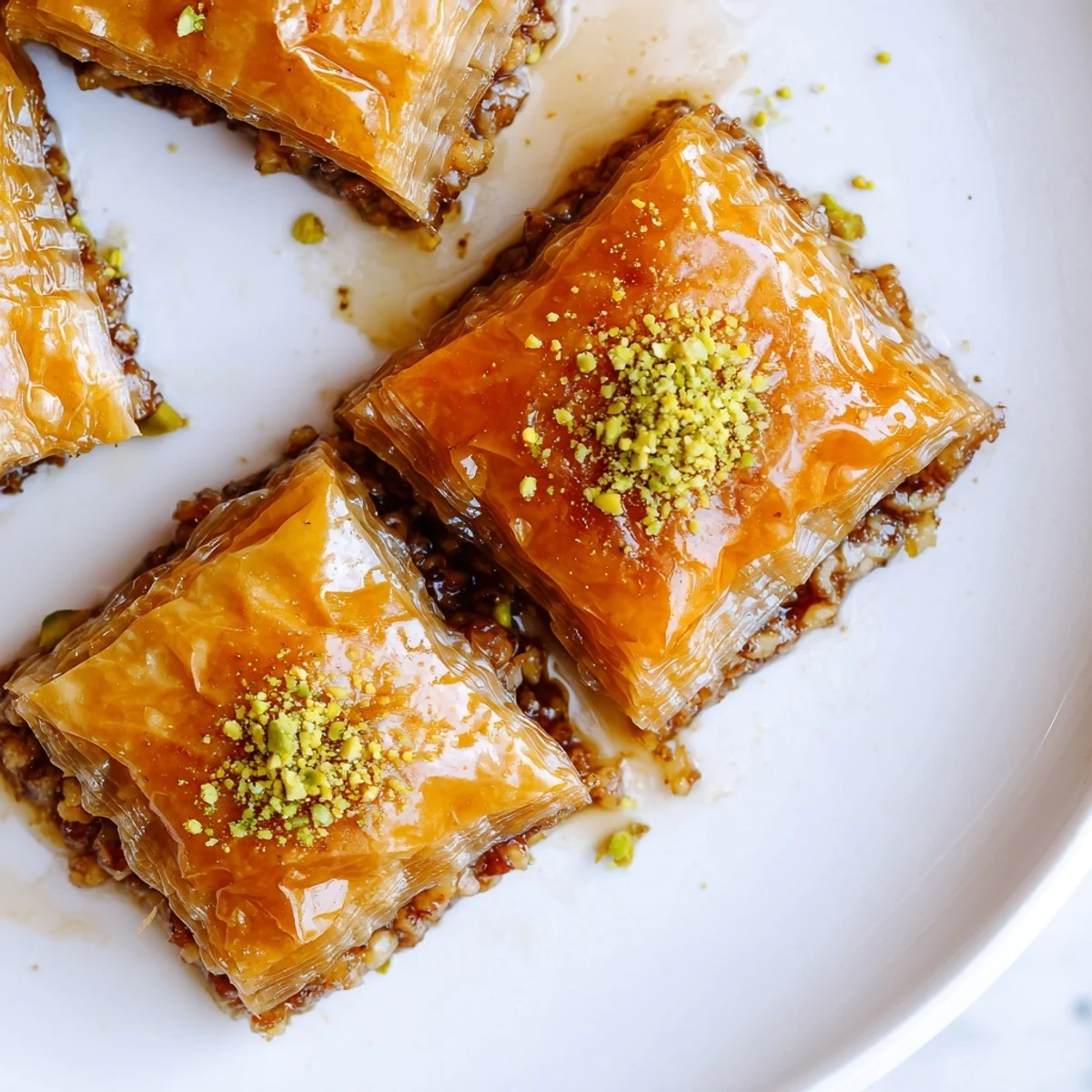
- Use your sharpest knife to cut diamonds or squares all the way through. This matters because cutting hot pastry makes a mess and the syrup needs those pathways.
- Bake until golden:
- 35 to 40 minutes at 180°C until everything smells toasted and looks like edible treasure.
- Make the syrup:
- While baklava bakes, boil sugar, water, and lemon juice for 8 to 10 minutes. Stir in honey and rose water off the heat.
- The magic moment:
- Pour hot syrup over hot baklava and listen to it sizzle. Let it cool completely so every layer drinks in the sweetness.
 Save to Pinterest
 This recipe taught me patience in ways nothing else has. There was a Sunday afternoon when I rushed through the layering and ended up with soggy pockets where the butter pooled, and I learned that good things really do come to those who take their time. Now whenever I smell cinnamon and butter together, Im back in that kitchen learning that some recipes reward attention more than anything else.
Working With Phyllo
Phyllo can feel intimidating with its paper thin sheets that seem determined to tear at the slightest provocation. Keep it covered with a slightly damp towel while you work, and if a sheet rips, just patch it and keep going because the butter and layers will hide all your sins. The more you handle phyllo, the more you develop this gentle touch that feels less like cooking and more like handling something fragile and precious.
The Syrup Science
That hissing sound when syrup meets hot pastry is actually steam escaping, and its exactly what creates the signature texture contrast between crisp edges and tender centers. The lemon juice prevents the sugar from recrystallizing and keeps everything flowing smoothly. If your syrup thickens too much while cooling, just warm it slightly before pouring because you want it liquid enough to reach every single layer.
Serving And Storage
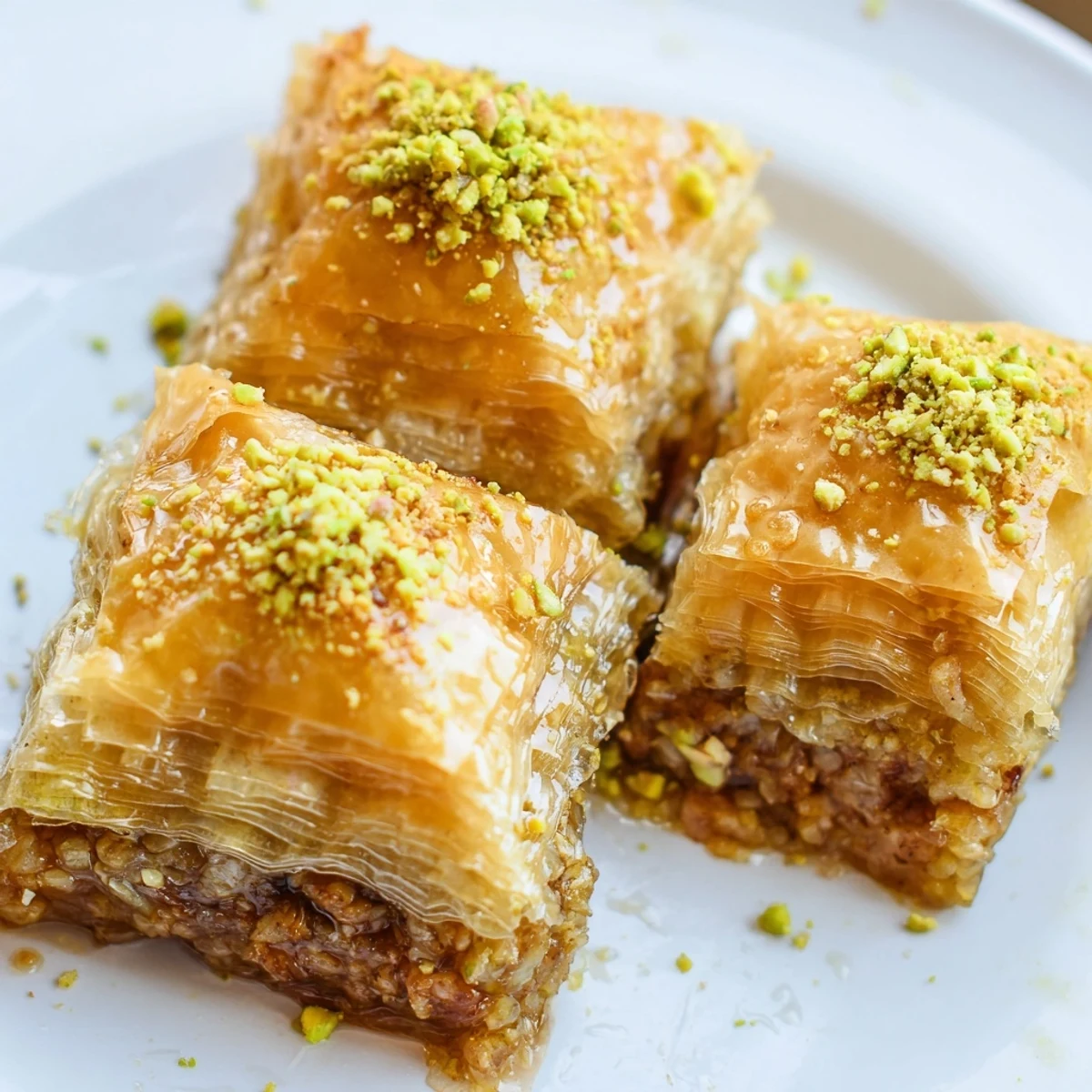
Baklava actually improves overnight as the syrup works its way through every layer and the flavors marry together. Serve it at room temperature with tiny cups of strong coffee or tea, and watch how quickly people start calculating how many pieces they can reasonably take. Store it in an airtight container and it will happily keep for a week, though in my house it rarely lasts past day three.
- Use a sharp serrated knife for cleaner cuts through all those layers
- Let it rest at least 4 hours before serving, but overnight is better
- Freeze unbaked portions wrapped tightly if you want fresh baklava later
 Save to Pinterest
 There is something deeply satisfying about serving a dessert that looks so impressive but comes together with just patience and attention to detail. Your kitchen will smell incredible for days.
Recipe Questions & Answers
- → What makes Bosnian baklava different from other versions?
-
Bosnian baklava typically features thinner phyllo layers with a higher butter-to-nut ratio compared to Greek or Turkish variations. The syrup often includes honey and sometimes rose water for aromatic sweetness.
- → Can I prepare baklava in advance?
-
Absolutely. Baklava actually improves when made a day ahead, allowing the syrup to fully penetrate all layers. Store in an airtight container at room temperature for up to a week.
- → Why must both the pastry and syrup be hot when combining?
-
Hot syrup poured over hot pastry creates the perfect absorption. The heat helps the syrup penetrate deeply into the layers without making the phyllo soggy, ensuring that signature crisp-yet-tender texture.
- → What nuts work best for traditional flavor?
-
Walnuts provide the classic base, while almonds add sweetness and pistachios contribute color and subtle flavor. You can adjust ratios or substitute hazelnuts based on preference and availability.
- → How do I prevent phyllo from drying out during assembly?
-
Keep unused phyllo covered with a damp towel while working. Work quickly but carefully, and always brush each layer immediately after placing it. Melted butter helps seal and protect the delicate sheets.
- → What's the best way to cut baklava before baking?
-
Use a sharp knife to cut through all layers before baking. Diamond shapes are traditional and elegant. Cut firmly but gently to avoid tearing the phyllo—the pieces will separate easily after baking and syrup soaking.