
 Save to Pinterest
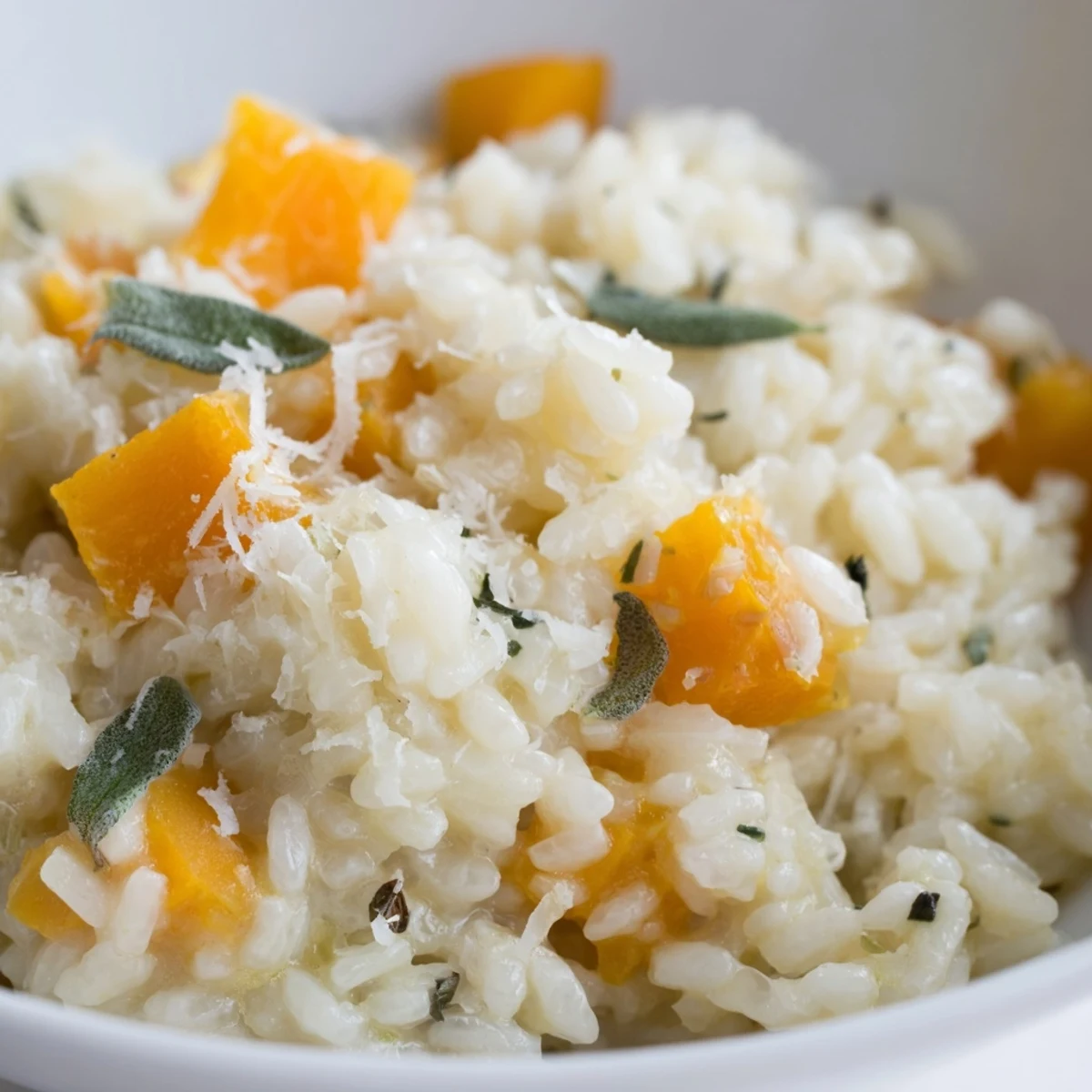
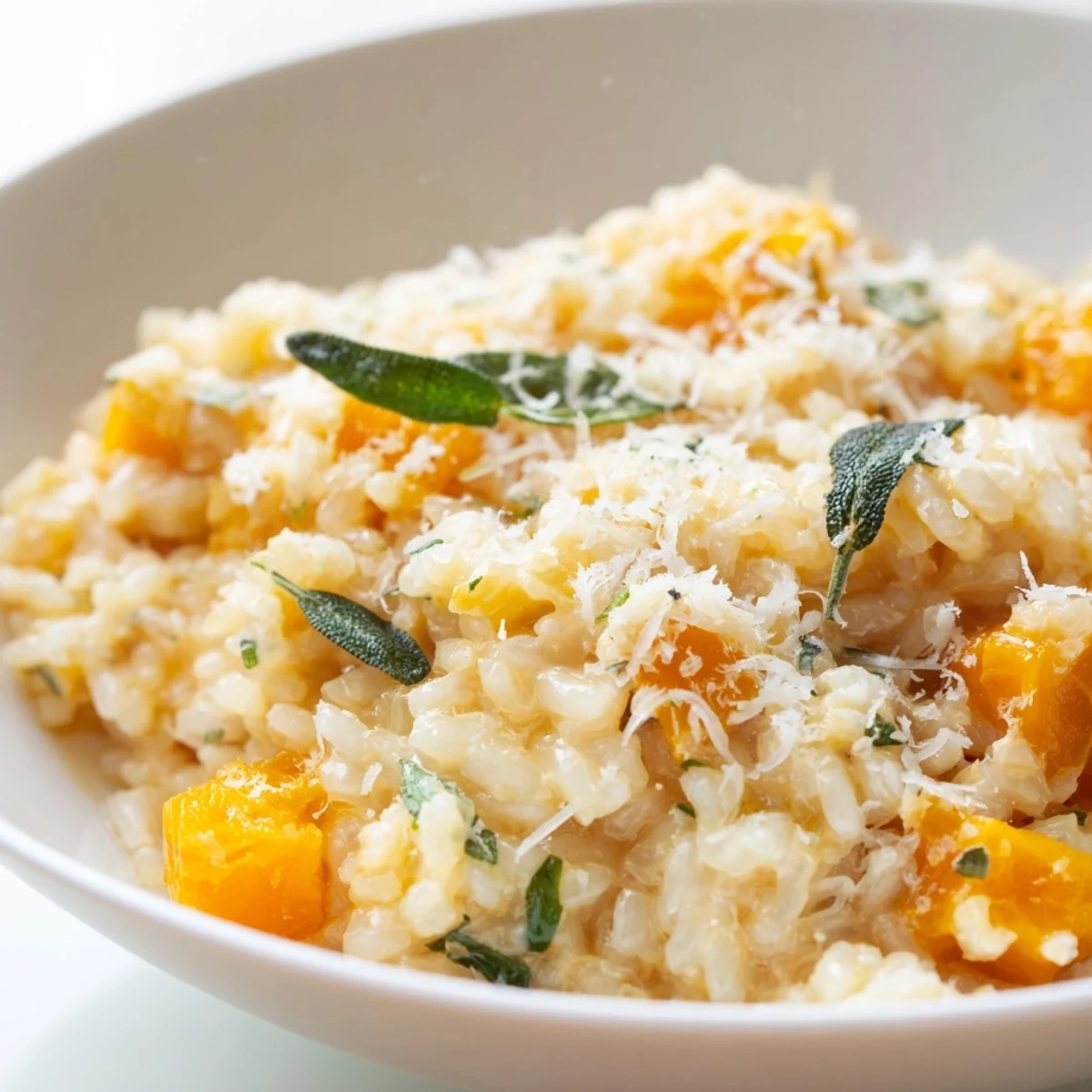
 This creamy Italian dish highlights sweet winter squash, aromatic sage, and rich Parmesan cheese, creating a comforting meal perfect for cold weather. The Arborio rice is gently toasted and slowly cooked with white wine and warm vegetable broth until tender and creamy. Butter and Parmesan enrich the texture, while fresh sage adds an herbaceous depth. Simple techniques bring out natural flavors in a satisfying main course ideal for vegetarian dining.
There's something about the way risotto demands your attention that makes you feel like you're actually cooking, not just following orders. One November evening, I found myself with a pile of butternut squash from the farmers market and a sudden craving for something warm that didn't involve turning on the oven. That's when I remembered risotto, and how the constant stirring—that meditative back-and-forth motion—somehow turns simple rice and broth into something that tastes like pure comfort.
I made this for my sister during her first winter living in a new city, when she was feeling homesick. She took one bite and got quiet in that way people do when food hits right, and then she asked for the recipe before she'd even finished her bowl. Watching her face soften around the warmth of the bowl made me realize why risotto matters—it's not just rice and broth, it's a moment of being held by something gentle.
Ingredients
- Winter squash (butternut or acorn): The flesh should be deep golden when cooked, and dicing it small means it breaks down into the risotto rather than sitting as separate chunks—this is the move that changes everything.
- Arborio rice: Those short, plump grains release starch as they cook, creating that creamy texture without cream (though cream helps). Do not use long-grain rice or you'll end up with something closer to pilaf.
- Fresh sage: It needs to be fresh—dried sage tastes like regret in this dish. Chop it fine so it distributes through every spoonful.
- Vegetable broth: Keep it warm in another pot the whole time; cold broth will shock the rice and mess with your timing.
- Dry white wine: Something you'd actually drink, not cooking wine from a mysterious bottle in the back of the cabinet.
- Parmesan cheese: Freshly grated, always. Pre-grated cheese has anti-caking agents that make it grainy and sad in risotto.
- Unsalted butter: It goes in twice—at the start for cooking and at the end for creaminess. This is intentional and worth it.
Instructions
- Start the base:
- Heat the olive oil and 2 tablespoons of butter in a large, heavy saucepan over medium heat. When the butter foams, add your finely chopped onion and let it soften for about 3 minutes—you're listening for it to lose its sharp bite.
- Wake up the aromatics:
- Stir in the garlic and sage and let them sizzle for just 1 minute until the kitchen smells like fall. Any longer and the garlic turns bitter, which is a small thing that ruins everything.
- Toast the squash:
- Add your diced squash, season generously with salt and pepper, and cook for 5 minutes with occasional stirring. The squash will start to soften at the edges but should still have some resistance—you're not cooking it through yet.
- Toast the rice:
- Pour in the Arborio rice and stir for 2 minutes. You'll hear it click softly against the pan as the grains toast and become slightly translucent at the edges. This step makes the rice taste nuttier and more substantial.
- Add the wine:
- Pour in your white wine and stir constantly until it's almost completely absorbed—you should be able to draw a line across the bottom of the pan with your spoon and see it briefly before the rice moves back. This takes maybe 2 minutes.
- Begin the gentle addition of broth:
- Start ladling in the warm broth, one ladle at a time, stirring frequently. Wait until most of the liquid is absorbed before adding the next ladle—this is where patience matters and where the magic happens. It should take about 20 to 25 minutes total, and your arm will get tired, which is exactly how you know it's working.
- Finish with butter and cheese:
- Once the rice is creamy and tender but still has a tiny bite to it, stop adding broth. Stir in the remaining butter, freshly grated Parmesan, and cream if you're using it, until everything is silky and flows slightly when you tilt the pan.
- Rest and serve:
- Remove from heat and let it sit for 2 minutes before serving—this allows the risotto to relax and reach its creamiest state. Finish with a few torn sage leaves and another shower of Parmesan.
 Save to Pinterest
 Someone once told me that risotto is what happens when you slow down, and I never forgot it. There's no rushing this dish, no multi-tasking your way through it—you're either in it or you're not, and that surrender is what makes it restorative in a way that has nothing to do with calories and everything to do with presence.
Why Sage Matters Here
Sage is peppery and slightly bitter, which sounds wrong next to sweet squash, but it's exactly that tension that keeps the dish from tasting cloying. The sage also bridges the flavors between the earthy squash and the nuttiness of the rice, so every spoonful tastes complete. If you can't find fresh sage, make a different risotto—dried sage will taste medicinal and the dish won't sing the way it should.
Variations That Actually Work
I've played with this recipe more times than I can count, and some iterations stick while others disappear. A handful of crispy sage leaves stirred in at the very end adds texture and a small jolt of freshness. Roasted squash chunks folded in at the end create pockets of sweetness instead of a smooth blend, which some people prefer. You can also add a pinch of nutmeg—just a whisper of it—which deepens the squash flavor without announcing itself.
Pairing and Serving Ideas
This risotto is wealthy enough to stand alone, but it also plays well with others. A simple green salad with lemon dressing cuts through the richness and refreshes your palate between bites. A crisp white wine like Pinot Grigio or Vermentino runs alongside it like a friend, and the acidity in the wine echoes the acidity you might miss without it. Leftovers can be pressed into a pan the next day and fried into risotto cakes, which is when this dish becomes breakfast.
- Serve immediately in warm bowls so the risotto stays creamy and doesn't set up as it cools.
- A drizzle of good olive oil and extra Parmesan at the table lets people finish their own bowl to taste.
- If you're cooking for someone with dietary restrictions, this adapts beautifully—vegan butter and nutritional yeast work if you need them.
 Save to Pinterest
 This risotto is for the nights when you need something that tastes like it took hours but only took your presence and attention. Make it and you'll understand why people come back to risotto again and again.
Recipe Questions & Answers
- → What type of squash works best?
-
Winter varieties like butternut or acorn squash provide sweetness and hold texture well in the dish.
- → Can I substitute Arborio rice?
-
Arborio is ideal for creaminess, but Carnaroli or Vialone Nano rice are good alternatives for similar texture.
- → Is the white wine necessary?
-
White wine adds acidity and depth, but you can replace it with extra broth if avoiding alcohol.
- → How is the sage best prepared?
-
Fresh sage leaves are finely chopped and sautéed early to release flavor without overpowering the dish.
- → Can this dish be made vegan?
-
Yes, by swapping butter for vegan alternatives, Parmesan for nutritional yeast, and omitting cream.