
 Save to Pinterest
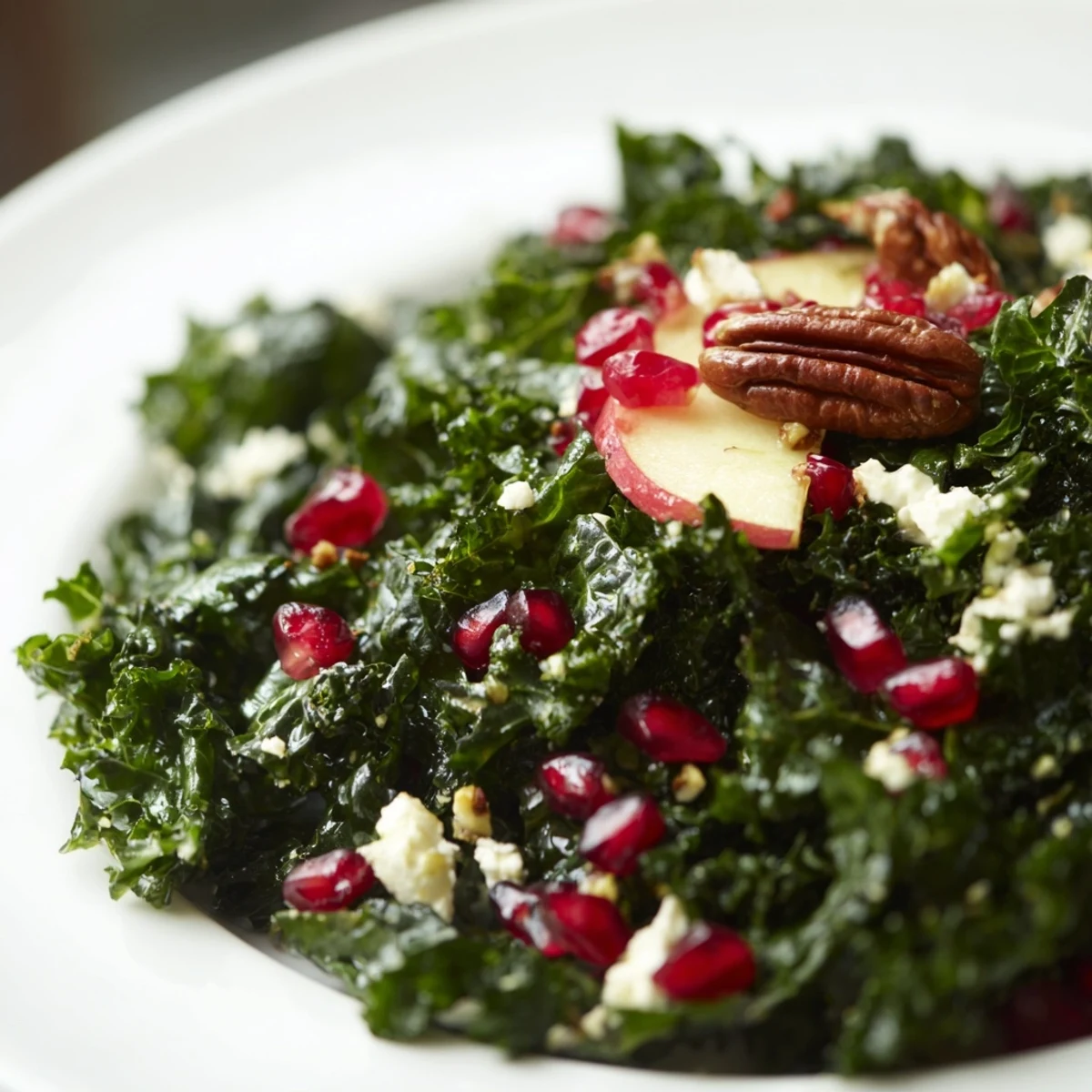
 This winter salad highlights nutrient-packed kale combined with sweet pomegranate seeds and crunchy pecans. The dressing blends olive oil, fresh lemon, and orange juices with a touch of honey and Dijon for a bright, balanced flavor. Optional feta adds creaminess, while apple slices bring fresh sweetness. The salad requires minimal prep and no cooking, making it ideal for a quick, healthy lunch or vibrant side dish during cold months.
There's something about winter that makes me crave salads that actually taste alive—not the sad, sad greens you find wilting in a takeout box. A friend brought this kale salad to a holiday potluck years ago, and I watched people go back for thirds, which seemed impossible for something so green. I've been making it ever since, and it's become my secret weapon for feeding people who swear they don't like salad.
I made this for my mom's book club, and the first thing someone asked was whether I'd bought it from a fancy restaurant. The confession that it took twenty minutes still surprised them more than the taste did. Now they all text me asking how I made it look so effortless.
Ingredients
- Curly kale (1 large bunch, about 8 cups): Remove the stems—they're tough and bitter—and chop the leaves into bite-sized pieces that won't get stuck in your teeth.
- Pomegranate seeds (1 cup from 1 medium pomegranate): These burst with tartness and add jewel-like color; if pomegranates aren't in season, frozen ones work just as well.
- Pecan halves (3/4 cup, lightly toasted): Toasting them for three minutes in a dry pan wakes up their flavor and keeps them crunchy even after dressing.
- Apple (1 medium, thinly sliced): Use a crisp variety like Honeycrisp or Granny Smith so the slices stay firm throughout mixing.
- Feta cheese (1/3 cup crumbled, optional): The salty, creamy edge it adds is worth the inclusion, but the salad remains delicious without it.
- Extra-virgin olive oil (3 tablespoons): This is where quality matters—a good oil makes the dressing taste intentional instead of bland.
- Fresh lemon juice (1 tablespoon): Always use fresh, never the bottled version, which tastes like regret.
- Fresh orange juice (1 tablespoon): This small addition gives the dressing warmth and prevents it from tasting one-note acidic.
- Honey or maple syrup (2 teaspoons): Just enough to balance the citrus without making the salad taste dessert-adjacent.
- Dijon mustard (1 teaspoon): The emulsifier that keeps the dressing from separating and adds a gentle depth.
- Salt and black pepper: Taste as you go; what tastes perfect in the dressing often needs adjustment once it coats the salad.
Instructions
- Massage the kale into submission:
- Place your chopped kale in a large bowl and sprinkle it generously with salt and a splash of olive oil. Use your hands to massage and rub the leaves for two to three minutes—you'll feel them soften under your palms, and they'll turn a darker, glossier green.
- Build the citrus dressing:
- Whisk together the olive oil, lemon juice, orange juice, honey, mustard, salt, and pepper in a small bowl until the dressing emulsifies and looks unified. Taste it straight from the whisk to make sure the brightness feels right.
- Compose your salad:
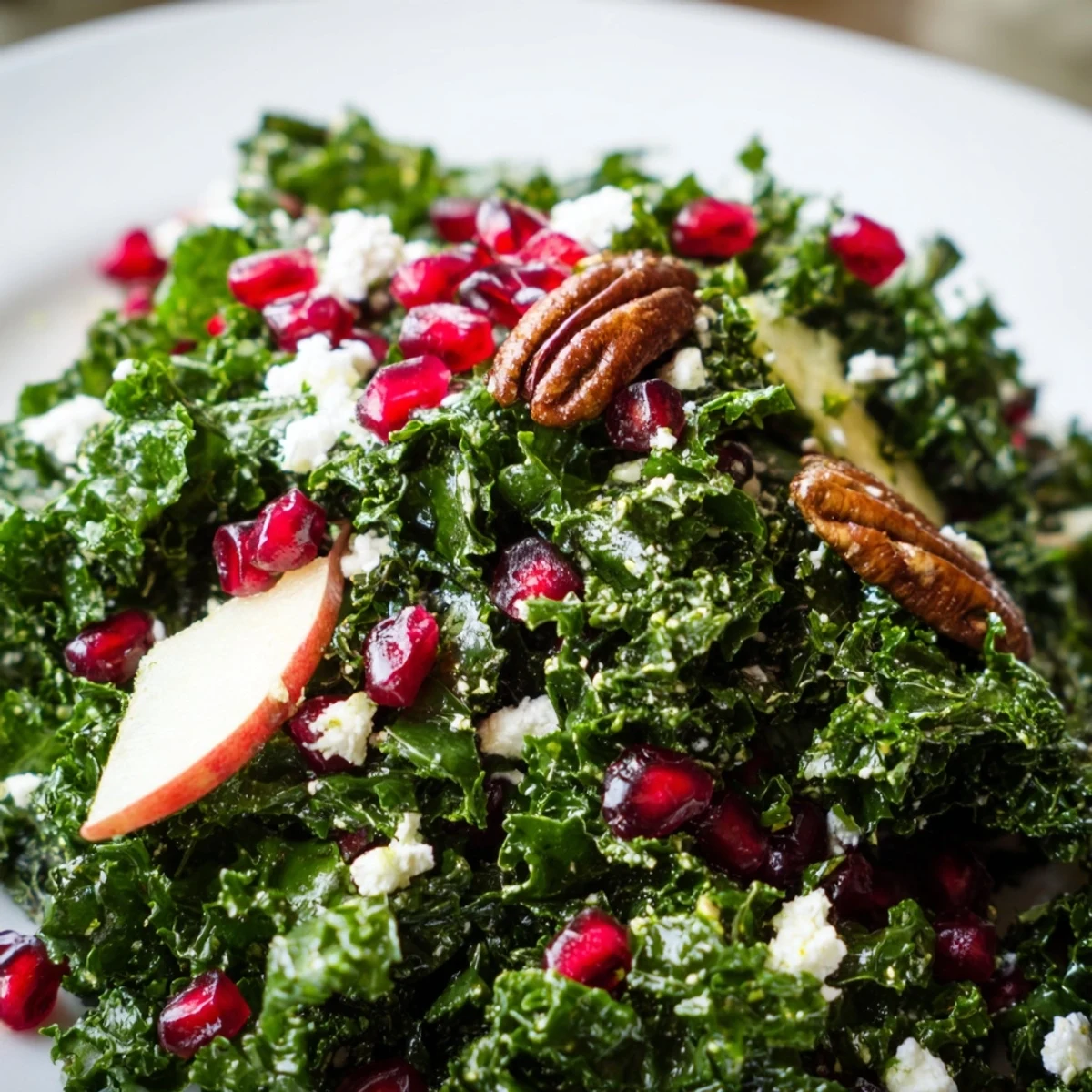
- Scatter the pomegranate seeds, toasted pecans, apple slices, and feta across your massaged kale, letting everything sit in loose piles for a moment so you can admire it.
- Dress and toss with intention:
- Drizzle the citrus dressing over everything and use two large spoons or salad servers to toss gently but thoroughly, making sure every piece of kale gets coated.
- Taste, adjust, and serve:
- Pinch a leaf and taste it—if it needs more salt, pepper, or brightness, add it now rather than regretting it on the plate. Serve right away while the pecans are still crunchy, or chill for up to an hour if you're planning ahead.
 Save to Pinterest
 The real magic happened when I realized this salad could sit on a table at a party and people would keep returning to it instead of letting it become the sad leftover. It stopped being just food and started being something I could offer that felt both nutritious and indulgent at the same time.
Why Kale Becomes Your Favorite Green
Kale has a reputation for being bitter and tough, but that's only true if you skip the massage step. When you work those leaves with your hands, you're breaking down their cell walls and coaxing out their natural sweetness—suddenly they taste tender, almost silky, instead of like you're eating a sweater. The darker it turns, the better it tastes, so don't stop early.
The Dressing Philosophy
Citrus dressings can turn thin and sharp if you're not careful, but the honey and mustard in this one do the real work of making everything feel balanced and rounded. The orange juice is the secret guest at the party—just enough to make people wonder what's making the lemon juice taste better than it should, without tasting obviously orange.
Variations and When to Make Them
This salad is flexible once you understand its backbone, so adjust it based on what you have and what season it is. In late fall, add roasted pumpkin seeds instead of pecans; in spring, swap the pomegranate for thinly shaved radishes and add fresh herbs like mint or tarragon. Goat cheese works beautifully instead of feta if you prefer something creamier and less salty.
- Roasted sunflower seeds work perfectly if tree nuts aren't an option or if you're feeding someone with an allergy.
- Warm the dressing slightly before tossing if your kale came straight from the refrigerator and feels too cold.
- Make the dressing while the kale is still being massaged, so everything comes together at the right moment.
 Save to Pinterest
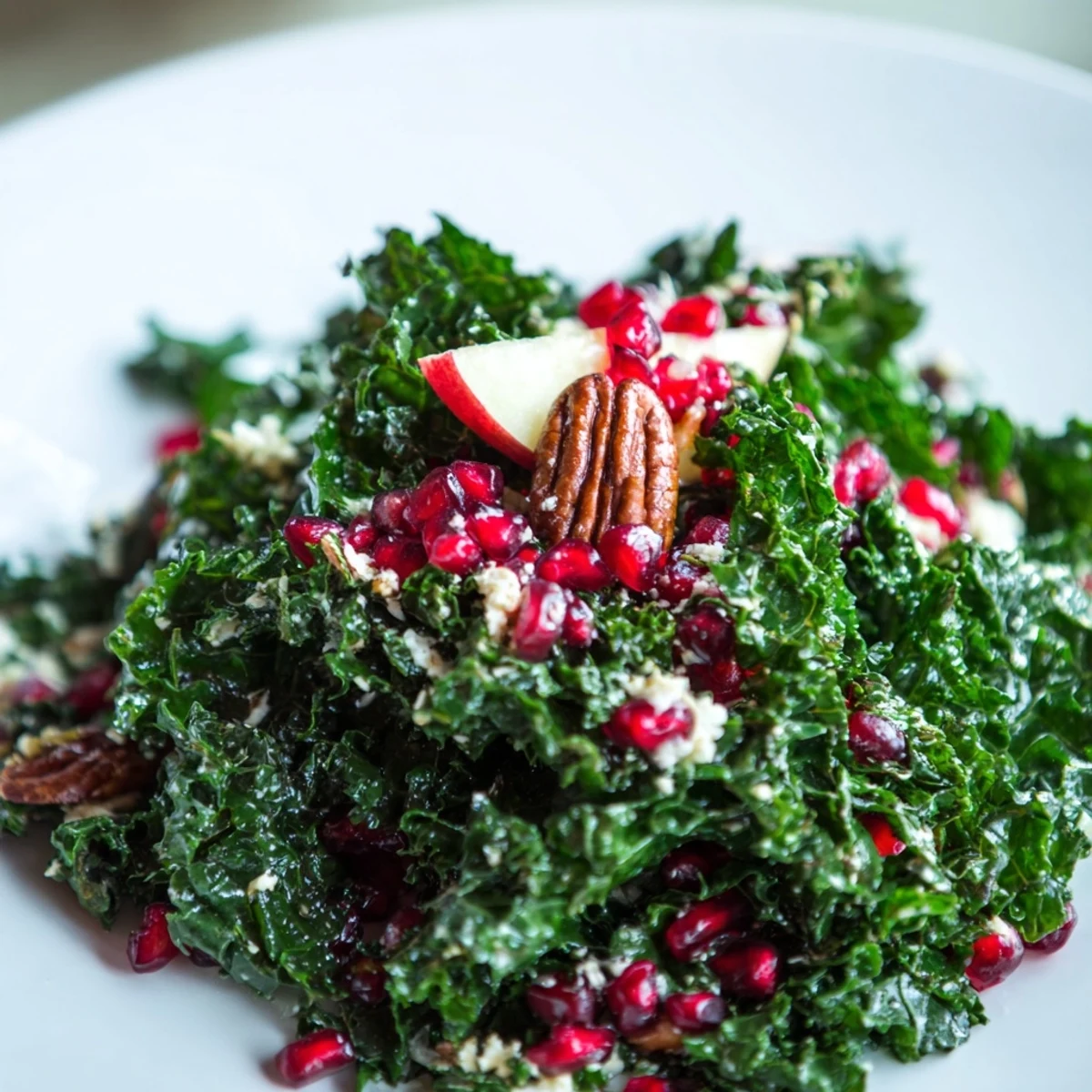
 This salad has somehow become the one people remember long after the meal ends, which surprises no one more than me. It's proof that simple ingredients and a little intention turn into something genuinely memorable.
Recipe Questions & Answers
- → How do I soften the kale leaves?
-
Massage chopped kale with a pinch of salt and olive oil for 2–3 minutes until it softens and darkens in color.
- → Can I substitute the pecans?
-
Yes, walnuts or almonds work well as alternatives to pecans for a similar crunch and flavor.
- → Is the dressing versatile for other salads?
-
Absolutely. The citrus and honey-based dressing complements many greens and fruit combinations.
- → How can I make this salad vegan?
-
Simply omit the feta cheese or replace it with a plant-based alternative for a vegan-friendly version.
- → What are good additions for extra texture?
-
Try adding thinly sliced radishes or roasted pumpkin seeds for additional crunch and flavor layers.