
 Save to Pinterest
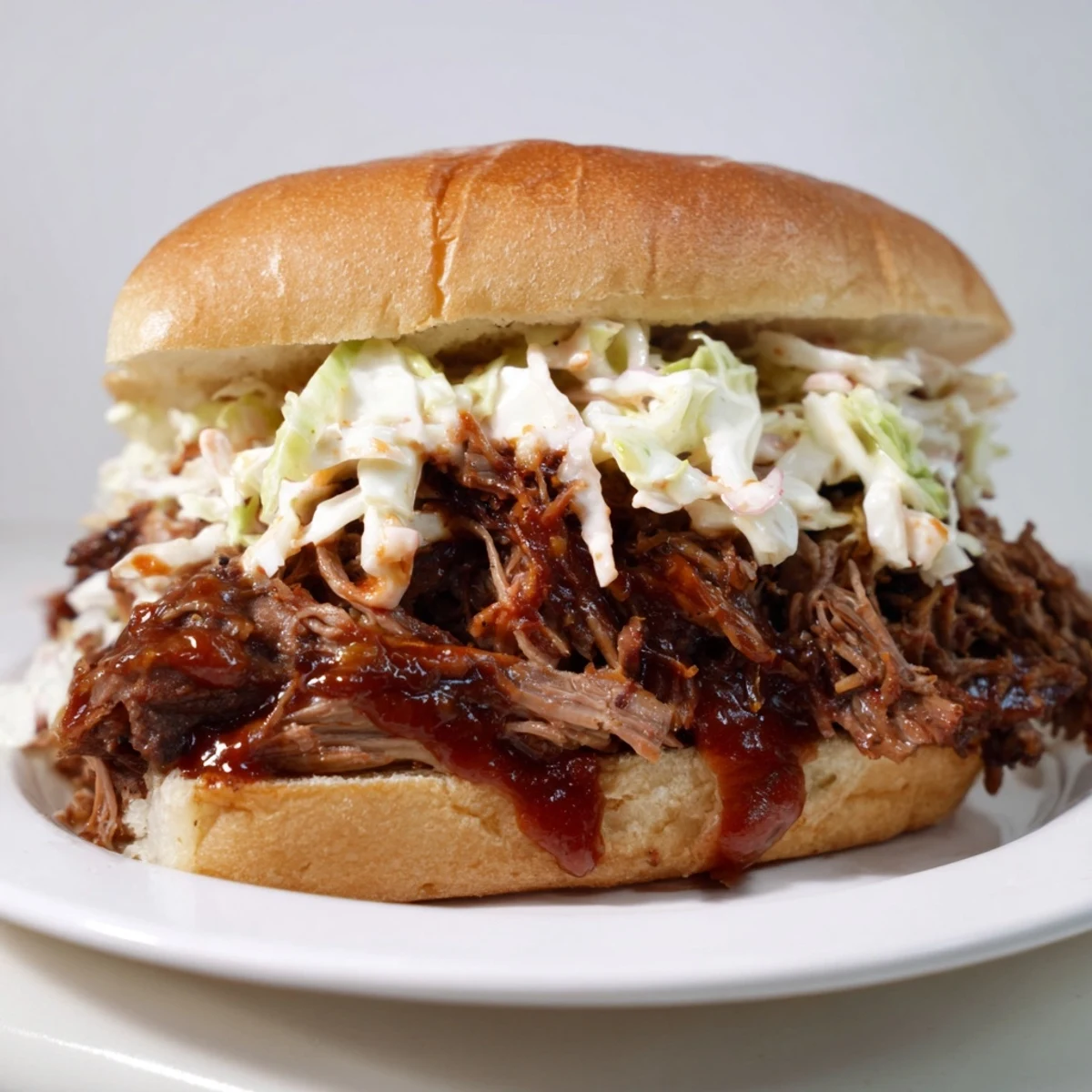
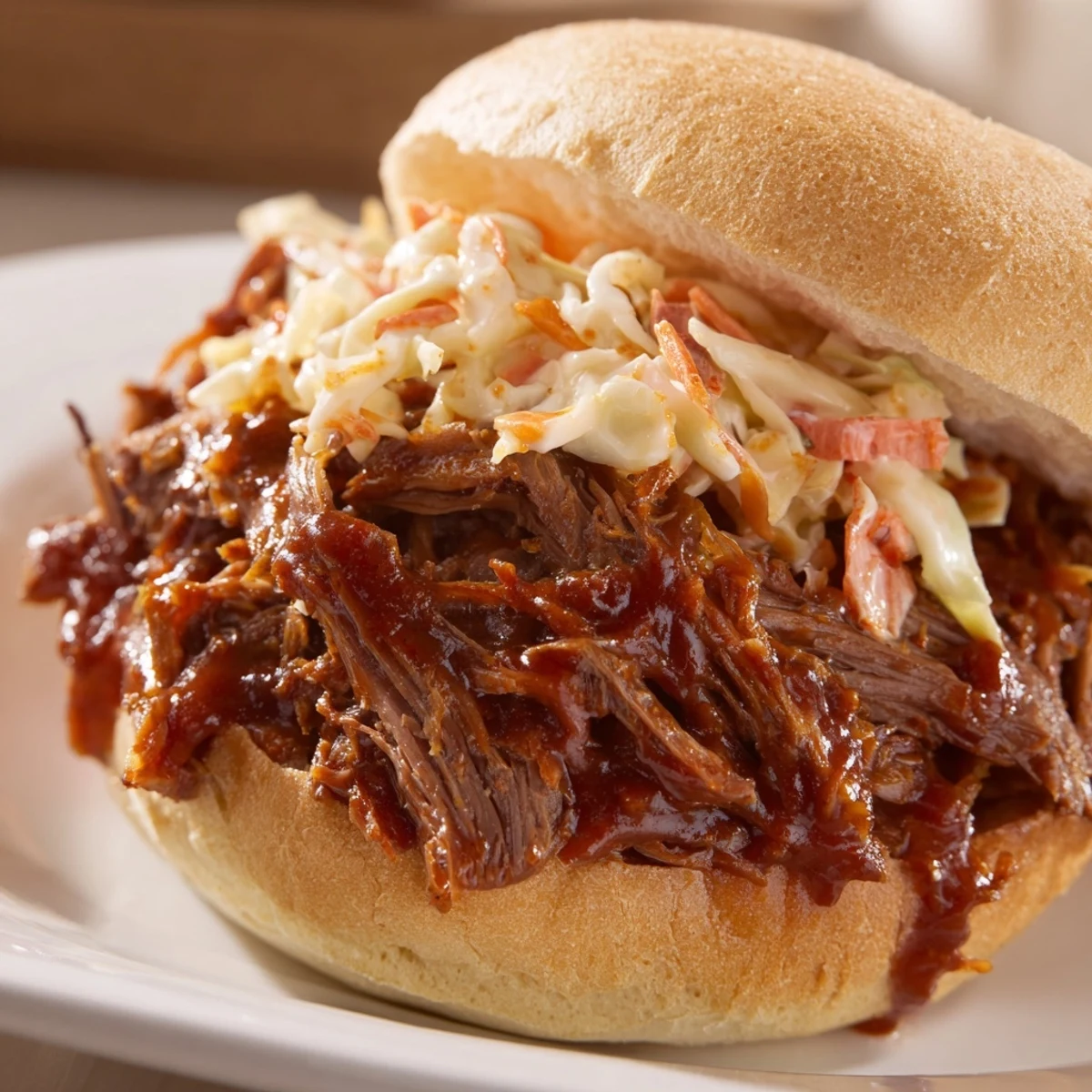
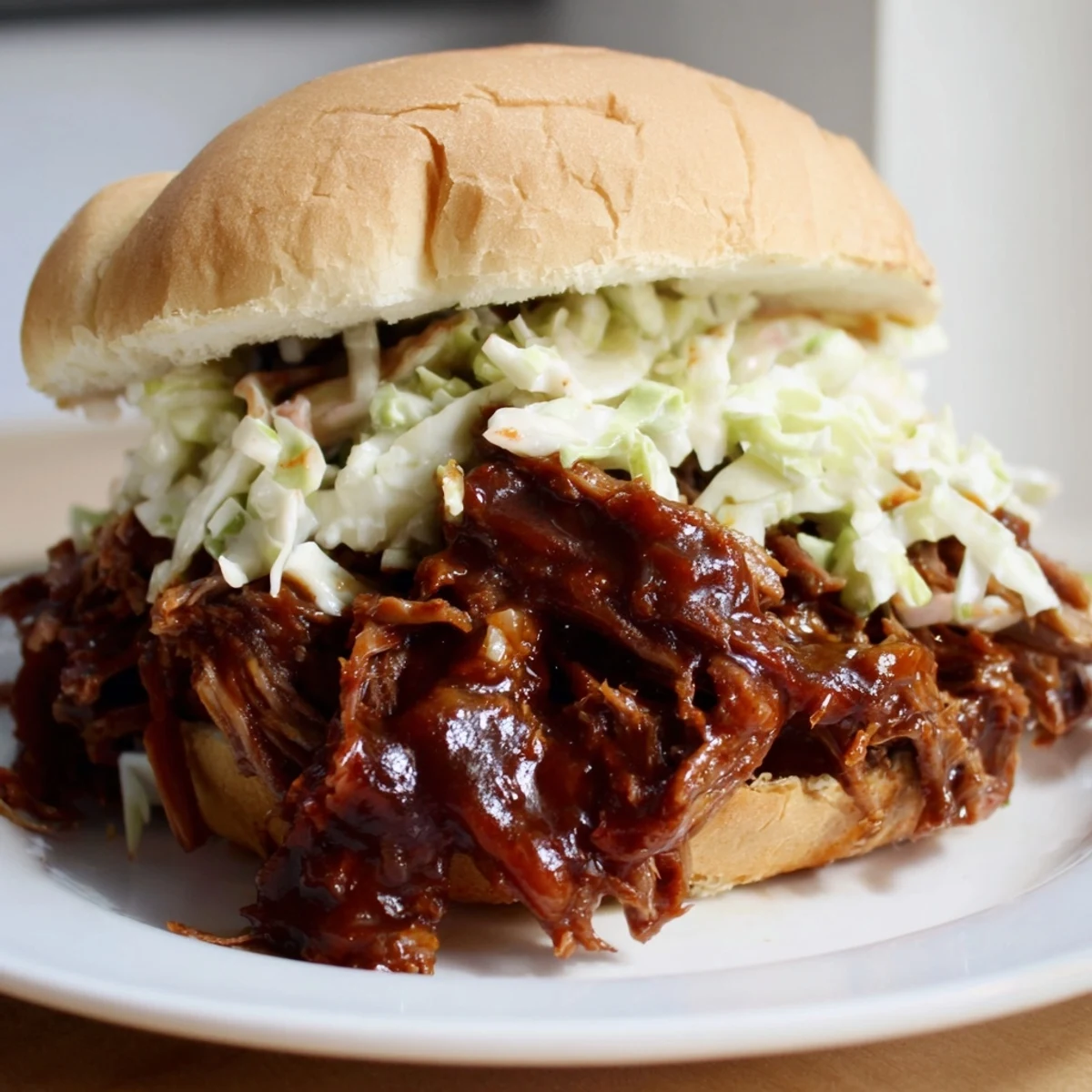
 This dish features tender shredded beef cooked slowly to achieve rich, deep flavors. Seasoned with a blend of smoked paprika, cumin, and thyme, the beef is seared for a caramelized crust before being slow-cooked in a savory beef broth and barbecue sauce mixture. The shredded meat is piled high on toasted buns, topped with crisp, tangy coleslaw, making it perfect for casual gatherings or simple dinners. Optional spice adjustments and serving suggestions provide versatility and enhanced taste.
My neighbor showed up one Saturday afternoon with a beef chuck roast and asked if I'd ever tried slow-cooking it for pulled sandwiches. I hadn't, so we threw everything into my old crockpot and spent the afternoon laughing about how the house smelled like a barbecue joint by dinner time. Eight hours later, when I lifted that lid and the steam hit my face, I understood why he'd been so insistent. That first bite—tender, juicy, falling apart on the bun—and I was hooked for life.
The first time I made these for a casual backyard gathering, I was nervous about whether eight hours was actually going to work out—would the beef be tough, would the flavors be one-dimensional? But when my friends took their first bites, they just went quiet, and I knew I'd found something special. Someone asked for the recipe before they'd even finished eating, and I've made this at least once a month since.
Ingredients
- Beef chuck roast (1.2 kg/2.5 lbs): Chuck roast is perfect for slow cooking because its marbling breaks down into collagen, which becomes gelatin and keeps everything impossibly tender—don't be tempted to use a leaner cut.
- Olive oil (1 tbsp): Just enough to get a proper sear on the meat, which builds flavor from the start.
- Kosher salt (1 ½ tsp): Kosher salt granules dissolve more evenly than table salt, seasoning the beef throughout rather than just the surface.
- Freshly ground black pepper (1 tsp): Pre-ground loses its punch; I always grind mine fresh, and you can taste the difference.
- Smoked paprika (1 tsp): This is what gives the beef that barbecued depth without actually smoking anything—it's the secret weapon.
- Garlic powder (1 tsp): Fresh garlic would break down too much over eight hours, so powder gives you consistent flavor that lasts.
- Onion powder (1 tsp): Same reason as garlic—it stays bright and doesn't get lost in the long cooking.
- Ground cumin (½ tsp): A pinch goes a long way here, adding earthiness without overpowering anything else.
- Dried thyme (½ tsp): Thyme stands up to hours of slow cooking where fresh herbs would fade to nothing.
- Beef broth (1 cup): This becomes your braising liquid and eventually your sauce, so use something with actual flavor, not the sodium-bomb stuff.
- Barbecue sauce (1 cup, plus more for serving): Pick one you actually like eating because this is the backbone of your finishing flavor—I use a vinegar-based one most of the time.
- Apple cider vinegar (2 tbsp): The acidity cuts through the richness and brightens everything at the end.
- Worcestershire sauce (1 tbsp): A splash adds savory depth that makes people ask what your secret ingredient is.
- Sandwich buns (6): Soft, sturdy buns that won't fall apart when piled high—brioche is fine but almost too rich; I prefer regular burger buns or soft potato rolls.
- Coleslaw (1 ½ cups): The cool crunch is essential against the warm, tender beef, and it cuts the richness like nothing else can.
Instructions
- Pat and season the beef:
- Dry the roast thoroughly with paper towels—moisture is the enemy of browning. Mix all your spices and coat the meat generously on every side.
- Sear for color and flavor:
- Get your skillet smoking hot and don't move the beef around; let each side sit for 2–3 minutes until it's deep golden-brown. This crust is where a lot of the flavor lives.
- Build the braising liquid:
- Pour the broth, barbecue sauce, vinegar, and Worcestershire over the beef in the slow cooker. The liquid should come about halfway up the meat, not drown it.
- Set it and forget it:
- Cover and cook on LOW for 8 hours—don't peek constantly, but do check around hour 6 to make sure the liquid isn't evaporating too quickly. When you can easily pull the meat apart with a fork, you're done.
- Shred and recombine:
- Transfer the beef to a cutting board and use two forks to pull it into shreds, discarding any big fat chunks. Skim the fat from the top of the cooking liquid, then return the shredded beef to the cooker and stir it all together so every strand gets coated in that rich sauce.
- Assemble and serve:
- Lightly toast your buns if you have a few extra minutes—it makes them sturdier and adds a subtle richness. Pile the beef high, top with coleslaw and more barbecue sauce, and serve immediately while everything is still warm.
 Save to Pinterest
 There's something almost magical about the moment when you lift that slow cooker lid after eight hours and the steam rises up carrying this incredible aroma. My kids stopped complaining about dinner when they realized this was on the menu, and suddenly I had a dish that both adults and picky eaters could enjoy without negotiation.
Why This Works Every Time
The slow cooker is honestly the most forgiving cooking method in existence for this cut of beef. Chuck roast is built for low, slow heat—all that connective tissue turns into something silky, and the long cooking means seasoning penetrates all the way through instead of sitting on the surface. The combination of barbecue sauce, vinegar, and broth creates a balanced cooking liquid that's savory, slightly sweet, and bright all at once.
Making It Your Own
This recipe is a canvas, honestly. Some people add a splash of coffee or cola to deepen the flavor, others throw in sliced onions or bell peppers to cook alongside the beef. I've made it with spicy barbecue sauce when I wanted more heat, and I've also tried it with a mop sauce applied at the end instead of mixed in, which gives you more control over how much sauce each sandwich gets. The beauty is that the slow cooker does the hard work no matter what.
Serving and Storage
These sandwiches are best eaten fresh while the beef is warm and the coleslaw is still cold and crisp, but they also keep beautifully. The shredded beef reheats perfectly on the stovetop with a splash of extra broth, and you can make the whole batch a day or two ahead if you're planning for a gathering. I always make extra coleslaw and keep it separate so it stays fresh, then assemble sandwiches to order.
- Leftover beef can be frozen in an airtight container for up to three months, and it thaws and reheats without any loss of quality.
- If your buns get a little stale, slice them, brush with a bit of butter, and toast them lightly under the broiler—it brings them back to life instantly.
- Pickles, sliced jalapeños, or a sharp mustard on the side takes these from casual to chef-worthy in seconds.
 Save to Pinterest
 This recipe taught me that sometimes the best meals are the ones that require the least attention while you're making them—all the effort happens upfront, and then you get to spend the rest of the day smelling something incredible while you do literally anything else. That's a pretty good deal.
Recipe Questions & Answers
- → How should I prepare the beef before cooking?
-
Pat the beef dry and season it thoroughly with salt, pepper, smoked paprika, garlic powder, onion powder, cumin, and thyme. Then sear it in olive oil until browned on all sides for added flavor.
- → What cooking method is best for tender shredded beef?
-
Slow cooking on low heat for about 8 hours allows the beef to become tender and easy to shred, absorbing the flavors of the seasoning and cooking liquid.
- → Can I adjust the seasoning for more heat?
-
Yes, adding ½ teaspoon of cayenne pepper to the seasoning blend gives the beef a spicy kick without overpowering other flavors.
- → What sides pair well with these sandwiches?
-
Crisp lagers or zinfandel wine complement the rich flavors, while pickles or sliced jalapeños add a fresh, tangy contrast.
- → How can I make this dish gluten-free?
-
Use certified gluten-free sandwich buns and barbecue sauces, and always check labels for hidden gluten ingredients.
- → How do I reheat leftover shredded beef?
-
Gently reheat leftovers in the slow cooker or on the stovetop to maintain moisture and tenderness without drying out.