
 Save to Pinterest
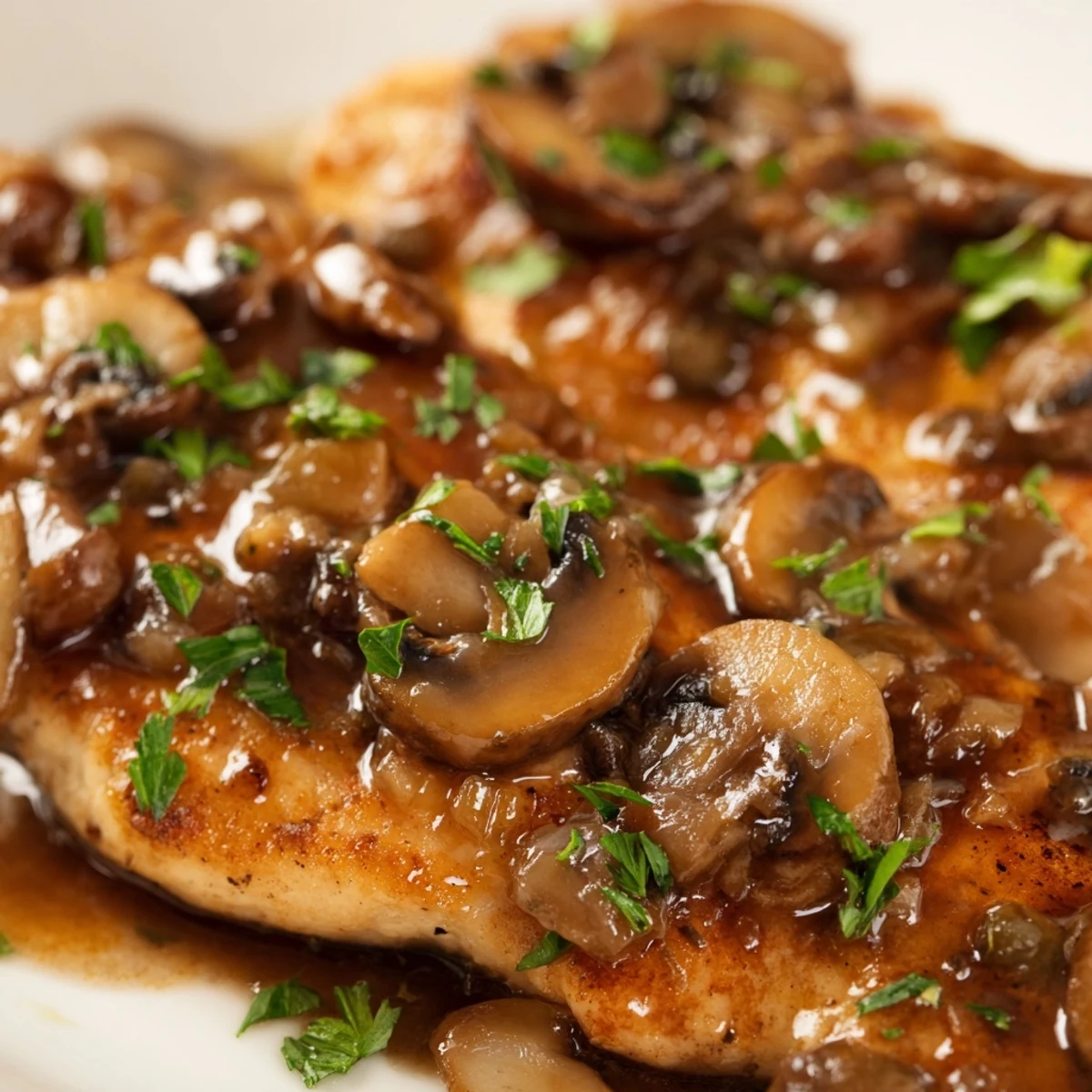
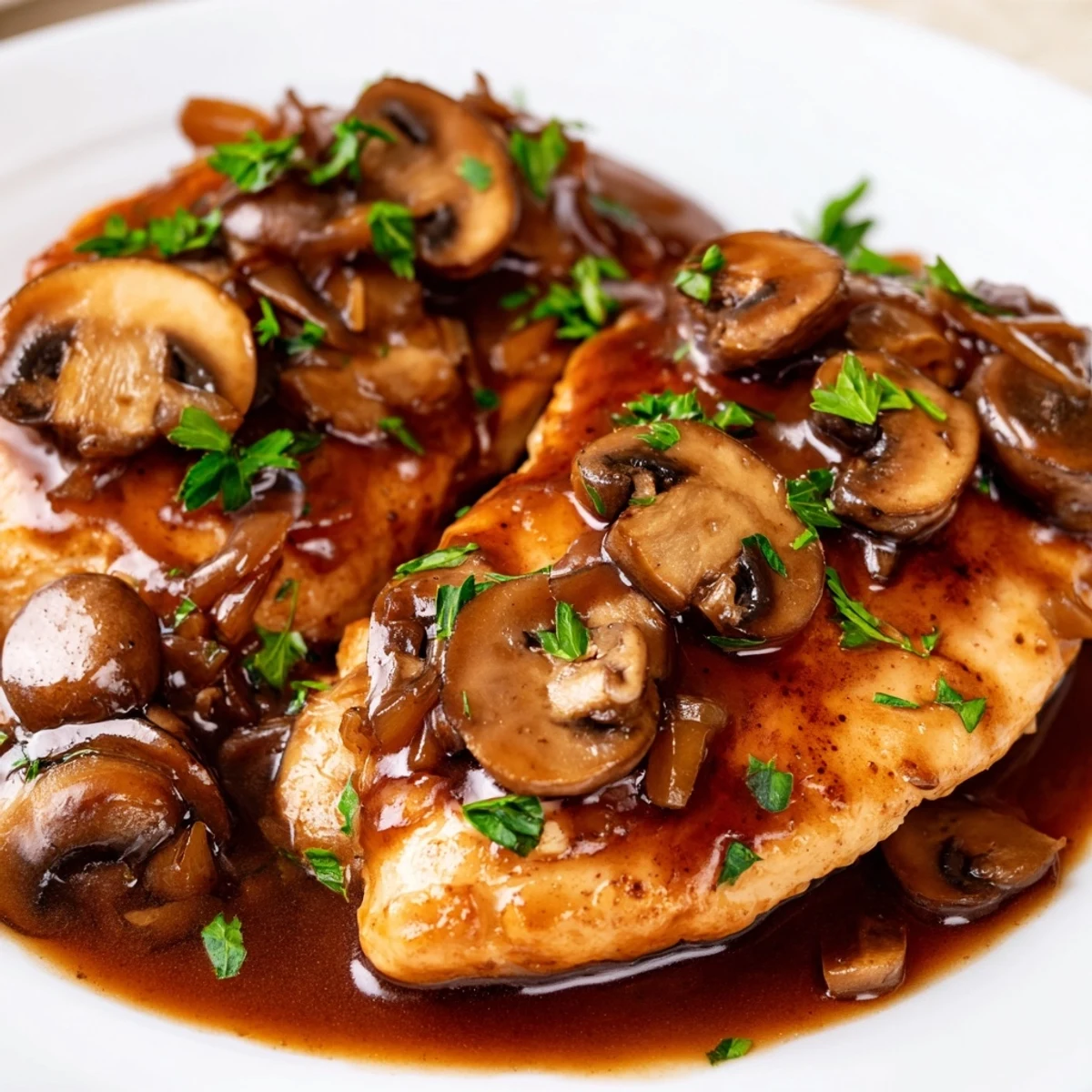
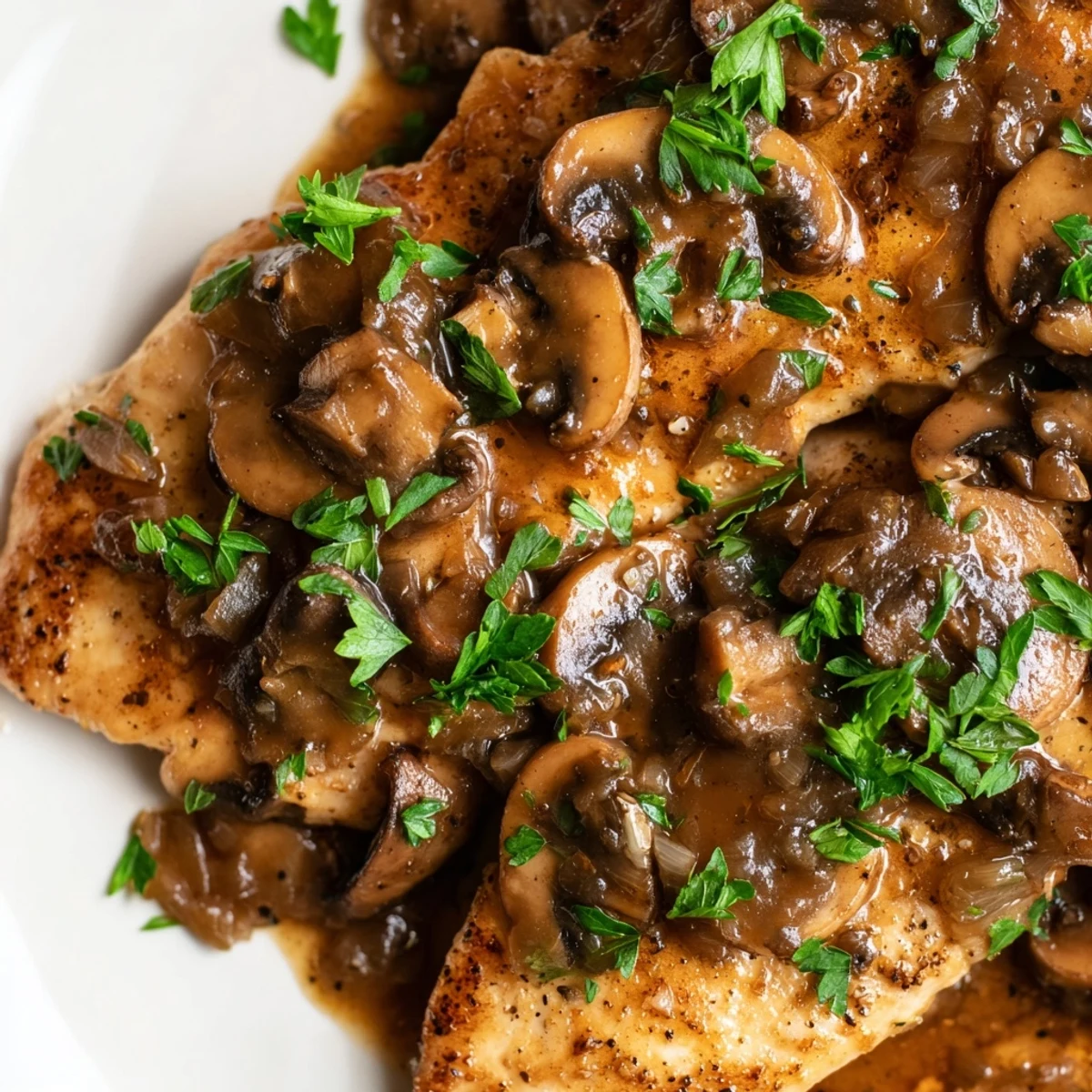
 This dish features tender chicken breasts lightly seasoned and cooked to golden perfection. Earthy mushrooms and aromatic shallots are sautéed in a blend of olive oil and butter, then combined with a rich Marsala-style sauce made alcohol-free using grape juice and savory Worcestershire and Dijon mustard flavors. The sauce is gently thickened and spooned over the chicken, offering a balanced, flavorful experience. Garnished with fresh parsley, it pairs perfectly with mashed potatoes, pasta, or rice. Adaptations for dairy-free and gluten-free diets are simple, making this an easy, versatile Italian-American inspired meal.
The first time I made Chicken Marsala without the wine, I was determined to prove that alcohol-free didn't mean flavor-free. My kitchen filled with the aroma of butter and mushrooms hitting the hot skillet, and I found myself standing there, spatula in hand, realizing this dish was going to be something special. Grape juice might sound unconventional, but it brings that subtle sweetness and depth that makes people ask what your secret ingredient is. Now, every time I make this, I think about how the best dishes are often the ones we invent out of necessity.
I remember cooking this for my friend Marcus on a Tuesday night when he mentioned he was tired of plain chicken breasts. He sat at my kitchen counter watching the mushrooms turn golden, and when he tasted that first bite, he actually closed his eyes. That's when I knew the trick wasn't the Marsala—it was treating the sauce like it mattered just as much as the chicken itself.
Ingredients
- Boneless, skinless chicken breasts (4): Pound them to an even thickness so they cook uniformly and stay tender; thinner chicken also means faster cooking.
- All-purpose flour (1/2 cup): This creates a gentle golden crust that helps seal in moisture while adding subtle texture to the final bite.
- Olive oil and unsalted butter (2 tablespoons each): Together they create a medium-high heat that's hot enough for a good sear without burning; butter adds richness while oil prevents it from smoking.
- Cremini or white mushrooms (10 oz): Slice them consistently so they cook evenly and release their umami into the sauce; cremini mushrooms are earthier than whites.
- Garlic and shallot: These aromatics form the flavor foundation—mince the garlic fine so it distributes throughout the sauce without overpowering.
- Low-sodium chicken broth (3/4 cup): Use low-sodium so you control the salt; the broth becomes concentrated as it reduces.
- Grape juice or apple juice and balsamic (1/3 cup total): Grape juice alone is sweet and mellow; the apple-balsamic combination adds complexity and slight acidity that brightens the sauce.
- Worcestershire sauce (1 teaspoon): Choose an alcohol-free brand; it adds that savory, umami backbone that makes people think there's something special in the sauce.
- Dijon mustard (1 teaspoon): A small amount adds subtle tang and helps emulsify the sauce without making it taste mustardy.
- Cornstarch slurry (1 teaspoon cornstarch + 1 tablespoon water): This thickens the sauce to silky perfection while keeping it smooth and glossy.
- Fresh parsley (2 tablespoons): Add at the end for color and a fresh note that cuts through the richness.
Instructions
- Pound the chicken to even thickness:
- Place each breast between two sheets of plastic wrap and use a meat mallet or rolling pin to gently pound until it's about 1/2 inch thick. This step takes the guesswork out of cooking time and ensures even tenderness.
- Season and dredge:
- Season both sides generously with salt and pepper, then lightly coat in flour, shaking off the excess. The flour should be barely visible—you're looking for a whisper of coating, not a thick layer.
- Sear the chicken:
- Heat the olive oil and 1 tablespoon butter in a large skillet over medium-high heat until it's shimmering. Add the chicken and cook 4 to 5 minutes per side without moving it around; you want that beautiful golden crust.
- Rest the chicken:
- Transfer the seared chicken to a clean plate and tent loosely with foil to keep it warm while you build the sauce.
- Sauté the mushrooms:
- Add the remaining butter to the same skillet where the chicken cooked. Add the mushrooms, shallot, and garlic, stirring occasionally for 4 to 5 minutes until they're softened and starting to turn golden at the edges.
- Build the sauce:
- Pour in the chicken broth, grape juice (or your apple juice and balsamic blend), Worcestershire sauce, and Dijon mustard. Use a wooden spoon to scrape up all those flavorful browned bits stuck to the pan—that's where the magic lives.
- Simmer and thicken:
- Let the sauce bubble gently for 4 to 5 minutes until it reduces slightly and becomes more concentrated. Stir in the cornstarch slurry and cook for another 1 to 2 minutes, stirring constantly, until the sauce thickens and coats the back of a spoon.
- Finish and serve:
- Return the chicken to the pan and spoon the sauce and mushrooms over the top. Let everything simmer together for 2 minutes, then garnish with fresh parsley and serve immediately over mashed potatoes, pasta, or rice.
 Save to Pinterest
 There's something about watching someone taste this dish for the first time that never gets old. They expect alcohol, they expect something fancy and complicated, and instead they find something warm and honest and completely approachable. That's when I realized Chicken Marsala isn't about the wine at all—it's about building layers of flavor that feel effortless.
The Magic of the Sauce
The sauce is really where this dish lives. By the time the mushrooms finish cooking, your skillet contains all this beautiful golden flavor waiting to become something greater. The grape juice adds sweetness and body without any alcohol taste, while the balsamic option brings earthiness and complexity that wine used to provide. I've learned that a good sauce doesn't need to be complicated—it just needs time, heat, and the right balance of savory and sweet.
Dairy-Free and Gluten-Free Swaps
Making this dish work for different diets taught me that good food is actually more inclusive than we think. Replace the butter with extra olive oil or a dairy-free spread and the dish becomes naturally dairy-free; the richness comes from the mushrooms and the sauce, not the butter. For gluten-free, swap the all-purpose flour for a 1:1 gluten-free blend and use an alcohol-free Worcestershire sauce that's labeled gluten-free.
What to Serve It With
Chicken Marsala feels most at home over something that can soak up the sauce. Creamy mashed potatoes are classic for a reason, but I've had equal success with wide egg noodles and risotto. The sauce is the star here, so pick a starch that lets it shine rather than compete.
- Mashed potatoes are the most forgiving choice—they catch all the sauce and taste richer for it.
- Egg noodles or tagliatelle create a restaurant-quality presentation that feels effortless at home.
- Rice works beautifully if you want something lighter, though it will soak up all that sauce quickly.
 Save to Pinterest
 This is the kind of dish that proves the best cooking happens when you stop overthinking and start trusting your senses. Watch for the golden color, listen for the gentle sizzle, taste as you go, and let the kitchen tell you what it needs.
Recipe Questions & Answers
- → What type of mushrooms work best for this dish?
-
Cremini or white mushrooms provide an earthy flavor, but shiitake or oyster mushrooms can add additional depth.
- → How can I make this dish dairy-free?
-
Replace butter with olive oil or a dairy-free margarine to keep the sauce rich and flavorful.
- → Is the Marsala-style sauce truly alcohol-free?
-
Yes, grape juice or a combination of apple juice and balsamic vinegar replace traditional wine for an alcohol-free sauce.
- → Can I use gluten-free flour for dredging the chicken?
-
Absolutely, gluten-free flour works well and keeps the coating light and crisp.
- → What sides complement this dish?
-
Mashed potatoes, pasta, or steamed rice are ideal to soak up the savory sauce and complete the meal.