
 Save to Pinterest
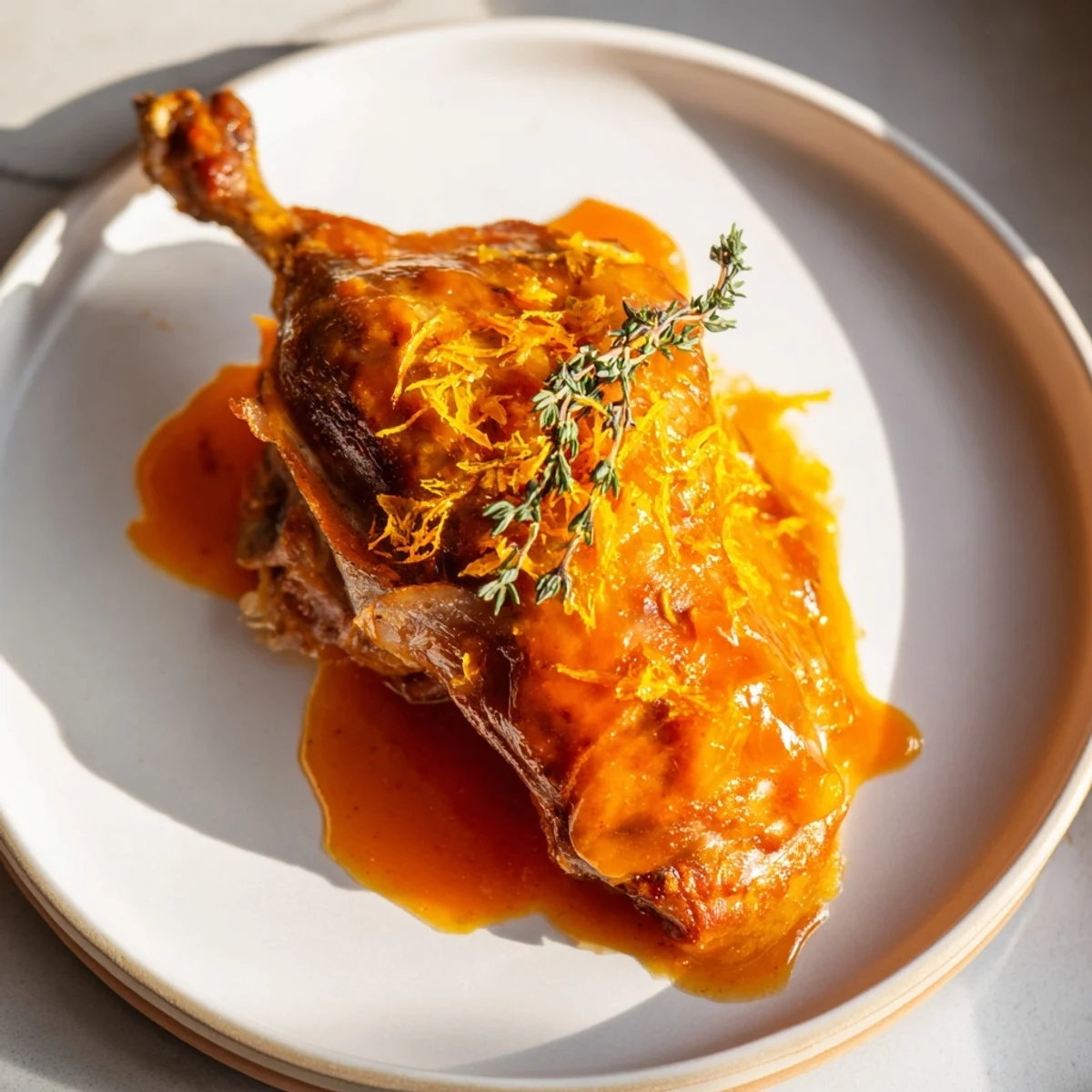
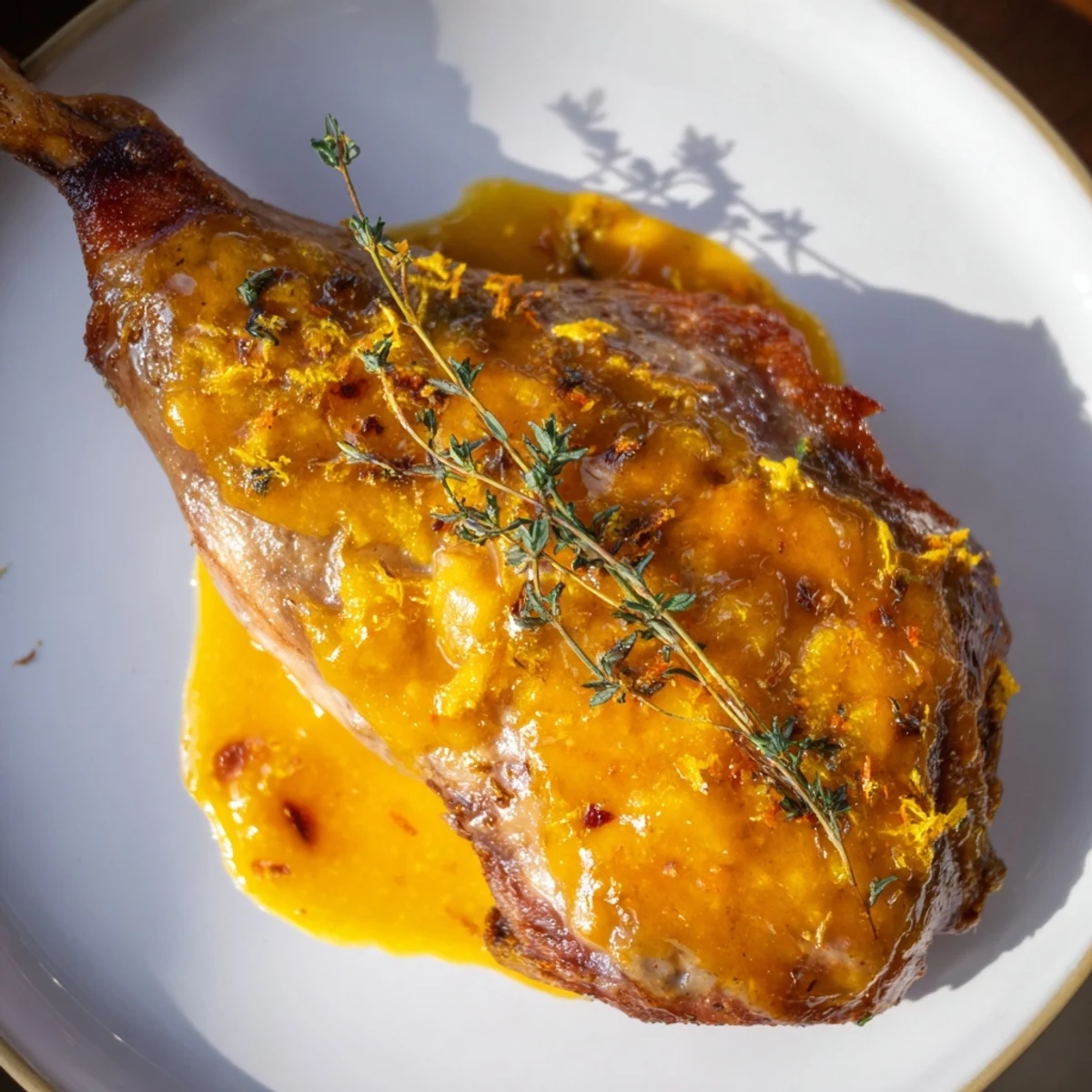
 This dish features a whole duck, slowly roasted at low heat to render fat and develop tender meat with crispy skin. Aromatics like orange, lemon, thyme, rosemary, and garlic are stuffed inside to infuse deep, natural flavors. The highlight is a vibrant orange glaze made from fresh juice, zest, honey, balsamic vinegar, and soy sauce, reduced to a syrupy finish. The duck is basted with this glaze and roasted further to create a glossy, flavorful crust. Resting before carving ensures juicy servings. Ideal for pairing with roasted vegetables or salad.
I bought my first whole duck on a whim at the farmers market, intimidated but curious. The vendor told me to just be patient with it, and that advice turned out to be everything. What emerged from my oven hours later—crispy, golden, fragrant with orange—felt like a small triumph I never expected from my tiny kitchen.
I made this for a dinner party once, nervously checking the oven every twenty minutes. My friend walked into the kitchen, breathed in deep, and said it smelled like a bistro in Paris. I didnt tell her it was only my second time attempting duck, and by the end of the night, I didnt need to.
Ingredients
- Whole duck (2 to 2.5 kg): Look for a plump bird with smooth, unbroken skin. Pat it completely dry before you start or the skin wont crisp properly.
- Kosher salt and black pepper: Season generously inside and out. Duck can handle bold flavor, and the salt helps render the fat.
- Orange and lemon quarters: These go inside the cavity to perfume the meat from within. Dont skip them, the aromatics make all the difference.
- Fresh thyme and rosemary: A few sprigs tucked inside add earthy depth. Dried herbs wont give you the same fragrance.
- Garlic cloves, smashed: They soften and sweeten as the duck roasts, adding a mellow background note.
- Freshly squeezed orange juice: Use real oranges, not carton juice. The brightness is what makes the glaze sing.
- Orange zest: This brings essential oils and a punch of citrus that honey alone cant deliver.
- Honey: It caramelizes beautifully and balances the acidity of the vinegar and orange.
- Balsamic vinegar: Adds a subtle tang and complexity. A cheap bottle works fine here.
- Soy sauce: Just a tablespoon brings umami and a hint of salinity that deepens the glaze.
- Unsalted butter: Whisked in at the end, it gives the glaze a silky, glossy finish.
Instructions
- Prep the duck:
- Pat the duck completely dry with paper towels, then prick the skin all over with a fork or the tip of a sharp knife. You want to pierce the fat layer without hitting the meat, so go gently. This helps the fat render out and the skin crisp up beautifully.
- Season and stuff:
- Rub salt and pepper inside the cavity and all over the outside. Tuck the orange quarters, lemon quarters, thyme, rosemary, and smashed garlic into the cavity.
- Start the slow roast:
- Place the duck breast side up on a rack in a roasting pan and slide it into a 150°C (300°F) oven. Roast for 2 hours, basting every 30 minutes with the pan juices and draining off excess fat as it pools (save that liquid gold for another use).
- Make the glaze:
- While the duck roasts, combine orange juice, zest, honey, balsamic vinegar, and soy sauce in a small saucepan. Bring it to a boil, then lower the heat and simmer until its reduced by half and coats the back of a spoon, about 12 to 15 minutes. Whisk in the butter and set aside.
- Finish with high heat:
- After 2 hours, crank the oven up to 220°C (425°F). Brush the duck generously with the orange glaze and roast for another 20 to 30 minutes, basting once or twice, until the skin is deep golden and crackling crisp.
- Rest and serve:
- Let the duck rest for 15 minutes before carving. Serve with the remaining glaze drizzled over the top.
 Save to Pinterest
 The first time I sliced into a duck I roasted myself, the meat was rosy and tender and the skin shattered like glass under the knife. My partner looked up from their plate and said, we should do this more often. Thats when I realized cooking something this good doesnt have to be saved for special occasions.
Getting the Crispiest Skin
If you have time, leave the duck uncovered in the fridge overnight. The cold air dries out the skin, which means it crisps up faster and more evenly in the oven. I started doing this after reading about it in an old French cookbook, and Ive never looked back.
What to Do with All That Duck Fat
Pour the rendered fat through a fine mesh strainer into a jar and store it in the fridge. Use it to roast potatoes, fry eggs, or sauté vegetables. It keeps for weeks and adds a richness butter just cant match.
Serving Suggestions and Pairings
This duck shines alongside roasted potatoes, braised red cabbage, or a crisp green salad dressed simply with lemon and olive oil. The glaze is rich and sweet, so you want sides that bring brightness or earthiness to balance it out.
- Try serving it with a side of wilted greens like spinach or chard.
- A glass of Pinot Noir or a dry Riesling complements the orange and the richness beautifully.
- Leftover duck makes an incredible addition to fried rice or noodle soup the next day.
 Save to Pinterest
 Theres something deeply satisfying about pulling a whole roasted duck from the oven, golden and glistening, filling the house with the scent of orange and herbs. It reminds me that some of the best meals come from slowing down and letting time do the work.
Recipe Questions & Answers
- → How do I achieve crispy skin on the duck?
-
Pat the duck dry and prick the skin to release fat. For extra crispiness, leave uncovered in the fridge overnight before roasting.
- → Can I substitute honey in the orange glaze?
-
Yes, maple syrup works well as a natural alternative to honey without altering the glaze’s balance.
- → What herbs complement this duck preparation?
-
Fresh thyme and rosemary provide aromatic depth, complementing the citrus notes and richness.
- → How long should the duck rest after roasting?
-
Letting the duck rest for about 15 minutes allows juices to redistribute, yielding moist, tender slices.
- → Is soy sauce necessary in the glaze?
-
While soy sauce adds umami and depth, gluten-free or soy-free alternatives can be used as needed.