
 Save to Pinterest
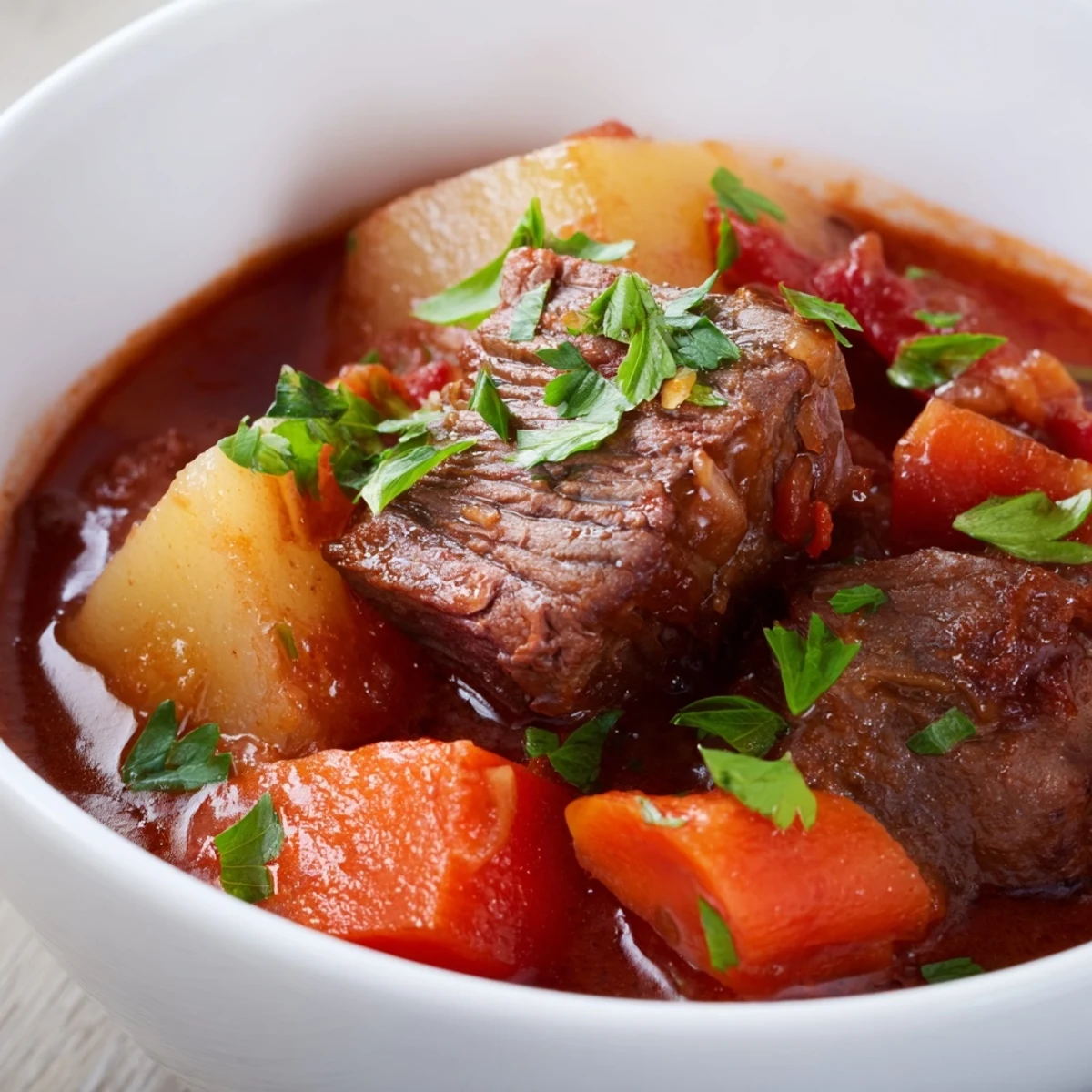
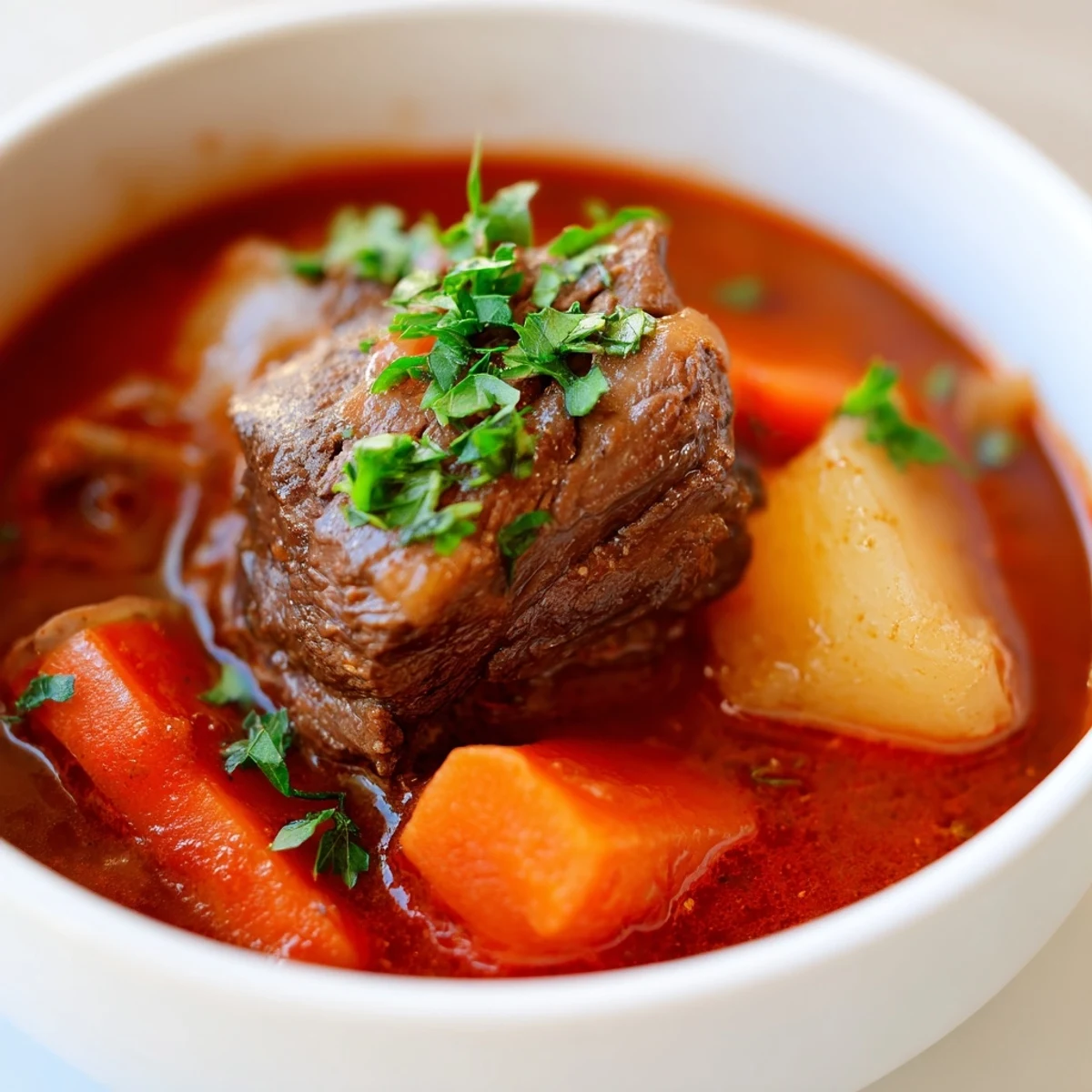
 This dish features tender chunks of beef, slow-cooked with sweet carrots, creamy potatoes, and aromatic herbs for hours until meltingly soft. Browning the beef beforehand enhances depth, while a mixture of broth, tomato paste, and seasonings infuses savory richness. Slow cooking allows flavors to meld beautifully, resulting in a hearty one-pot meal perfect for cozy gatherings. Thickened with cornstarch for a satisfying texture and garnished with fresh parsley, it offers comfort and wholesome nourishment.
There's something about the sound of a slow cooker bubbling away on a Sunday afternoon that makes everything feel right. Years ago, I'd come home to find my grandmother's kitchen filled with the aroma of beef stew—the kind that took all day but felt worth every minute of waiting. Now when I make this version, I'm transported back to that cozy kitchen, except I get to sit down while it does the work. It's become my go-to when the weather turns cold and I want something that tastes like it's been simmering since morning.
I made this for my partner on a rainy evening when they'd had a rough week, and watching their face when they tasted it reminded me why comfort food matters so much. It wasn't fancy, but it was honest—real chunks of beef, potatoes soft enough to break with a spoon, carrots that had absorbed every bit of that savory broth. We ate it straight from bowls with crusty bread, and nobody said much because sometimes food speaks louder than words.
Ingredients
- Beef chuck (2 lbs, cut into 1.5-inch cubes): Chuck is the secret here—it's marbled with fat and connective tissue that breaks down into gelatin, making the meat incredibly tender and the broth rich.
- Carrots (4 medium, peeled and sliced): They soften into sweet, almost buttery pieces; don't skip peeling them because the flavor is deeper without the skin.
- Potatoes (4 medium, peeled and diced): Waxy varieties like Yukon Golds hold their shape better than russets, which tend to fall apart.
- Celery (2 stalks, sliced): This isn't for flavor alone—it adds body to the broth and rounds out the aromatics in a way you'll taste but not name.
- Onion (1 large, chopped): It dissolves almost entirely into the stew, sweetening the broth as it cooks down.
- Garlic (3 cloves, minced): Add it raw at the beginning; it mellows beautifully over eight hours instead of turning bitter.
- Beef broth (4 cups): Use the best you can find—homemade is ideal, but good store-bought makes a real difference in the final taste.
- Red wine (1/2 cup, optional): It adds depth and a subtle complexity; if you skip it, your broth will be lighter but still delicious.
- Tomato paste (2 tbsp): This is the secret weapon for umami depth; don't skimp on it or dilute it too much.
- Worcestershire sauce (1 tbsp): It ties everything together with a savory, slightly tangy note that makes people ask what your secret ingredient is.
- Bay leaves (2): Remove them before serving or people will bite into one and give you a look.
- Dried thyme and rosemary (1 tsp each): These herbs infuse the broth without overpowering it; fresh herbs would lose their delicate flavor over eight hours.
- Salt and black pepper (1 tsp salt, 1/2 tsp pepper): Season conservatively at first—you'll taste and adjust at the end when you know how salty your broth is.
- Cornstarch slurry (2 tbsp cornstarch mixed with 3 tbsp cold water): This thickens the stew in the last few minutes, transforming loose broth into something with real body and cling.
- Fresh parsley (2 tbsp, chopped): It's optional but adds a brightness and color that makes the stew feel finished rather than just warm.
Instructions
- Dry and season the beef:
- Pat each cube with paper towels until they're no longer wet—this helps them brown instead of steam. Sprinkle generously with salt and pepper on all sides.
- Sear the meat (this step is optional but worth it):
- Heat a large skillet over medium-high heat until it's hot enough that a drop of water sizzles. Work in batches so you don't crowd the pan, searing each piece until it's deep brown on at least two sides—this takes about two minutes per side. You're not cooking the beef through, just building flavor.
- Layer the slow cooker:
- Place the seared beef in the slow cooker first, then add carrots, potatoes, celery, onion, and garlic on top. This layering isn't critical, but it looks nice when you peek in.
- Make the braising liquid:
- In a bowl, whisk together beef broth, tomato paste, Worcestershire sauce, red wine if you're using it, thyme, and rosemary until the tomato paste is dissolved and the mixture is smooth. Pour it over the beef and vegetables, then tuck in the bay leaves.
- Cook low and slow:
- Cover and set to LOW for eight hours or HIGH for four to five hours—low and slow is better because the meat becomes more tender. You'll know it's done when the beef breaks apart easily when you press it with a spoon.
- Thicken the stew:
- Mix cornstarch and cold water in a small bowl until it's completely smooth with no lumps. Stir it into the hot stew, cover, and cook on HIGH for fifteen to twenty minutes until the broth thickens enough to coat a spoon.
- Finish and taste:
- Remove the bay leaves, then taste the stew and adjust salt and pepper if needed—remember that slow cooking can concentrate flavors in unexpected ways. Ladle into bowls and top with fresh parsley if you have it.
 Save to Pinterest
 I remember one winter when I made this for a dinner party and a guest told me it reminded them of their childhood—their mother had made something similar, and for a moment they were both in that warm kitchen together. That's when I realized this recipe isn't really about the ingredients or even the technique. It's about creating a moment that feels safe and loved, the kind of meal people remember long after they've forgotten what else you served that night.
The Art of Searing Beef
Searing isn't required, but it changes everything. When you brown the meat first, you create a crust through a chemical reaction called the Maillard effect—that's the source of deep, savory, almost meaty flavors that you can't get any other way. I used to skip this step to save time, but once I did it, I couldn't go back. The difference between a good stew and an unforgettable one is sometimes just those few minutes in a hot skillet.
Timing and Temperature Flexibility
Eight hours on low is the sweet spot, but life doesn't always cooperate with slow cooker schedules. If you need to cook on high, reduce the time to four or five hours—the beef will still be tender, though it won't have absorbed quite as much broth flavor. I've also cooked this for ten hours on low when I forgot about it, and honestly, it was still perfect. The slow cooker is forgiving that way.
Making It Your Own
Once you understand the basic structure, you can play with it. I've added mushrooms for earthiness, a parsnip for sweetness, even a splash of balsamic vinegar for complexity. The foundation is solid enough that small changes never break the dish. The real magic is that you can make it exactly the way you love it, and nobody will ever know that you didn't follow a recipe to the letter.
- Try adding a cup of sliced mushrooms for a deeper, earthier flavor that nobody can quite identify.
- A parsnip adds natural sweetness that balances the savory broth beautifully.
- Serve with crusty bread for soaking up every drop, or over creamy mashed potatoes to make it even more indulgent.
 Save to Pinterest
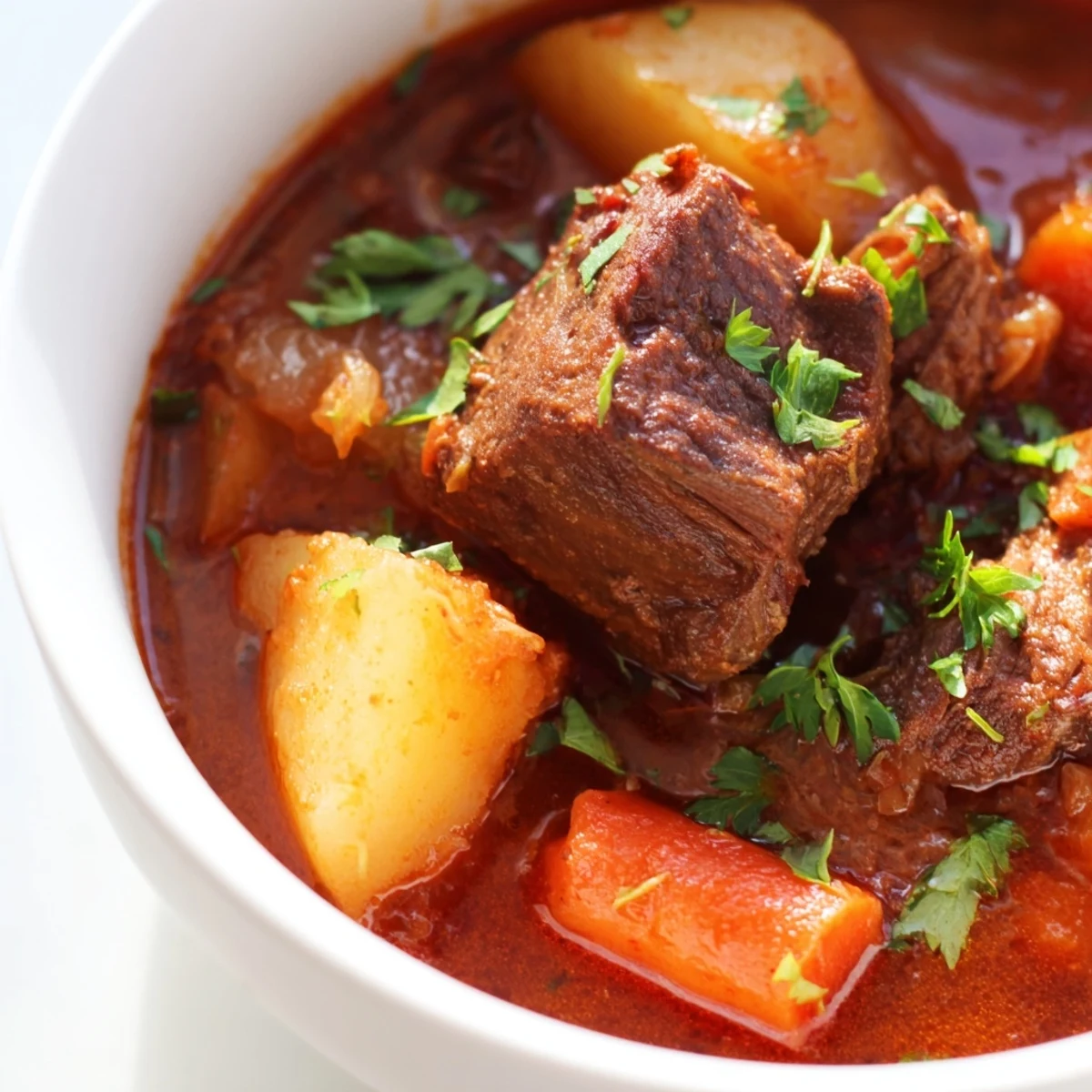
 This stew is the kind of food that makes a house feel like a home. Whether you're cooking for yourself on a quiet weeknight or feeding people you love, it delivers comfort in every spoonful.
Recipe Questions & Answers
- → Can I brown the beef before cooking?
-
Yes, browning the beef in a skillet before slow cooking adds rich flavor and improves texture, though it's optional.
- → How do I thicken the stew properly?
-
Mix cornstarch with cold water until smooth, then stir into the stew and cook on high for 15–20 minutes until thickened.
- → Can I substitute the wine in the broth mixture?
-
Yes, the dry red wine is optional and can be replaced with additional beef broth without compromising flavor.
- → What alternatives can I add for extra depth?
-
Adding sliced mushrooms or parsnips enhances earthiness and adds complexity to the flavors.
- → How long does it take to cook in the slow cooker?
-
The dish cooks on low for 8 hours or on high for 4–5 hours until the beef and vegetables are tender.
- → Is this dish suitable for a gluten-free diet?
-
Yes, if gluten-free broth and Worcestershire sauce are used, this dish accommodates gluten-free preferences.