
 Save to Pinterest
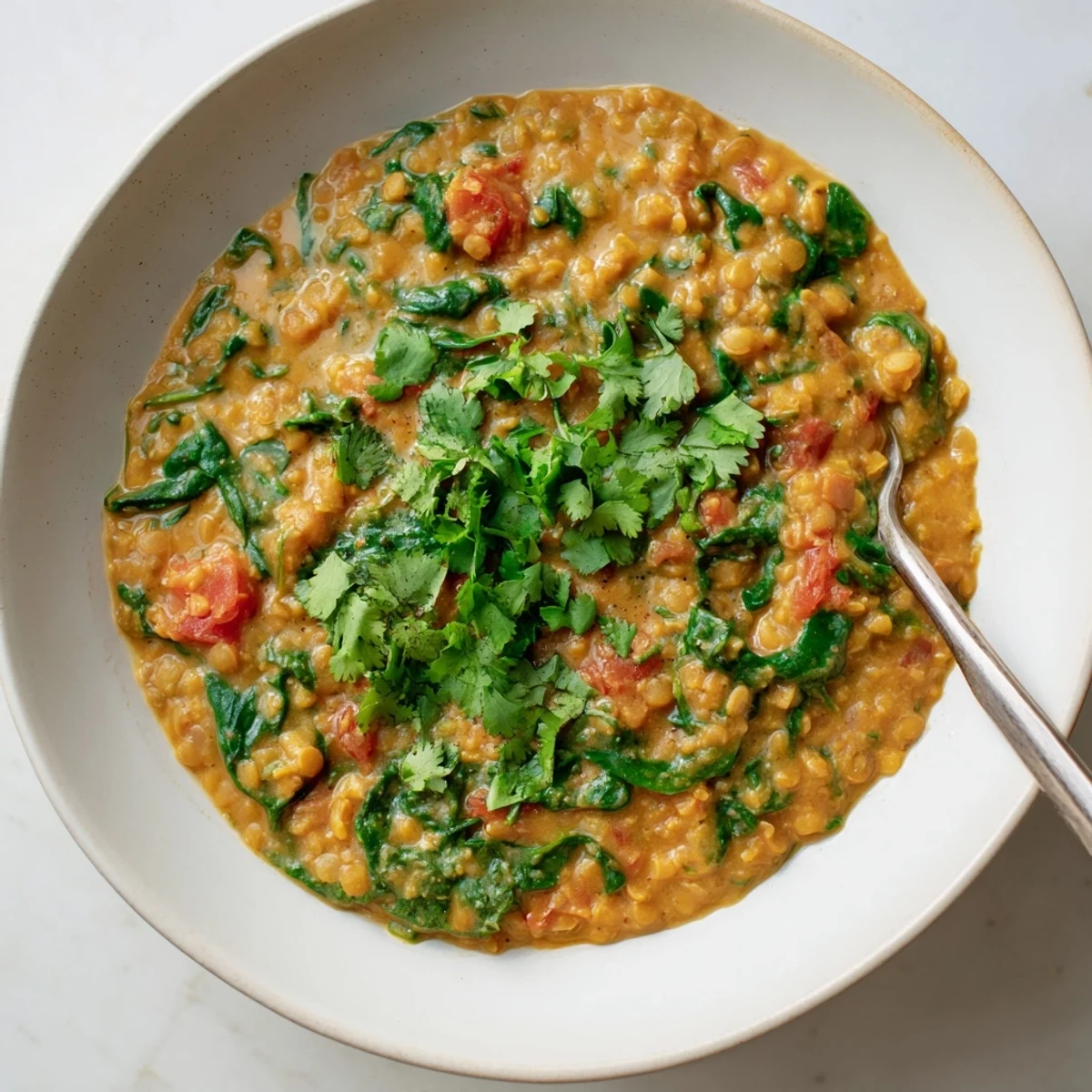
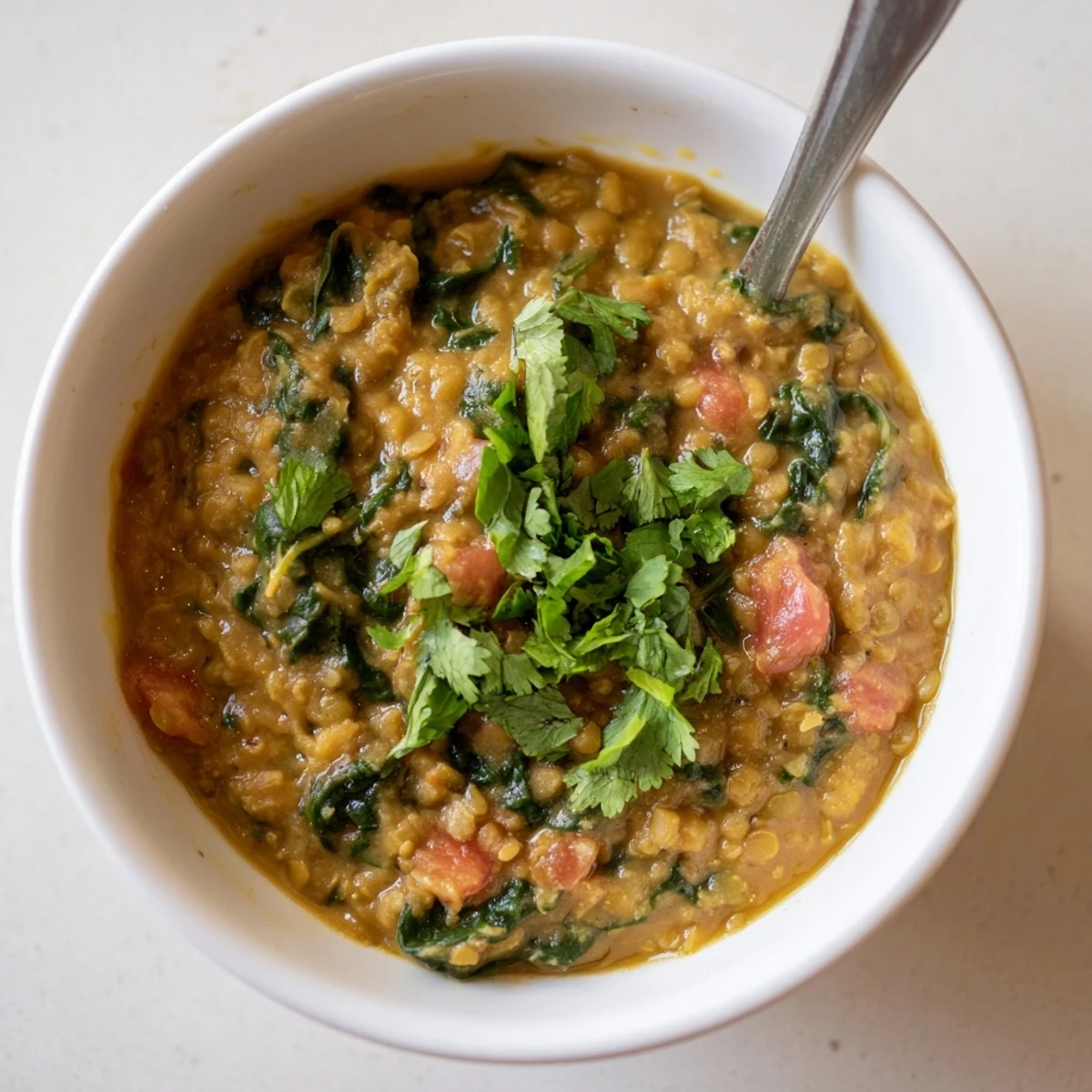
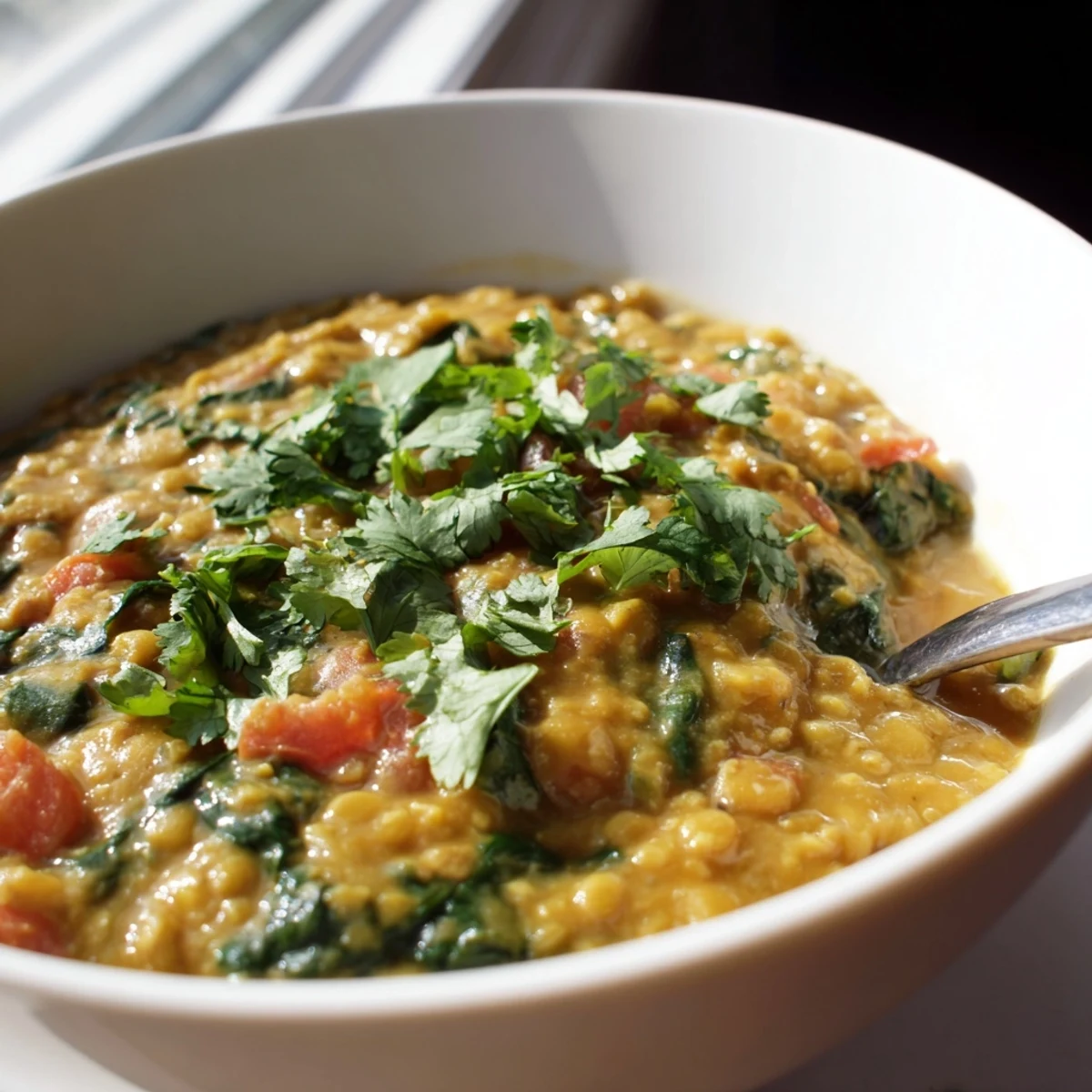
 This dish highlights tender lentils cooked slowly with fresh spinach and a blend of Indian spices such as cumin, coriander, turmeric, and garam masala. Aromatics like garlic, ginger, and diced tomato deepen the flavor while vegetable broth creates a comforting, rich base. The spinach is added near the end to maintain freshness and color. Ideal as a wholesome vegetarian main or a vibrant side, it pairs well with basmati rice or warm naan. The combination of textures and spices makes it both nourishing and satisfying.
The first time I made dahl was in a tiny apartment kitchen on a cold November evening, armed with nothing but a vague recipe scrawled on notebook paper and a determination to recreate the warming bowl I'd eaten at a friend's dinner party weeks earlier. I remember the moment the spices hit the hot oil—that sudden, almost violent bloom of cumin and coriander that filled the entire room and made me feel, for a brief second, like I actually knew what I was doing. Turns out, I didn't need fancy equipment or years of experience; I just needed to trust the process and let the lentils do their thing.
I've made this dahl for my roommate on nights when she came home exhausted from work, and watching her face soften after that first spoonful felt like a small victory. There's something about a warm, spiced bowl of lentils that tells someone you're thinking of them without being overbearing about it. Since then, it's become my go-to comfort dish, the one I make when I want to feel capable in the kitchen.
Ingredients
- Red lentils (1 cup, 200 g): These break down into a creamy base and cook faster than brown or green lentils—rinse them well to remove any dust or debris.
- Onion (1 medium): Dicing it finely ensures it softens completely and disappears into the spice base, building a subtle sweetness.
- Garlic (2 cloves) and fresh ginger (1-inch piece): These two are non-negotiable; they create the aromatics that make people ask what you're cooking before they even see the pot.
- Tomato (1 medium): Choose one that's ripe but not mushy—it'll break down into the dahl and add natural acidity and body.
- Fresh spinach (4 cups, 120 g): Add it at the very end so it stays bright and slightly firm rather than turning into mush.
- Ground cumin, coriander, and turmeric: These three form the flavor backbone; using ground spices makes this recipe accessible without requiring a mortar and pestle.
- Chili powder, garam masala, and black pepper: Layer these in stages so their flavors bloom and blend rather than taste sharp or one-dimensional.
- Vegetable broth (3 cups, 720 ml): Use a good quality broth or water—the lentils will flavor everything anyway, but good broth adds depth.
- Vegetable oil (1 tbsp): The oil is your heat conductor; it helps release the spices and prevents the onion from sticking.
Instructions
- Build your spice base:
- Heat the oil in a large saucepan over medium heat and add the onion, listening for that gentle sizzle. Let it cook for 4 to 5 minutes, stirring occasionally, until it turns translucent and softens at the edges—this is when you know the oil is carrying its flavor into the base.
- Wake up the aromatics:
- Stir in the garlic and ginger and cook for about 1 minute until the kitchen fills with that unmistakable aroma. You'll notice the shift immediately—the raw garlic bite smooths into something warm and inviting.
- Toast the spices:
- Add the cumin, coriander, turmeric, chili powder, and black pepper all at once, stirring constantly for just 30 seconds. This brief toast is crucial; it wakes up the spices and prevents them from tasting dusty or flat in the final dish.
- Marry the tomato:
- Add the diced tomato and cook for 2 to 3 minutes, stirring occasionally, until it softens and begins to break apart. You're creating a fragrant, cohesive base that will carry all the flavors into the lentils.
- Simmer the lentils:
- Stir in the rinsed lentils and pour in the vegetable broth, then bring everything to a boil before dropping the heat to a gentle simmer. Cook uncovered for 20 to 25 minutes, stirring occasionally, until the lentils have completely softened and the dahl has thickened into something creamy and comforting.
- Finish with greens and spice:
- Add the salt, garam masala, and chopped spinach, stirring gently until the spinach wilts into the warm dahl—this should take just 2 to 3 minutes. Taste as you go and adjust the seasoning; this is your moment to make it exactly what you want it to be.
 Save to Pinterest
 I learned on my second attempt that patience is the secret ingredient—there's no rushing a good dahl, and the moment you stop watching the clock and just let it bubble away is when the magic happens. My best batch came on a day when I wasn't even trying to impress anyone, just cooking for myself on a quiet afternoon.
The Texture Question
Some people prefer their dahl perfectly smooth and creamy, while others want little pieces of lentil to bite into—there's no wrong answer here. If you like it creamier, grab a potato masher after the lentils have cooked but before you add the spinach and gently mash some of the lentils against the side of the pot. You're not making a puree; you're just breaking down enough of them to release their starch and create a silkier mouthfeel.
What to Serve It With
A warm bowl of dahl is complete on its own, but it truly sings alongside fluffy basmati rice or soft, pillowy naan that you can use to scoop up every spoonful. If you want to get fancy, a splash of coconut milk stirred in at the end adds richness and a subtle sweetness that balances the spices beautifully. Some people swear by a squeeze of fresh lemon juice and a handful of cilantro on top—and they're not wrong.
Making It Your Own
This recipe is a template, not a rulebook, so feel free to adjust the spices and heat level to match your preferences and what you have on hand. I've made this with extra ginger on days when I felt a cold coming on, added extra chili powder when I was in the mood for heat, and even thrown in a handful of diced carrots because they were about to go bad. The dahl is forgiving enough to bend with your mood and your pantry.
- If you don't have fresh ginger, use ½ teaspoon of ground ginger—it's not quite the same, but it works.
- Red lentils are essential here because they break down; green or brown lentils will stay whole and give you a completely different texture.
- Make a big batch and freeze it; dahl reheats beautifully and tastes even better the next day.
 Save to Pinterest
 This dahl has become the dish I reach for when I want to cook something nourishing without fussing, and somehow it always feels a little bit special. It's proof that the best recipes don't require complexity—just care and the willingness to let simple ingredients shine.
Recipe Questions & Answers
- → What type of lentils work best?
-
Red lentils are preferred for this stew as they cook quickly and break down to create a creamy texture.
- → Can I adjust the spice level?
-
Yes, chili powder can be modified according to your heat preference or omitted for a milder flavor.
- → How do I keep the spinach fresh and vibrant?
-
Add the chopped spinach near the end of cooking and simmer briefly until just wilted to retain color and nutrients.
- → Is it suitable for gluten-free diets?
-
Absolutely, all ingredients are naturally gluten-free. Just ensure the broth used is free from gluten-containing additives.
- → Can this dish be made creamier?
-
For a creamier texture, gently mash some lentils with a potato masher before adding the spinach or stir in coconut milk for richness.