
 Save to Pinterest
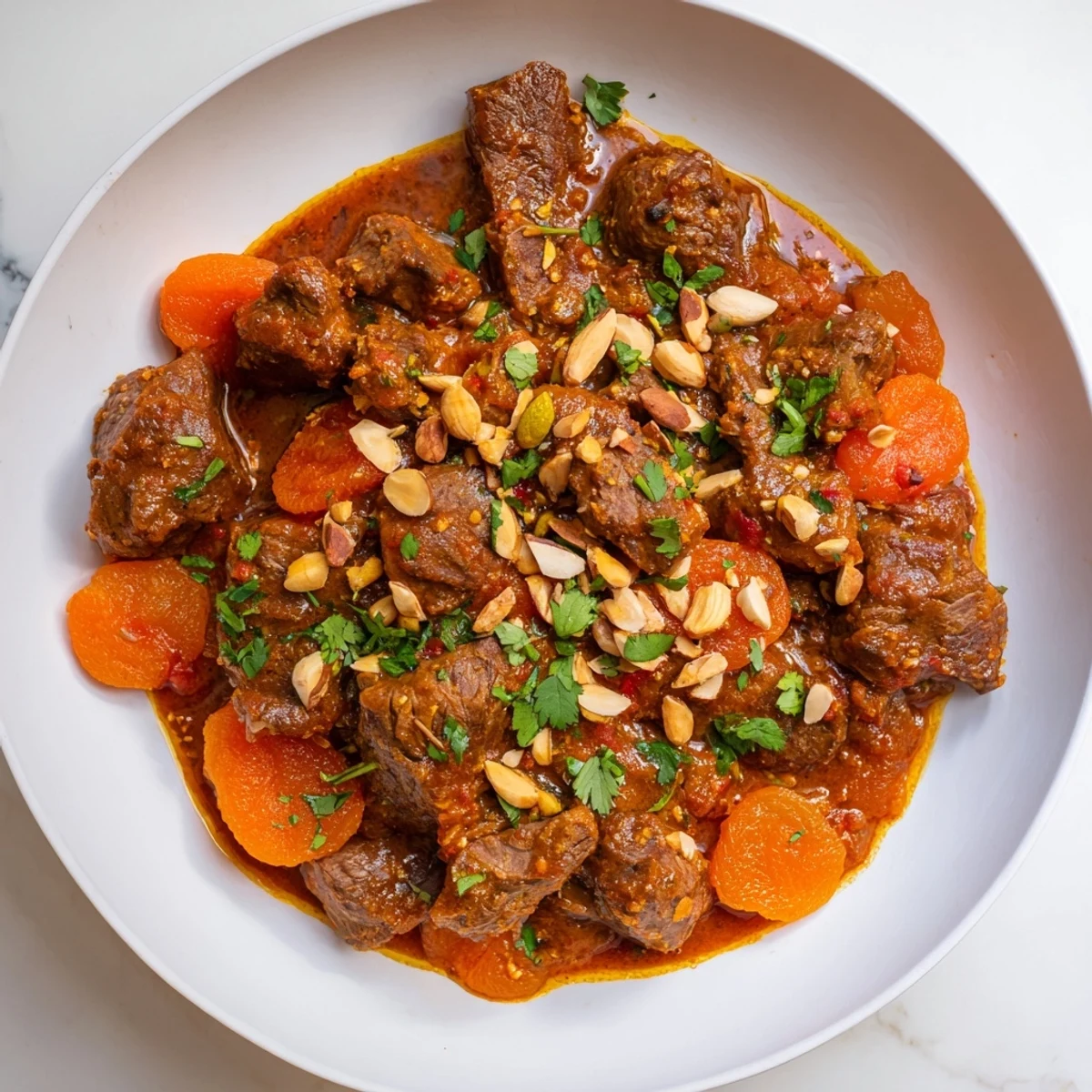
 This North African-inspired lamb tagine brings together tender lamb shoulder, dried apricots, and a fragrant blend of cumin, coriander, cinnamon, and more. Slowly simmered for hours, the dish develops rich layers of flavor with bright notes from lemon zest and fresh herbs. Toasted almonds add a satisfying crunch on top. Ideal served alongside couscous, rice, or flatbread, this comforting stew offers a perfect balance between sweet and savory elements, with an aromatic spice profile that warms the palate.
The first time I made a tagine, I was standing in my kitchen on a cold winter evening, craving something that felt like a warm embrace. I'd just discovered this North African stew at a market, watching steam rise from a conical clay pot, and I knew I had to recreate that magic at home. This lamb tagine with apricots became my gateway into slow-cooked cooking, teaching me that patience in the kitchen rewards you with layers of flavor that no quick meal ever could.
I remember the first time unexpected guests arrived just as this was finishing. I was nervous about serving something unfamiliar, but one bite and they were asking for the recipe. That's when I realized this dish has a way of making you look like a seasoned cook, even if you're just following your instincts and letting the oven do most of the work.
Ingredients
- 1.5 kg (3.3 lbs) boneless lamb shoulder, cut into 5 cm (2-inch) cubes: This cut becomes impossibly tender after slow cooking. I learned to ask the butcher to cut it for me, saving my knife arm and getting more consistent pieces.
- 2 medium onions, finely chopped: They dissolve into the sauce and build the foundation of flavor. Don't skip this step.
- 3 garlic cloves, minced: Fresh is non-negotiable here—it perfumes everything without overpowering.
- 2 medium carrots, sliced: They add natural sweetness and stay just tender enough to eat with a spoon.
- 1 can (400 g / 14 oz) diced tomatoes: Canned works beautifully and adds acidity that balances the sweet apricots.
- 150 g (1 cup) dried apricots, halved: Choose the softer kind if you can find them—they plump up into jewels of sweetness.
- 1 lemon, zested and juiced: The acid is your secret weapon for brightening everything at the end.
- 2 tbsp chopped fresh cilantro (plus extra for garnish): This one ingredient transports you straight to Morocco.
- 2 tbsp chopped fresh parsley: It adds freshness that cuts through the richness.
- 2 tsp ground cumin: Warm and earthy—the backbone of the spice profile.
- 2 tsp ground coriander: Citrusy and subtle, it rounds out the cumin beautifully.
- 1½ tsp ground cinnamon: Sweet spice that makes you close your eyes on the first sip of sauce.
- 1 tsp ground ginger: Adds a subtle heat and depth you can't quite name.
- 1 tsp smoked paprika: Brings a whisper of smoke without overpowering.
- ½ tsp ground turmeric: Just enough to add complexity and a golden hue.
- ½ tsp ground black pepper: Essential seasoning, nothing fancy.
- 1 tsp salt: Taste as you go—you may need slightly more depending on your broth.
- 1 pinch saffron threads (optional): If you have it, this lifts the whole dish into luxury territory.
- 3 tbsp olive oil: Good quality makes a difference in the browning step.
- 500 ml (2 cups) chicken or beef broth: Homemade is lovely, but quality store-bought works just fine.
- 2 tbsp honey: It deepens the sweetness of the apricots and glosses the sauce.
- 40 g (¼ cup) slivered almonds, toasted (for garnish): Toast them just before serving for maximum crunch and nuttiness.
Instructions
- Get Everything Ready:
- This is where I always pause. Take time to cut your lamb into even pieces—they'll cook at the same rate and turn silky. Chop your vegetables and lay out all your spices in little bowls. I know it feels like extra work, but it transforms the cooking from stressful to smooth.
- The Part Where Magic Happens (The Sear):
- Heat your olive oil until it shimmers, almost smokes. This is crucial. Working in batches so you don't crowd the pot, let each piece of lamb sit undisturbed for a minute or two. You want a deep golden crust—that's where the flavor lives. Listen for the sizzle and watch for that mahogany color. Once all the lamb is browned, transfer it to a plate and breathe in that aroma.
- Building the Flavor Base:
- Lower the heat slightly and add your onions and carrots to the same pot. Let them soften and start to caramelize—about 5 minutes. The bottom of the pot might have stuck-on bits of lamb, and that's exactly what you want. Add your minced garlic and let it bloom for just a minute until you can smell it clearly.
- The Spice Awakening:
- Pour in all your spices at once and stir constantly for about a minute. This is such a small thing, but it wakes them up and prevents that raw, dusty taste. Your kitchen will smell like a Moroccan spice market—warm, complex, inviting.
- Bringing It All Together:
- Return the lamb to the pot. Add your tomatoes, broth, lemon zest, and lemon juice. You're creating a simmer here, not a boil. Bring it to a gentle bubble, then cover and turn the heat down to low. This is where patience becomes your greatest ingredient.
- The Long Slow Cook:
- For 1½ hours, your kitchen does the work while you do other things. Stir occasionally if you think of it, but it's forgiving. You're looking for the lamb to be yielding and the sauce to be developing depth. The house will smell incredible.
- The Sweet Finale:
- Add your apricots and honey. The apricots will seem to absorb the sauce, but they're actually plumping up and infusing everything with sweetness. Let this simmer for another 30 minutes until the lamb is falling-apart tender and the sauce has thickened into something glossy and cling-worthy.
- The Last Touches:
- Stir in your fresh cilantro and parsley—they brighten everything and add a final layer of freshness. Taste it. Adjust the salt and pepper. This is your dish; make it taste like what you've been craving.
- The Grand Finale:
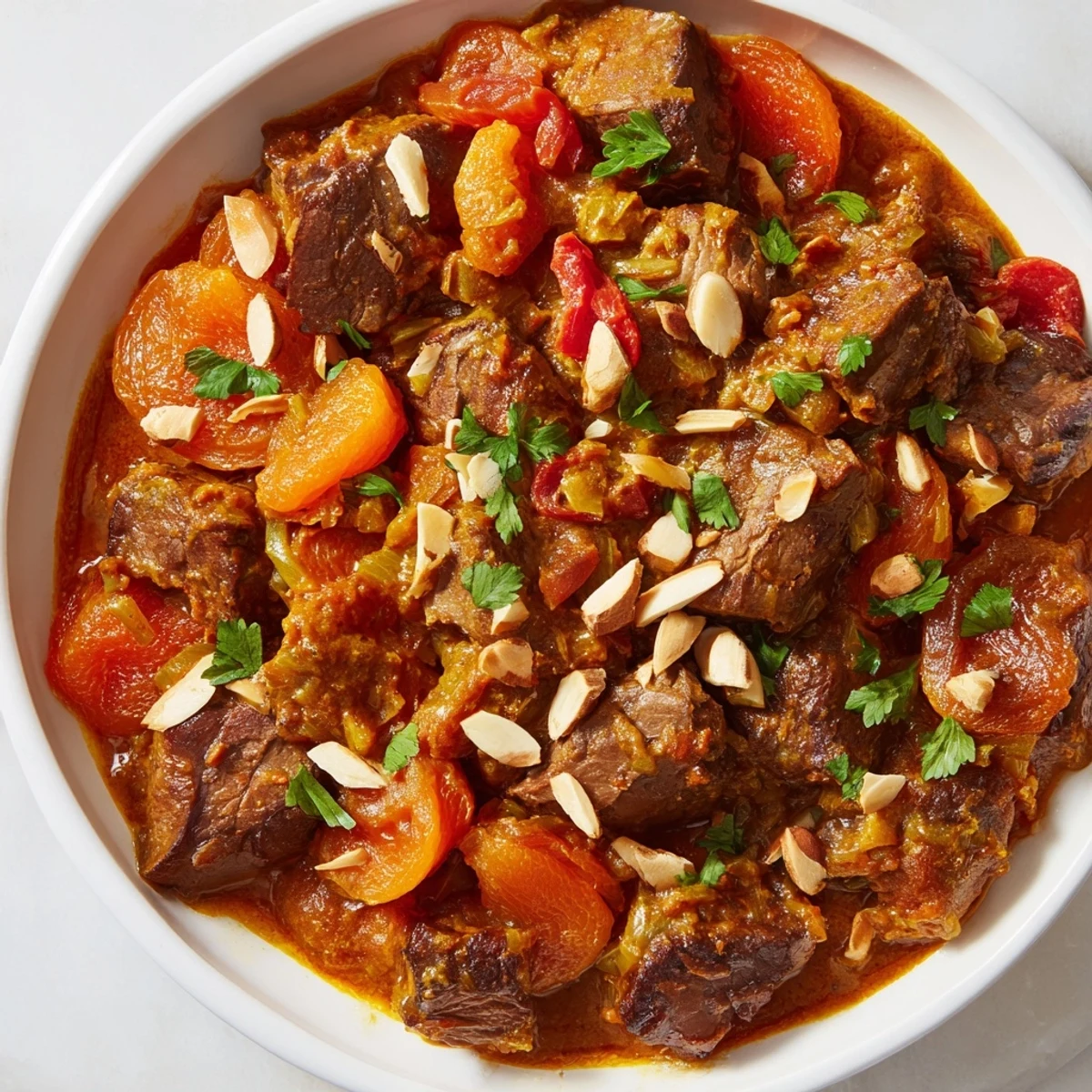
- Scatter toasted almonds and extra cilantro on top just before serving. This isn't just for looks—those almonds add a textural contrast that makes every spoonful interesting.
 Save to Pinterest
 There's something about serving this dish that transforms an ordinary dinner into something celebratory. Maybe it's because it asks you to slow down, to commit to cooking something that takes real time. The first time my mother tasted it, she closed her eyes and said it reminded her of traveling through Morocco as a young woman. That's when I understood—this isn't just food, it's a time machine served in a bowl.
Keeping It Fresh
Store leftovers in an airtight container in the refrigerator for up to 4 days. The flavors deepen as it sits, which is a gift. You can also freeze this for up to 3 months—just thaw it slowly in the fridge overnight and reheat gently on the stovetop with a splash of broth to refresh the sauce. I've found that freezing individual portions in mason jars makes weeknight dinners feel less planned and more like a happy surprise.
Serving Ideas That Clicked
This tagine wants to be served over something absorbent—steamed couscous is traditional and lets you soak up every drop of sauce, but fluffy rice or warm flatbread work beautifully too. I love adding a dollop of tangy yogurt on the side because it cuts through the richness in the most satisfying way. A simple green salad with lemon dressing alongside makes the meal feel complete and lighter than it actually is.
When You're Missing Something
Have already made it through your ingredient list and realized you're missing something? This dish is more forgiving than you'd think. No fresh cilantro? Use more parsley. Can't find dried apricots? Dried plums or figs bring similar sweetness. Don't have saffron? The dish is still magnificent without it—saffron is the luxury upgrade, not the foundation. Out of one of the spices? The others will carry it. This is a tagine, not a chemistry experiment.
- If you can't find a traditional tagine pot, a Dutch oven works just as well and actually heats more evenly
- Green olives added in the last 30 minutes add a briny contrast that some people swear makes this dish transcendent
- A pinch of cayenne pepper at the end gives it a subtle kick if you like that warmth
 Save to Pinterest
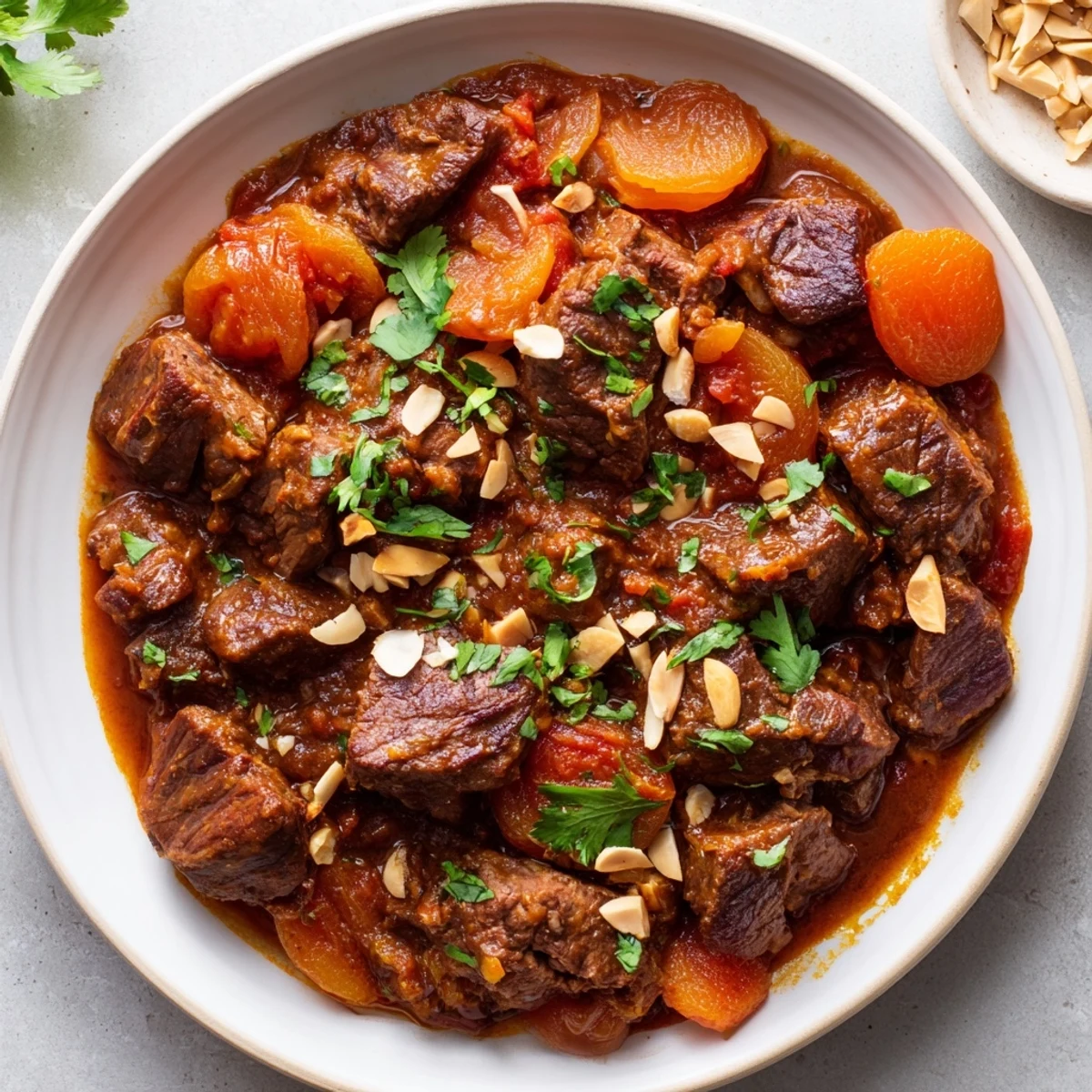
 There's a reason tagines have been made the same way for centuries—because they work, and because they taste like home. Make this when you want to tell someone you care with every spoonful.
Recipe Questions & Answers
- → What cut of lamb works best for this stew?
-
Boneless lamb shoulder cut into cubes is ideal, as it becomes tender and flavorful when slow-cooked.
- → Can I substitute dried apricots with other fruits?
-
Dried apricots provide a unique sweetness, but dried figs or prunes can also complement the spices well.
- → How can I achieve the best spice flavor in the stew?
-
Toast the spices briefly in the pot after sautéing vegetables to release their aromas before adding liquids.
- → Is it necessary to use a tagine for cooking this dish?
-
While a tagine is traditional, a large Dutch oven or heavy pot with a tight lid works perfectly fine.
- → What are good side options to serve with this lamb dish?
-
Steamed couscous, fluffy rice, or warm flatbread pair wonderfully, soaking up the flavorful sauce.
- → Can the dish be prepared in advance?
-
Yes, flavors deepen after resting overnight, making it ideal for preparing ahead and reheating.