
 Save to Pinterest
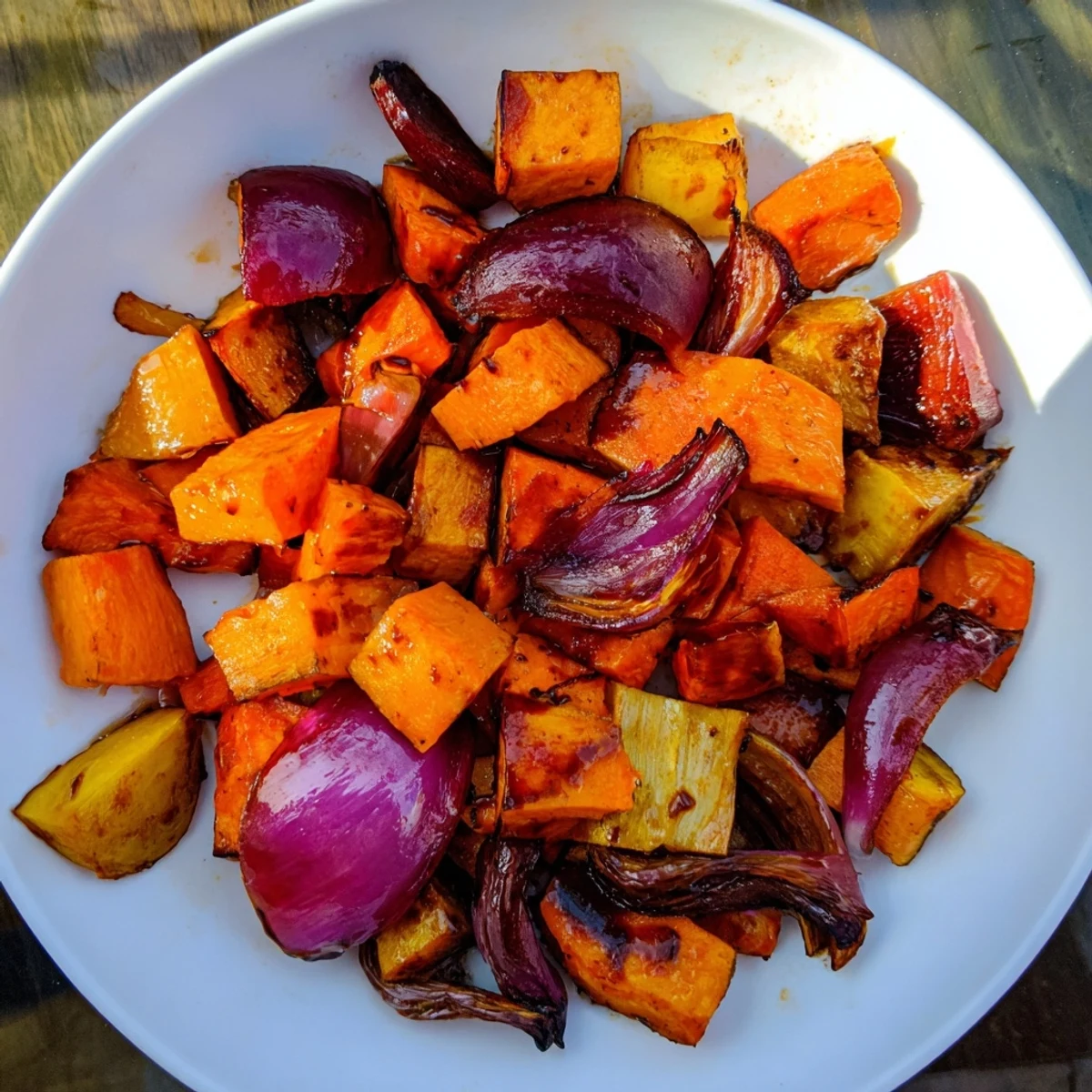
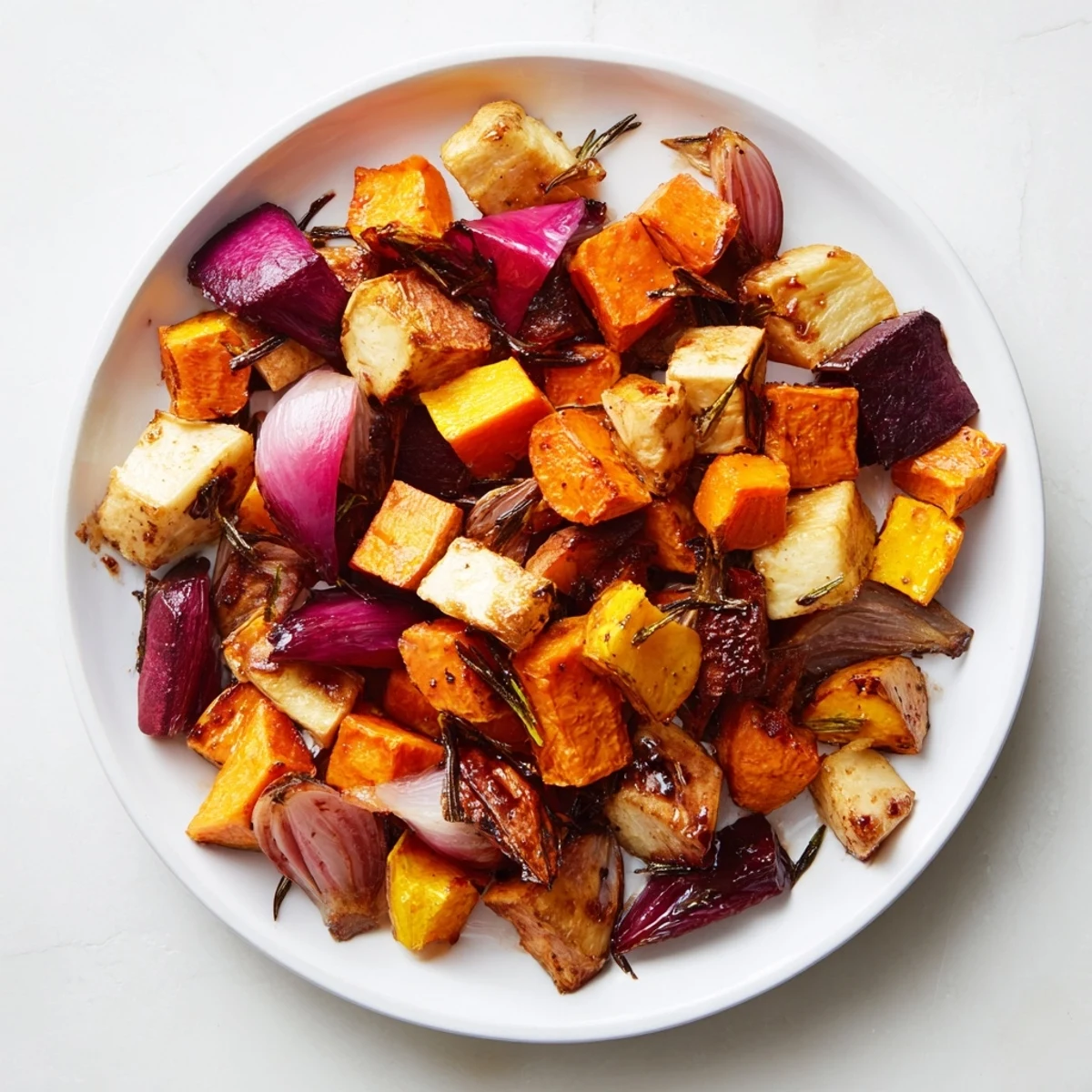
 A vibrant mix of carrots, parsnips, sweet potatoes, and beets are tossed in olive oil and herbs before roasting. Halfway through, a sweet and tangy balsamic glaze is drizzled for rich caramelized flavor. This side offers tender textures enhanced by thyme and rosemary, making it a delightful complement for many dishes. Simple techniques bring out natural sweetness and earthiness, creating a satisfying and wholesome vegetable medley.
I still remember the first time I roasted root vegetables with intention rather than as an afterthought. It was autumn, and I'd picked up a bunch of parsnips at the farmer's market without a real plan. That evening, I tossed them with whatever was in my crisper drawer—carrots, a sweet potato, some golden beets—drizzled everything with olive oil, and let the oven do its magic. The kitchen filled with this warm, caramelized aroma that felt like coming home. That simple sheet pan became my go-to whenever I needed something that looked impressive but required almost no effort.
There's something about watching vegetables transform in a hot oven. I had unexpected guests one evening, and instead of panicking about a side dish, I grabbed whatever root vegetables were lurking in my pantry. Forty minutes later, I pulled out this vibrant, glistening medley of roasted goodness. My guests kept asking what I'd done to make them taste so good. The secret? Just heat, time, and letting the vegetables' natural sugars caramelize. That moment taught me that simple techniques often yield the most impressive results.
Ingredients
- Carrots: I reach for medium ones because they're easier to cut consistently and roast evenly. Peel them completely so they caramelize beautifully without any tough spots.
- Parsnips: These are the vegetables that convinced me root vegetables could taste sweet and creamy. They're worth tracking down because they add a subtle earthiness that makes everything feel special.
- Sweet potato: This is your sweetness amplifier. I always use a large one and cube it so the pieces are similar in size to the other vegetables.
- Red onion: Cut into wedges so they hold their shape during roasting. The layers caramelize beautifully and add a slight sweetness that balances the earthiness.
- Golden beet: Optional, but I include it for color and that earthy depth. If you've never roasted beets before, this is the recipe that'll change your mind about them.
- Olive oil: This is where the magic starts. Use something you like the flavor of—it really matters here.
- Sea salt and freshly ground black pepper: These are non-negotiable. Fresh pepper makes such a difference in something this simple.
- Dried thyme and rosemary: These herbs whisper in the background, enhancing the vegetables' natural flavors without overpowering them. I've learned to not skimp here.
- Balsamic vinegar: The unsung hero. Make sure you're using actual balsamic vinegar, not the harsh imitation stuff. The quality really shows in the finished dish.
- Maple syrup or honey: This thickens the glaze and adds a subtle sweetness that makes everything sing together.
Instructions
- Get Your Oven Ready and Prep Your Pan:
- Start by preheating your oven to 425°F. While it's warming up, line a large baking sheet with parchment paper. This prevents sticking and makes cleanup almost enjoyable. The high heat is key—it's what gives those vegetables their gorgeous, caramelized exterior.
- Combine and Season Your Vegetables:
- In a large bowl, gather your cut carrots, parsnips, sweet potato chunks, red onion wedges, and beet if you're using it. Now comes the important part: drizzle generously with olive oil. You want them glistening but not swimming. Sprinkle the sea salt, pepper, thyme, and rosemary over everything, then toss with your hands or two spoons until every piece is lightly coated. Take a moment to smell this—it's already promising something delicious.
- Spread and Roast:
- Transfer the vegetables to your prepared baking sheet in a single layer. This is crucial—if they're crowded or overlapping, they'll steam instead of roast. Give them space to develop that caramelized crust. Slide them into the oven and roast for 30 minutes, stirring halfway through. You're looking for the edges to turn golden brown and the vegetables to start softening.
- The Part Where Magic Happens—Make Your Glaze:
- While the vegetables roast, combine your balsamic vinegar and maple syrup in a small saucepan. Set it over low heat and let it simmer gently for 3 to 4 minutes, just until it thickens slightly and becomes glossy. You'll notice the smell shifts from sharp vinegar to something warmer and more complex. This is when you know it's ready.
- The Final Flourish:
- After those first 30 minutes, pull the baking sheet out carefully. The vegetables should be starting to caramelize at the edges. Drizzle your warm balsamic glaze over everything and toss gently—you want to coat the vegetables without breaking them apart. Return them to the oven for another 10 minutes. This is when the glaze caramelizes with the vegetables, creating layers of flavor and that beautiful glossy finish that makes everyone's eyes light up when you bring the dish to the table.
- Serve with Warmth:
- Pull them out when the vegetables are fork-tender and the glaze is sticky and dark. If you have fresh herbs like parsley or thyme, scatter them over the top. It's a small gesture that adds a fresh note and makes the whole thing feel intentional. Serve while they're still warm—that's when the flavors are brightest and the textures are most satisfying.
 Save to Pinterest
 I made this dish for my grandmother one Sunday afternoon, and watching her close her eyes after the first bite reminded me why I love cooking. It wasn't fancy or complicated, just honest food that showed respect for the ingredients. Root vegetables have this quiet elegance when you treat them right—they don't need much, just heat and time and someone who believes they're worth the effort.
Keeping It Fresh
These roasted vegetables taste best served warm, but they're also wonderful at room temperature, which makes them perfect for meal prep. I often roast a big batch on Sunday and portion them out for the week. They pair beautifully with grain bowls, or alongside roasted chicken or fish. They also work as a filling for vegetarian sandwiches or wraps if you happen to have leftovers—though in my house, that rarely happens.
When You're Missing Something
One of the gifts of this recipe is how flexible it is. Don't have parsnips? Rutabaga slices are magnificent. No sweet potato? Regular potatoes work just fine, though you'll lose some of that natural sweetness. Turnips, celery root, and regular beets all belong on this sheet pan. The formula is simple: any root vegetable you like, olive oil, herbs, and heat. I've also discovered that adding whole garlic cloves or a pinch of smoked paprika takes this in interesting directions without changing the fundamental character of the dish.
Serving Ideas That Clicked
Over time, I've found this dish works in more situations than I initially imagined. It's the perfect side for a simple roasted chicken. It's the vegetable component in a satisfying Buddha bowl with quinoa and tahini dressing. I've even served it as the star of a vegetarian dinner alongside a warm grain salad. On cooler evenings, I sometimes add these to lentil soups or puree them into a creamy root vegetable soup. The balsamic glaze adds a sophisticated finish that elevates simple meals into something that feels intentional and special.
- Serve alongside roasted proteins for an elegant, complete meal
- Toss with grains and fresh greens for a hearty salad
- Layer into vegetarian sandwiches with a spread of your choice
 Save to Pinterest
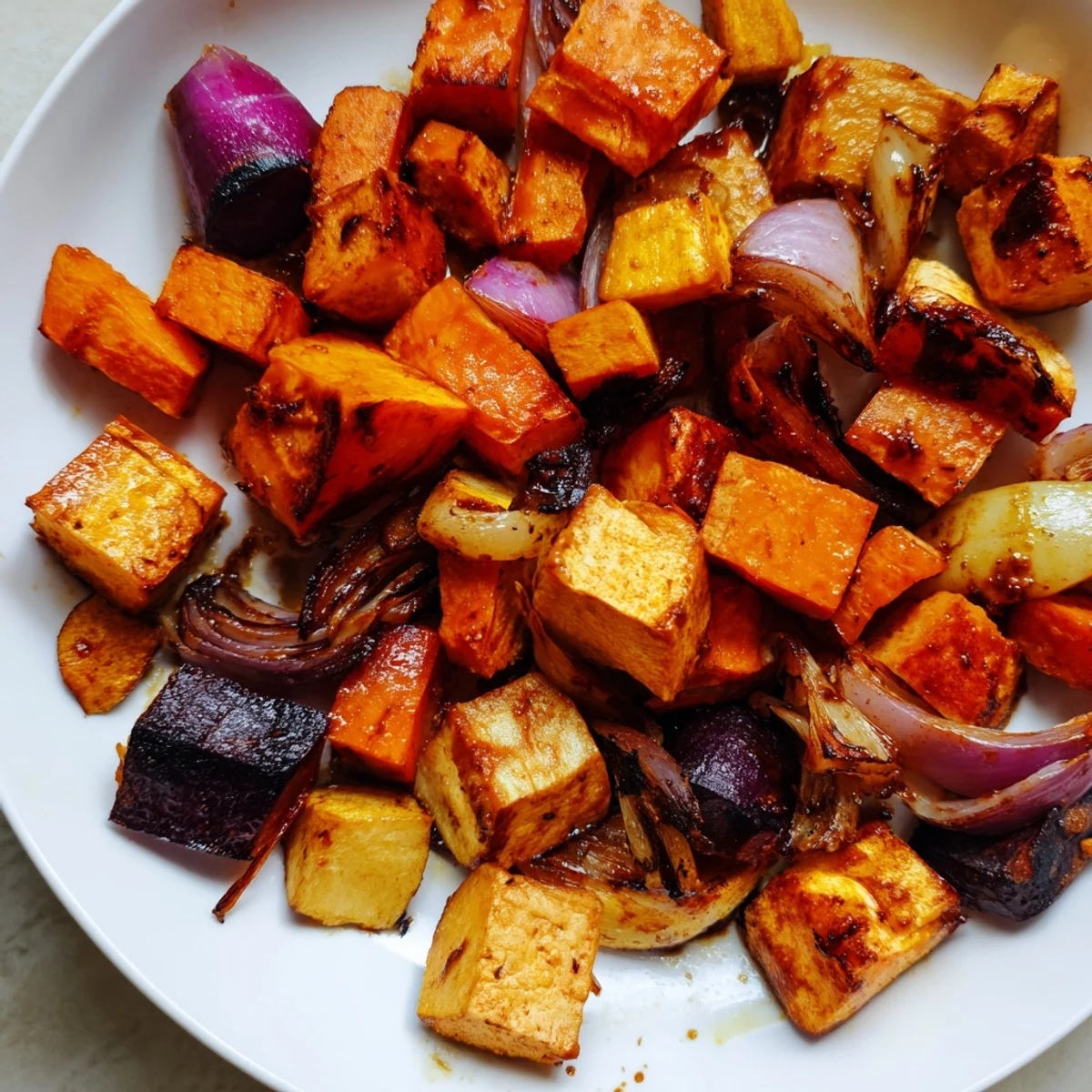
 This recipe reminds me that some of the best meals come from simple preparations and quality ingredients. There's real comfort in a plate of caramelized root vegetables finished with a balsamic glaze—it feels both humble and celebratory at the same time.
Recipe Questions & Answers
- → What vegetables are best for roasting in this dish?
-
Carrots, parsnips, sweet potatoes, red onions, and golden beets provide a balanced blend of sweet and earthy flavors that roast well together.
- → How does the balsamic glaze affect the vegetables?
-
The balsamic glaze adds a tangy sweetness that caramelizes during roasting, enhancing the natural flavors and creating a glossy finish.
- → Can I substitute other root vegetables for these?
-
Yes, turnips, rutabaga, or other root vegetables can be used to vary the flavor and texture while maintaining the dish’s essence.
- → How should I prepare the vegetables for even roasting?
-
Cut vegetables into uniform 1-inch chunks to ensure even cooking and caramelization during roasting.
- → What herbs complement this vegetable medley?
-
Dried thyme and rosemary add earthy, aromatic notes that pair beautifully with the natural sweetness of the root vegetables.
- → Is this dish suitable for special diets?
-
Yes, it’s naturally vegan, gluten-free, and can be adjusted for strict vegan needs by using maple syrup instead of honey.