
 Save to Pinterest
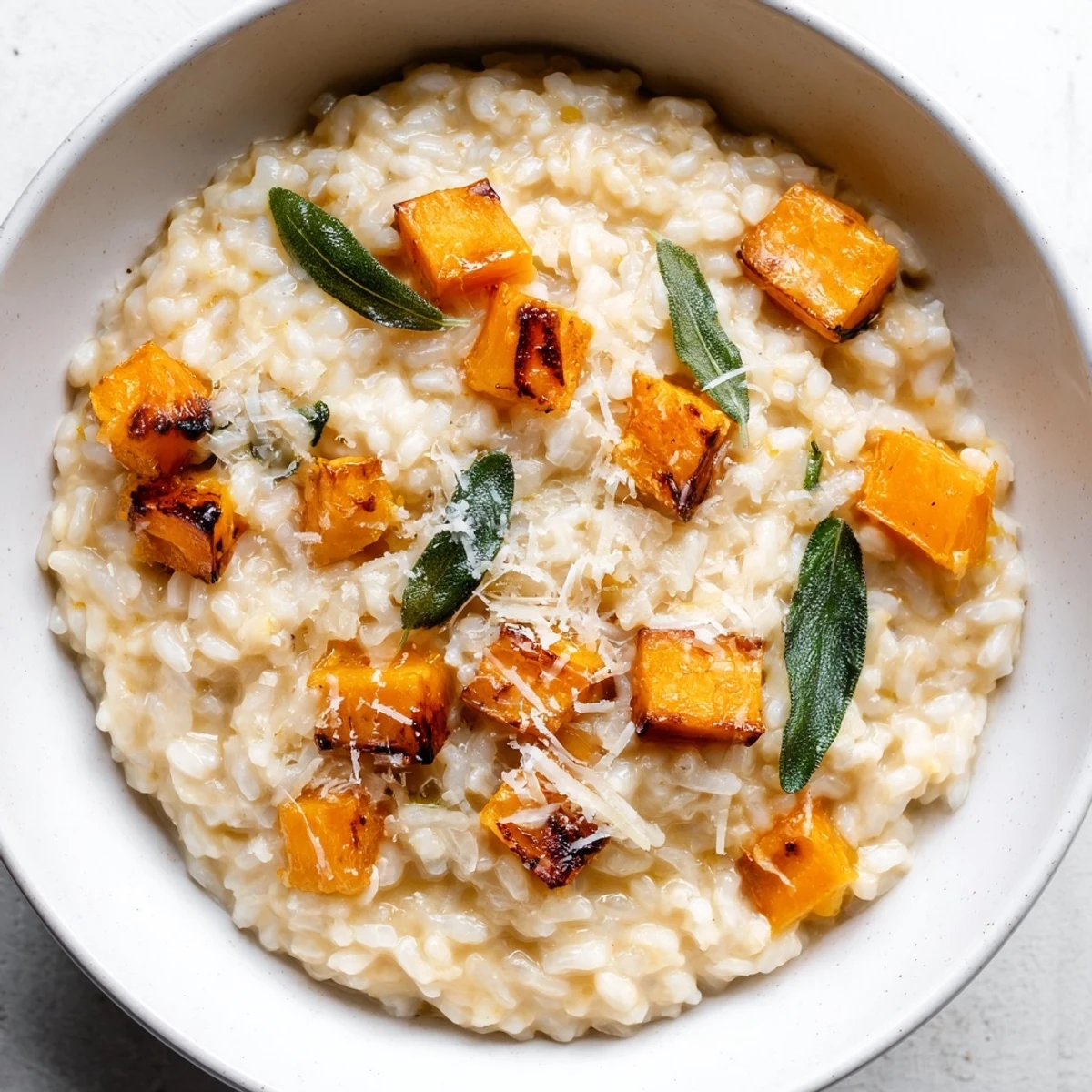
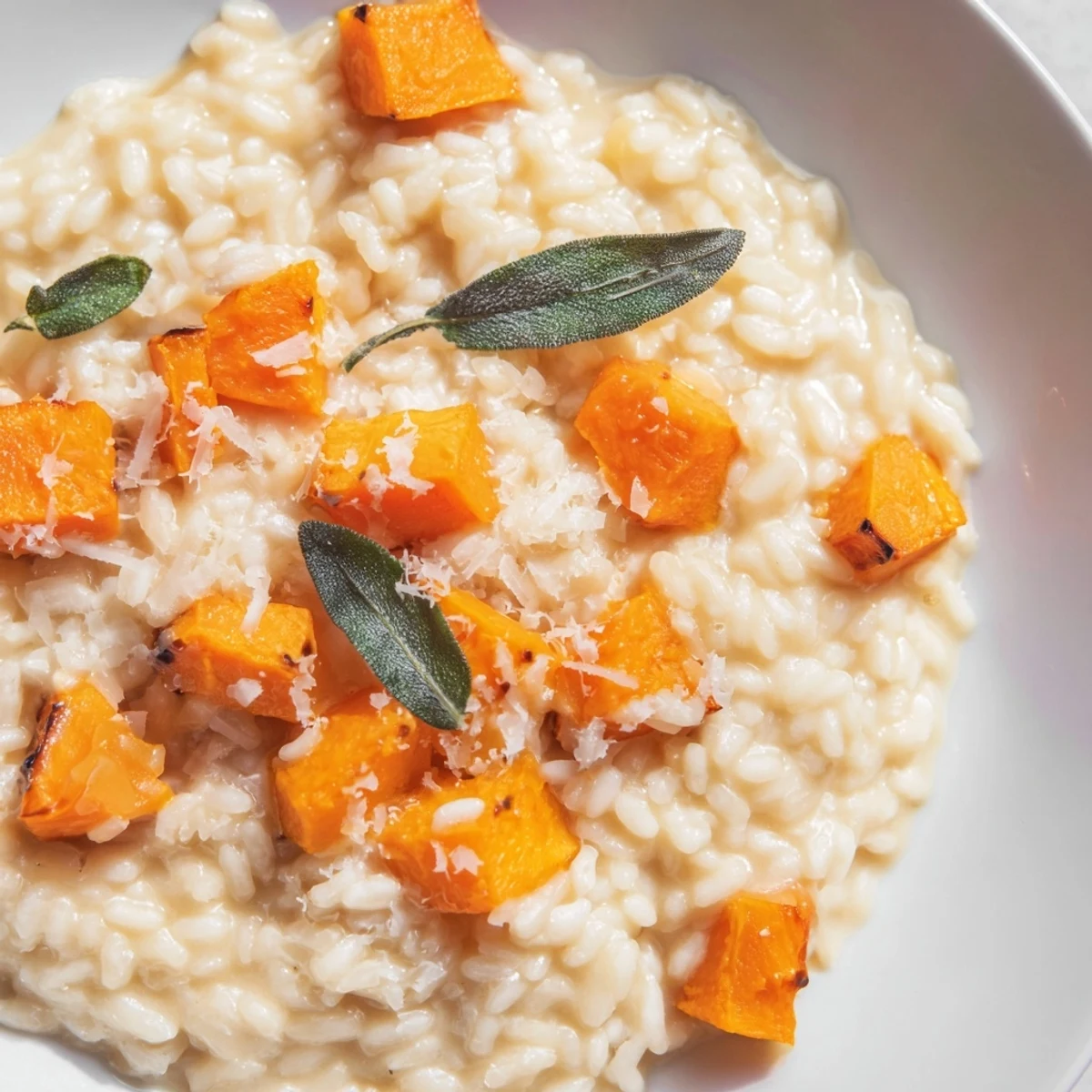
 This creamy risotto combines roasted butternut squash with Arborio rice for a comforting, elegant main course. Butternut squash is roasted until caramelized, then folded into a rich risotto base made with white wine, vegetable broth, and fresh sage.
The entire dish comes together in about an hour, with 20 minutes of prep and 40 minutes of cooking. Arborio rice releases its starches as it cooks, creating that signature creamy texture without heavy cream. Nutmeg adds warmth, while Parmesan provides umami depth.
Easily adaptable for dietary preferences—swap butter for plant-based alternatives for vegan, and verify broth for gluten-free cooking.
The autumn afternoon I developed this butternut squash risotto began with a silent promise to myself - to create something worthy of the season's first real chill. Rain tapped gently on the kitchen window as I carefully cubed that stubborn squash, my knife finally finding its rhythm. The transformation of those humble orange cubes into caramelized morsels of sweetness in my oven filled my kitchen with a scent that still draws me back to that day.
I first served this risotto at an impromptu dinner when my friend Caroline showed up unannounced after a breakup, her eyes red and puffy. We sat at my tiny kitchen table, the steam rising between us, and I watched as each bite seemed to bring her a moment of comfort. By the second helping, she was actually laughing at my terrible jokes again.
Ingredients
- Butternut Squash: Look for one with a long neck and small bulb for the most flesh and least seeds, and dont skip the roasting step - it concentrates the natural sugars in ways that simply adding raw squash to the risotto never could.
- Arborio Rice: This stubby grain is non-negotiable for proper risotto, as its high starch content creates that signature creamy texture without needing tons of added dairy.
- White Wine: Use something youd actually drink - the alcohol cooks out but the flavor compounds remain, adding a subtle acidity that cuts through the richness.
- Fresh Sage: The earthy, slightly peppery notes pair beautifully with butternut squash, but I discovered this after initially trying thyme and finding it didnt quite sing.
Instructions
- Roast the squash first:
- Spread your cubed butternut on a baking sheet with plenty of space between pieces so they roast rather than steam. The caramelization that happens at 425°F transforms their flavor from bland to complex.
- Prepare your battle station:
- Before starting the risotto, position your warm broth next to your cooking pot and have a ladle ready. This is not a recipe where you can walk away to prep other ingredients midway.
- Toast the rice:
- When you add the Arborio to the pot, let it toast for those full two minutes until the edges become translucent. This step builds flavor and helps the grains maintain their integrity during cooking.
- Master the liquid dance:
- Add broth one ladleful at a time, stirring frequently but not constantly. The rice should always be bubbling gently but never boiling hard.
- Know when to stop:
- Perfect risotto has a flowing consistency - not thick like mashed potatoes nor soupy like porridge. It should slowly spread when spooned onto a plate.
- Finish with flavor boosters:
- The roasted squash, Parmesan, sage and nutmeg go in at the end to preserve their distinct flavors. Taste and adjust seasoning only after the cheese has melted.
 Save to Pinterest
 Last November, my neighbor brought over a bottle of Pinot Grigio just as I was finishing this risotto, and we ended up sharing the pot while watching the first snowfall of the season. Now whenever I make this dish, I set an extra place at the table - some recipes simply call people to them.
The Secret to Perfectly Cooked Rice
After many batches of this risotto, Ive learned to judge doneness by texture rather than time. The rice should offer a slight resistance when bitten - what Italians call al dente - but shouldnt have a chalky center. If you run out of broth before reaching this stage, warm water works perfectly fine for those last additions.
Making It Ahead
One winter Sunday, I discovered you can partially cook this risotto up to the halfway point, spread it on a baking sheet to cool, then refrigerate. When ready to serve, return it to the pot, add hot broth, and continue the process. The texture isnt quite as perfect as making it all at once, but for entertaining or meal prep, this compromise has saved me countless times.
Seasonal Variations
While developing this recipe, I experimented with seasonal adaptations that kept the technique but changed the star ingredients. Spring calls for fresh peas and mint in place of squash and sage, while summer begs for roasted cherry tomatoes and basil.
- For a heartier autumn version, add crumbled Italian sausage that youve browned separately while the squash roasts.
- Replace half the squash with wild mushrooms for an earthy variation that pairs beautifully with a fuller-bodied red wine.
- Garnish with toasted pumpkin seeds or walnuts for a textural contrast that elevates the eating experience.
 Save to Pinterest
 This butternut squash risotto has become more than just dinner in my home - its a seasonal milestone we look forward to when the air turns crisp. Theres something profoundly satisfying about transforming humble ingredients into something that feels like a warm embrace on a plate.
Recipe Questions & Answers
- → What type of rice is essential for this dish?
-
Arborio rice is crucial because its high starch content creates the characteristic creamy consistency as it cooks. The rice grains remain slightly firm (al dente) while releasing starches that naturally thicken the risotto without cream.
- → Why should the broth be kept warm?
-
Warm broth is absorbed more gradually into the rice, allowing for better starch release and creamier texture. Cold broth can shock the cooking process and result in unevenly cooked, less creamy risotto.
- → Can I prepare the butternut squash ahead of time?
-
Yes, you can roast the squash up to 24 hours in advance and store it in an airtight container in the refrigerator. Reheat gently before folding into the finished risotto to maintain its texture.
- → How do I know when the risotto is done?
-
The rice should be creamy and tender but still have a slight firmness when bitten (al dente). The mixture should flow slowly on the plate without being soupy. This typically takes 18–20 minutes of stirring after adding broth.
- → What wines pair well with this dish?
-
Crisp white wines like Pinot Grigio or light Chardonnay complement the sweet squash and rich creaminess. Their acidity cuts through the richness and refreshes the palate between bites.
- → Can I make this dish dairy-free?
-
Absolutely. Use plant-based butter in place of unsalted butter and substitute dairy Parmesan with vegan cheese or nutritional yeast for a similar umami flavor and texture.