
 Save to Pinterest
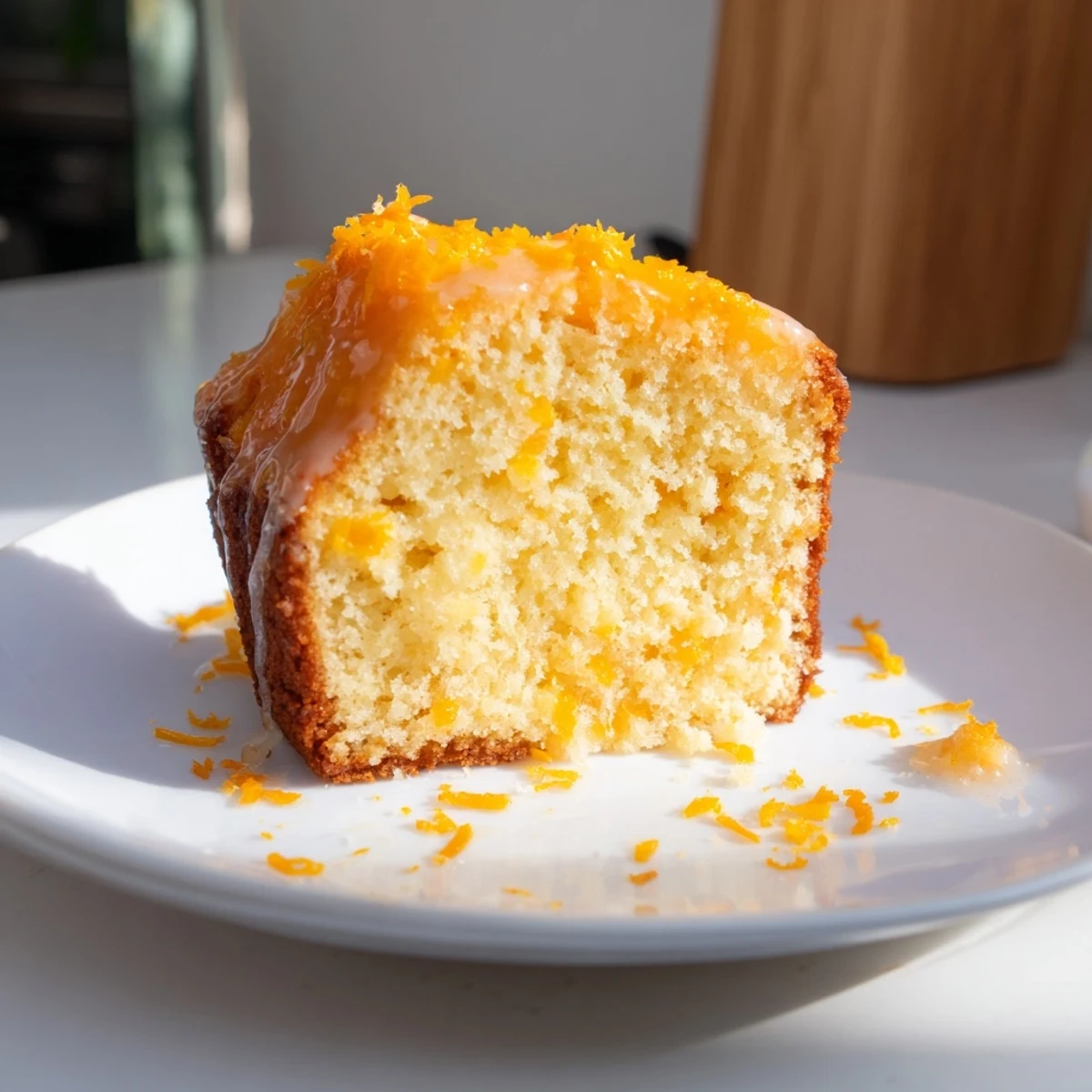
 This moist and fragrant cake combines fresh orange juice and zest with tender flour and sugar, creating a soft, flavorful treat. The gentle rise from baking powder and soda gives it a light texture, while the vegetable oil and eggs add richness. A simple powdered sugar glaze with orange juice adds a glossy, citrus brightness. Perfectly paired with afternoon tea or enjoyed as a sweet finish.
This cake's versatility allows for dairy-free swaps and spice additions like cardamom or cinnamon to enhance aroma and warmth. Baking is straightforward with basic tools, making it accessible for all skill levels.
There's something about the scent of orange zest hitting a hot pan that makes everything feel like Sunday morning, even on a Tuesday. I stumbled onto this cake years ago when a friend brought one to a potluck and barely left crumbs behind—I had to know the secret. What started as borrowed recipe notes turned into my own version after a few kitchen experiments, and now it's the cake I reach for when I want something that feels both comforting and bright.
I made this cake the morning my sister announced she was moving overseas, and we sat in the kitchen eating slices while talking about everything we'd miss. The conversation was bittersweet, but the cake somehow made it feel a little less heavy—there's real power in that.
Ingredients
- All-purpose flour (2 cups): This is your structure, so don't skip sifting or at least fluff it in the bag before measuring—packed flour changes everything.
- Baking powder and baking soda (2 tsp and 1/2 tsp): Together they create that tender crumb; baking soda especially reacts with the orange juice to give lift.
- Granulated sugar (1 cup): Whisk this with oil and eggs until it turns pale and fluffy—this step is where the magic starts, even though it doesn't look like much.
- Vegetable oil (1/2 cup): Oil keeps the cake impossibly moist; butter would make it drier and denser, which isn't what we want here.
- Eggs (2 large): They bind everything and add tenderness; room temperature eggs mix better than cold ones.
- Fresh orange juice and zest (1/2 cup juice, 2 tbsp zest): Don't even think about bottled juice—fresh oranges make all the difference, and the zest is where half the flavor lives.
- Whole milk (1/2 cup): This keeps the crumb tender and adds richness; use dairy-free if you need to, but the taste shifts slightly.
- Vanilla extract (1 tsp): Just enough to round out the flavor without announcing itself.
- Powdered sugar and orange juice for glaze (optional): The glaze adds shine and extra brightness, but the cake is perfect on its own too.
Instructions
- Prep your pan and preheat:
- Get the oven to 350°F and ready your 9-inch pan with grease and flour or parchment—this takes two minutes but saves your cake from sticking.
- Whisk the dry team:
- Combine flour, baking powder, baking soda, and salt in a medium bowl; you're just making sure everything is evenly distributed so you don't get surprise pockets of baking soda.
- Create the creamy base:
- Whisk sugar, oil, and eggs in a large bowl until the mixture turns pale and fluffy—this takes about two minutes and honestly feels good to do by hand or with a mixer.
- Add the orange magic:
- Stir in orange juice, zest, milk, and vanilla; the mixture will look a little curdled if you're using fresh juice, but that's normal and nothing to worry about.
- Fold everything together:
- Gently fold the dry ingredients into the wet mixture until just combined—overmixing develops gluten and makes the cake tough, so stop as soon as you don't see streaks of flour.
- Pour and bake:
- Transfer the batter to your prepared pan, smooth the top, and bake for 35-40 minutes until a toothpick comes out clean or with just a few moist crumbs clinging to it.
- Cool with patience:
- Let it rest in the pan for 10 minutes so it sets enough to handle, then turn it out onto a wire rack to cool completely before glazing or slicing.
 Save to Pinterest
 The first time I brought this cake to a work gathering, a colleague who never eats dessert asked for a second slice and admitted she doesn't usually like citrus cakes. It became this quiet moment where food did exactly what it's supposed to do—made someone happy in the most unexpected way.
Why Fresh Orange Matters
Bottled orange juice loses its brightness and sometimes tastes vaguely chemical, especially when heated in the oven. Fresh juice brings a real, alive flavor that tastes like you actually care—and your guests notice. Squeeze oranges the morning you bake if you can; the difference between fresh and day-old is small but real.
The Glaze Decision
The glaze is optional, but it adds visual polish and another layer of orange flavor that makes the cake feel special. If you skip it, the cake is still wonderful and you get to see the beautiful golden crumb inside without anything hiding it.
Serving and Storage
This cake actually tastes better the next day when the flavors have settled into each other. Store it covered at room temperature for three days, or wrap it well and freeze it for up to a month—I've done this countless times for unexpected gatherings.
- Serve slices with Earl Grey tea or a cappuccino for the full experience.
- If the cake dries out slightly, brush the slices with a little orange juice before serving to refresh them.
- It pairs unexpectedly well with Greek yogurt if you want something lighter than frosting.
 Save to Pinterest
 This orange cake has become the one I make when I want to feel like I'm giving someone a small, edible hug. It's foolproof enough that it never lets me down, but special enough that it always feels like a gift.