
 Save to Pinterest
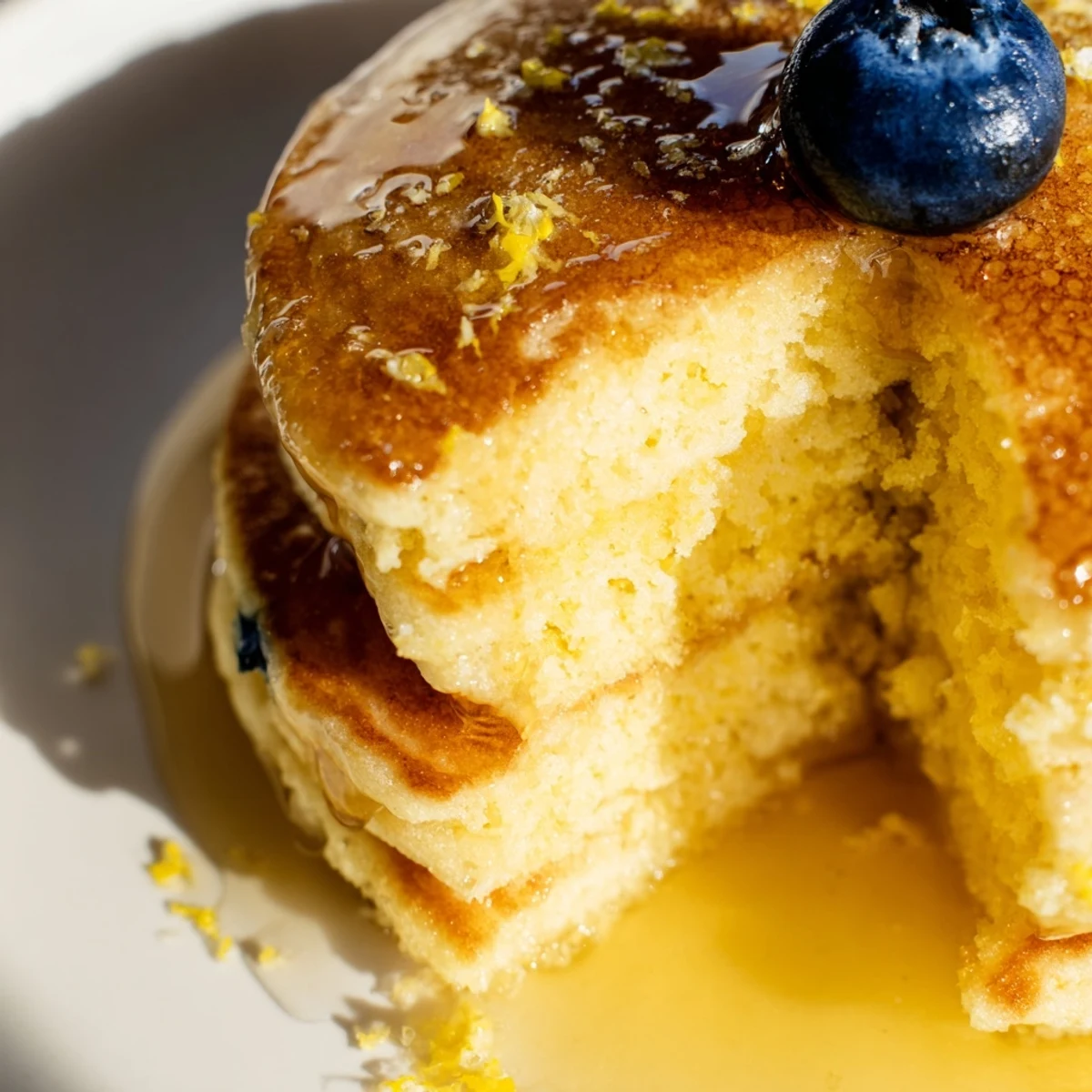
 These lemon ricotta pancakes offer a delightful balance of fluffy texture and tangy brightness, enhanced by fresh lemon zest and a drizzle of honey. The ricotta cheese gives them a creamy richness while whipped egg whites create extra fluffiness. Cooked on a griddle until golden, they’re a quick breakfast option ready in just 30 minutes. Serve warm, garnished with berries or extra lemon zest for a fresh finish.
I stumbled onto ricotta pancakes quite by accident one Sunday morning when I found a tub of fresh ricotta in the back of my fridge and realized I was out of buttermilk. A friend had brought it over days before, and I suddenly remembered how my grandmother used to sneak cheese into unexpected places in the kitchen. So I whisked it into the batter on a whim, added some lemon zest for brightness, and watched as the skillet turned out the fluffiest pancakes I'd ever made. That happy mistake became the breakfast I'd been chasing for years.
I made these for my partner's family one Easter morning, and I remember his mother asking for the recipe halfway through her second pancake with this look of genuine surprise on her face. There's something about serving someone a plate that's both comforting and a little bit fancy that lands differently than other breakfasts. We ended up making a double batch the next weekend, and now they're the first thing anyone asks for when they know I'm cooking brunch.
Ingredients
- All-purpose flour (1 cup): The foundation that gives structure; I always spoon and level mine into the measuring cup instead of scooping straight from the bag, which prevents the dense pancakes that happen when flour gets packed.
- Ricotta cheese (1 cup): This is where the magic lives; use whole milk ricotta if you can find it, as it's creamier and richer than the low-fat versions.
- Eggs (2 large, separated): The yolks add richness while the whipped whites create the airy crumb that makes these special; don't skip separating them.
- Fresh lemon zest (from 1 large lemon): Zest before you juice, and use a microplane for the finest, most flavorful result.
- Lemon juice (2 tbsp): Fresh is essential here; bottled juice tastes flatter and won't give you that bright, tart edge.
- Melted butter (2 tbsp): Let it cool for a minute before adding so it doesn't scramble the eggs.
- Whole milk (3/4 cup): This keeps the batter tender and loose, which is what you want for pancakes that cook through evenly.
- Baking powder and baking soda (1 tsp and 1/2 tsp): Together they create lift; baking soda reacts with the lemon juice, so don't mix your dry ingredients too far ahead.
- Honey (for serving): Warm it gently if you have time; cold honey stays pooled on the plate instead of soaking in.
Instructions
- Whisk your dry team:
- Combine flour, sugar, baking powder, baking soda, and salt in a medium bowl and give it a thorough mix so the leavening agents are evenly distributed.
- Build the creamy base:
- In a larger bowl, stir together ricotta, milk, egg yolks, cooled butter, lemon zest, lemon juice, and vanilla until smooth and well combined. This wet mixture should be pourable but thick.
- Bring them together gently:
- Add the dry ingredients to the wet mixture and fold everything together with just a few careful strokes; lumps are your friend here because overmixing develops gluten and makes pancakes tough instead of tender.
- Whip your egg whites into clouds:
- In a separate, completely clean bowl, beat the egg whites with a whisk or hand mixer until soft peaks form, which means when you lift the whisk the peaks curl gently over. These whites are pure air and structure.
- Fold without deflating:
- Gently fold the whipped whites into the batter in two additions, using a spatula to lift from the bottom and turn over rather than stirring, preserving all those delicate bubbles you just created.
- Get your pan ready:
- Heat a nonstick skillet or griddle over medium heat and lightly grease it with butter or oil; you want just enough that the pancakes won't stick, not so much that they swim.
- Cook with patience:
- Pour 1/4 cup of batter for each pancake, and wait for the surface to bubble and the edges to look set and slightly dry, about 2 to 3 minutes. Flip gently and cook another 1 to 2 minutes until golden and set through.
- Serve while warm:
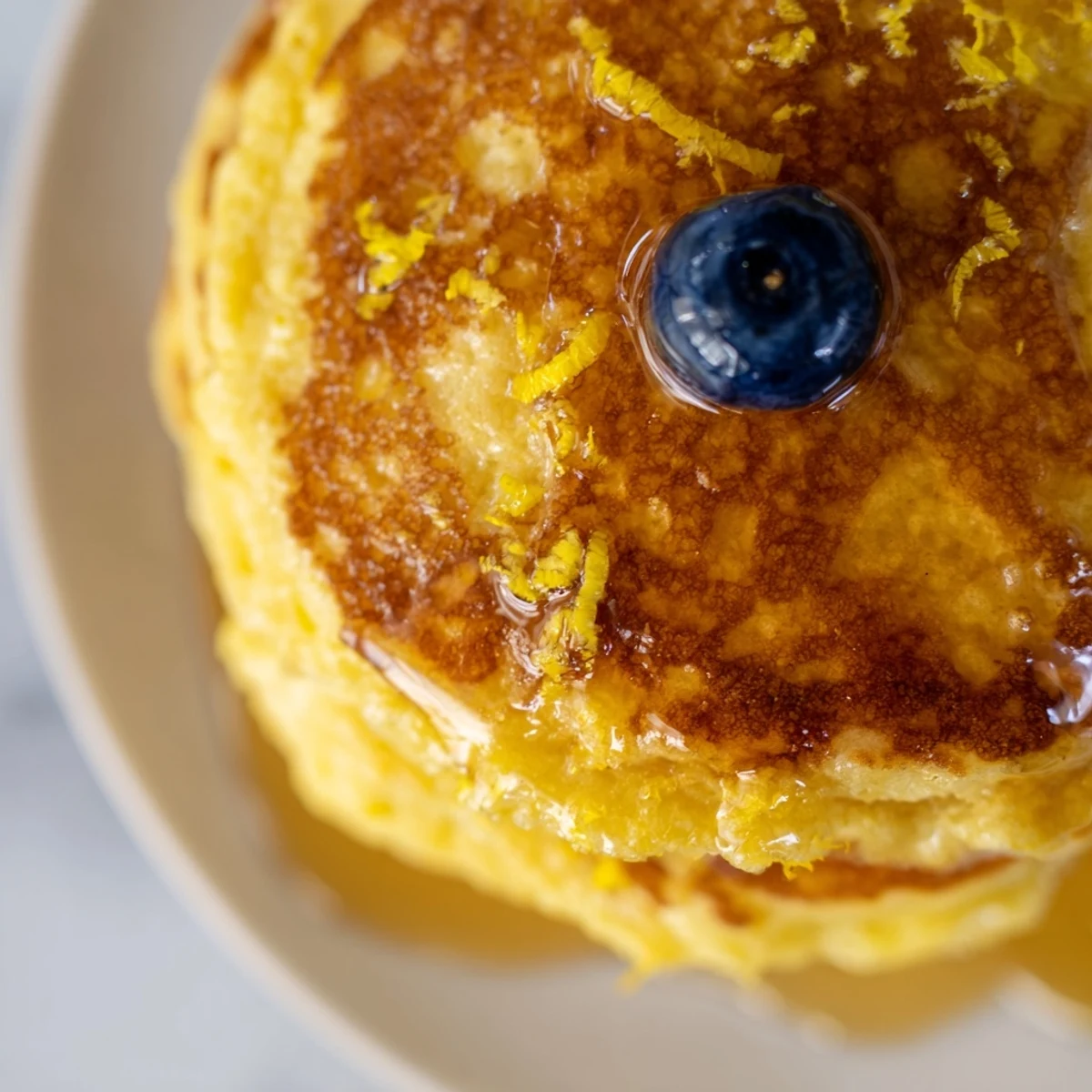
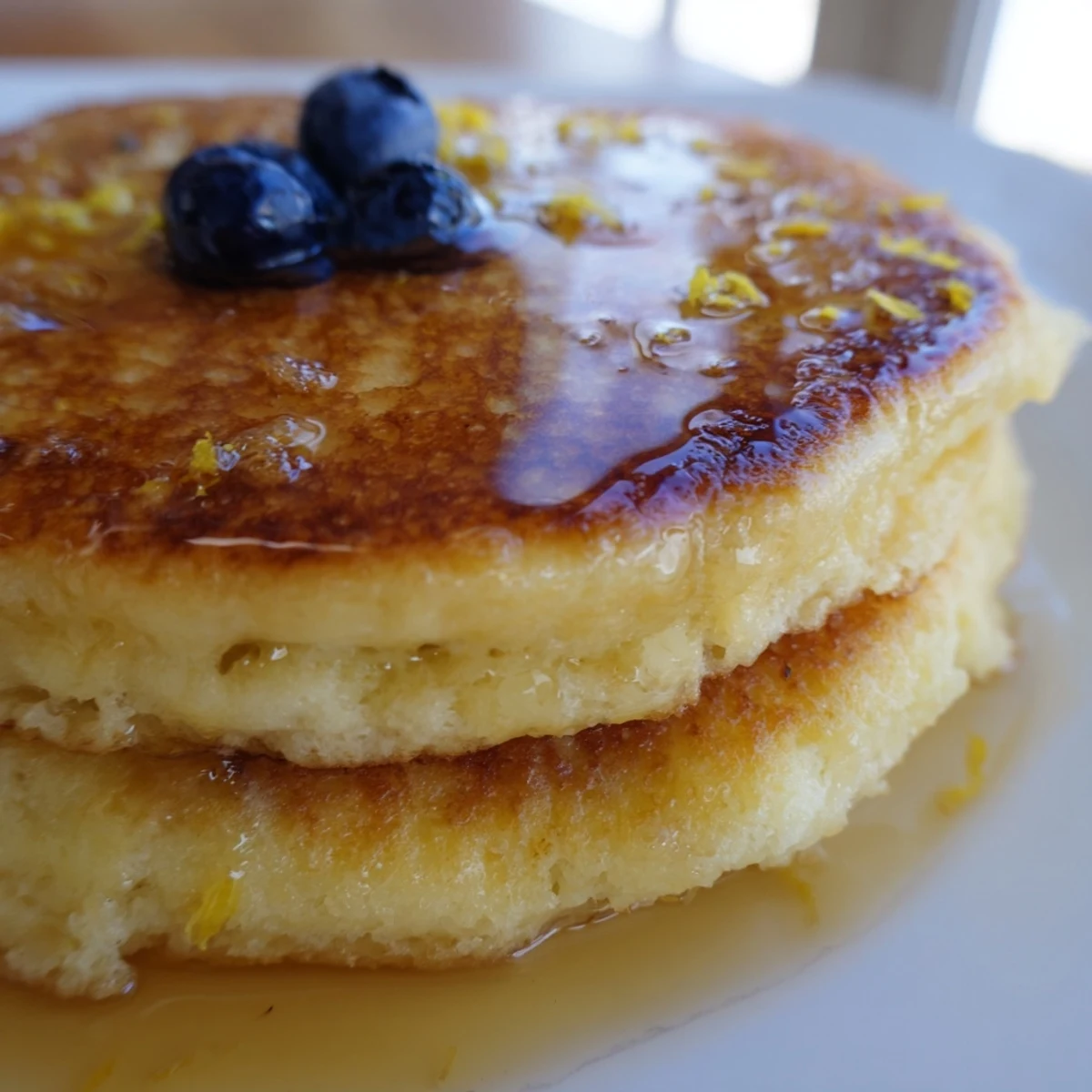
- Stack them on a plate, drizzle with warm honey, and scatter with fresh berries and extra lemon zest if you have them.
 Save to Pinterest
 There was an afternoon when a friend called to say she was having a rough week, and I asked her over for breakfast for dinner, making these pancakes under lamplight. She took one bite and just closed her eyes, and suddenly we weren't talking about whatever was bothering her; we were just talking about how good it felt to sit together and eat something made with care. That's when I knew these pancakes were about more than technique or ingredients.
The Lemon That Makes the Difference
The lemon in these pancakes isn't just a flavoring; it's a balancing act that keeps them from tasting rich or one-note. I've learned to use the zest generously because that's where the brightness lives, and the juice does something chemistry-wise with the baking soda that makes everything rise a little higher. If you skip the lemon or use just a tiny pinch, you'll still have good pancakes, but they won't have that signature snap of flavor that makes people ask for the recipe.
Making Them Your Own
These pancakes are a canvas, even though I'm giving you the classic version. I've added blueberries, folded in a handful of raspberries, and once I stirred in a pinch of cardamom because I had some and was curious. The ricotta base is so forgiving that you can play around as long as you respect the structure and don't overmix.
Timing and Temperature Tricks
The pan temperature matters more than you'd think; too hot and the outside burns before the inside cooks, too cool and they spread instead of puff. I like to test the griddle with a drop of water, and if it sizzles and dances, I'm ready. One thing I've noticed is that the first pancake on a new skillet is often a sacrificial offering; use it to adjust your heat while you figure out the rhythm.
- Let your ricotta and eggs come to room temperature if you remember, which actually helps them incorporate more smoothly and cook more evenly.
- Honey is best drizzled warm over warm pancakes because it flows like silk instead of sitting in stiff pools on top.
- If you're not eating them immediately, keep finished pancakes warm on a plate in a 200-degree oven while you finish the batch.
 Save to Pinterest
 These pancakes have become my answer to almost every breakfast question, the ones I make when someone needs comfort or celebration or just a really good Sunday morning. There's something about serving something this fluffy and bright that always lands right.
Recipe Questions & Answers
- → How do ricotta and lemon affect the pancake texture?
-
Ricotta adds moisture and creaminess, resulting in a tender crumb, while lemon zest and juice provide a fresh, tangy brightness that balances the richness.
- → Why is whipping egg whites important for these pancakes?
-
Whipping egg whites incorporates air, creating a light and fluffy texture that lifts the batter for soft, airy pancakes.
- → Can I substitute honey with other toppings?
-
Yes, maple syrup works well as a natural sweetener, and fresh berries can add a fruity contrast to the flavors.
- → What is the best way to cook these pancakes?
-
Use a nonstick skillet or griddle on medium heat, cooking until bubbles form and edges set before flipping for an even golden color.
- → Are these pancakes suitable for a vegetarian diet?
-
Yes, these pancakes contain no meat or fish, making them suitable for vegetarians.