
 Save to Pinterest
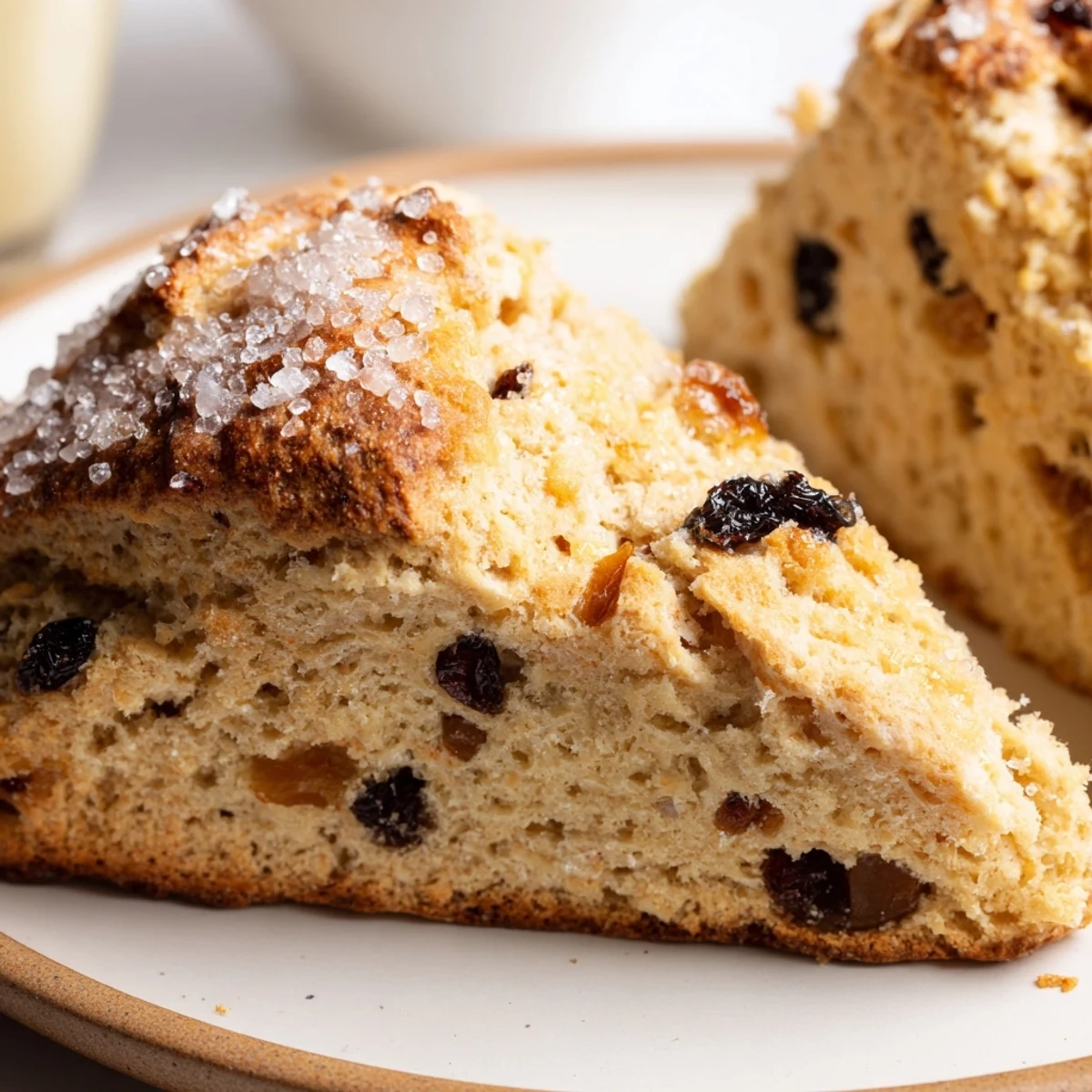
 These scones echo the classic Irish soda bread, delivering a tender, buttery texture filled with sweet currants. Made with a mix of all-purpose and whole wheat flours, baking soda and powder for lift, and finished with a crunchy, golden crust. Ideal for breakfast or an afternoon snack, they combine rustic charm with a subtle sweetness. Simple steps include mixing cold butter into dry ingredients, folding in currants, and baking until light and golden brown. Serve warm or at room temperature for a comforting treat.
My tiny apartment kitchen smelled like heaven the first morning I made these. The whole wheat flour gives them this earthy depth that reminds me of proper Irish bakeries, while the currants offer little bursts of sweetness throughout. I hadnt intended to experiment that day, but my regular scone recipe felt a bit flat, so I started adding things.
My grandmother visited from Cork last spring and ate three warm ones straight from the oven, declaring them better than anything shed had in years. Thats when I knew this recipe wasnt just another experiment—it was going into the permanent collection. Now theyre the first thing I reach for when I want something that feels special but doesnt require hours of work.
Ingredients
- All-purpose flour: Forms the tender base of these scones while providing structure for the rise
- Whole wheat flour: Adds a lovely nuttiness and heartiness that balances the sweetness
- Granulated sugar: Just enough to lightly sweeten without overpowering the buttermilk tang
- Baking soda and baking powder: Work together for that characteristic soda bread lift and golden crust
- Fine sea salt: Enhances all the flavors and balances the sweet currants
- Cold unsalted butter: Creates flaky layers when it melts during baking—keep it cold until the moment it hits the flour
- Buttermilk: Provides tang, tenderness, and reacts with the soda for the perfect rise
- Egg: Adds richness and helps bind everything together beautifully
- Coarse sugar: Optional but creates this irresistible crackly topping that catches the light
Instructions
- Preheat your oven:
- Get it to 400°F and line a baking sheet with parchment paper so nothing sticks and cleanup is effortless
- Whisk the dry ingredients:
- In a large bowl, combine both flours, sugar, baking soda, baking powder, and salt until everything is evenly distributed
- Cut in the cold butter:
- Using your fingertips or a pastry cutter, work the butter into the flour until you have coarse crumbs with some pea-sized pieces remaining—those bits become flaky pockets
- Add the currants:
- Stir them in gently so theyre evenly dispersed throughout the dough
- Mix the wet ingredients:
- In a separate bowl, whisk together the buttermilk and egg until combined
- Bring it together:
- Pour the wet ingredients into the dry and stir just until a shaggy dough forms—it will look messy and that is exactly right
- Shape the dough:
- Turn it out onto a lightly floured surface and pat into a round about one inch thick, handling it as little as possible
- Cut and transfer:
- Slice into eight wedges and move them to your prepared baking sheet with some space between them
- Add the finishing touches:
- Brush the tops with a little buttermilk and sprinkle with coarse sugar if you want that sparkle and crunch
- Bake to golden:
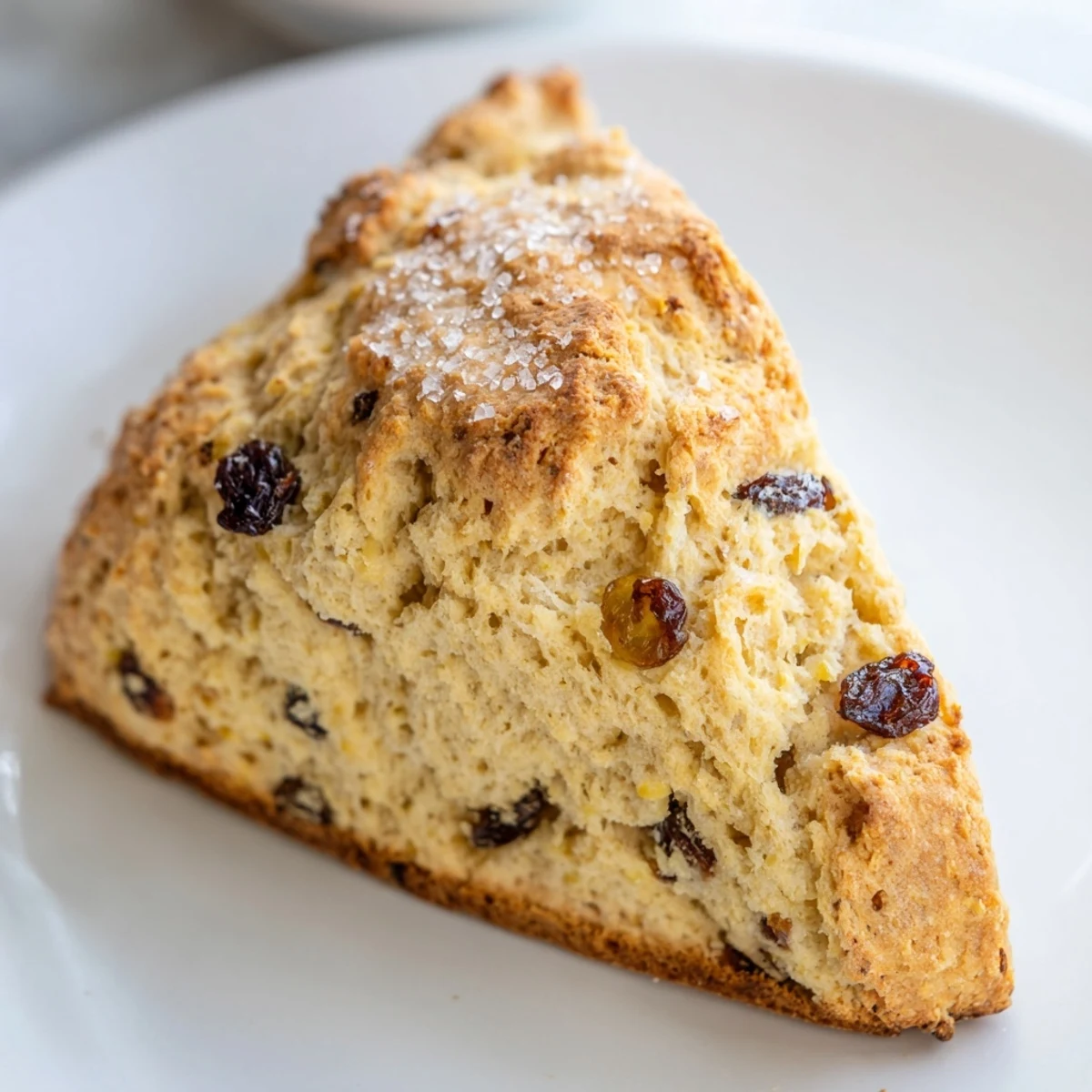
- Slide them into the oven for 18 to 20 minutes until theyre beautifully browned and a toothpick comes out clean
- Cool slightly:
- Let them rest on a wire rack for a few minutes before serving—warm is wonderful, but they need just a moment to set
 Save to Pinterest
 Last month, I made a batch for a rainy Sunday morning and my roommate sat at the counter eating them warm with butter and honey, quiet and content. That moment of simple comfort, rain against the window and steam rising from fresh scones, reminded me why I started baking in the first place. Food this honest does something to people.
Getting That Perfect Rise
The chemistry between buttermilk and baking soda is what gives Irish soda bread its signature lift. Make sure your baking soda is fresh—if its been sitting in your pantry for years, it might not activate properly. The reaction happens quickly once the wet ingredients hit the dry, so have your oven ready and work efficiently.
Mix-in Magic
While currants are classic, this dough is incredibly forgiving. Ive used dried cranberries during holidays and chopped dates when I wanted something more caramel-like. Just keep the ratio the same so you dont upset the moisture balance. Sometimes I add a teaspoon of orange zest to brighten everything up.
Serving Suggestions
These deserve to be treated well. Slather them with Irish butter while theyre still warm—that first bite with melting butter is pure magic. Theyre also exceptional split and topped with clotted cream and jam for a proper cream tea experience. For something savory, try them with a sharp cheddar and a little apple butter.
- Freeze unbaked wedges on a baking sheet, then transfer to a bag and bake from frozen, adding a few minutes to the time
- If your buttermilk has been sitting in the fridge for weeks, give it a sniff—it should smell pleasantly tangy, not off
- Room temperature ingredients might seem easier, but cold is what creates those tender, flaky layers you want
 Save to Pinterest
 Theres something deeply satisfying about a recipe that connects you to generations of bakers while feeling entirely your own. I hope these scones find their way into your kitchen and your heart.
Recipe Questions & Answers
- → What makes these scones tender?
-
The cold butter cut into the flour creates a flaky texture, while the buttermilk provides moisture and acidity for tenderness.
- → Can I substitute currants with other dried fruits?
-
Yes, raisins or dried cranberries work well as alternatives without altering the texture significantly.
- → How can I get a golden crust on the scones?
-
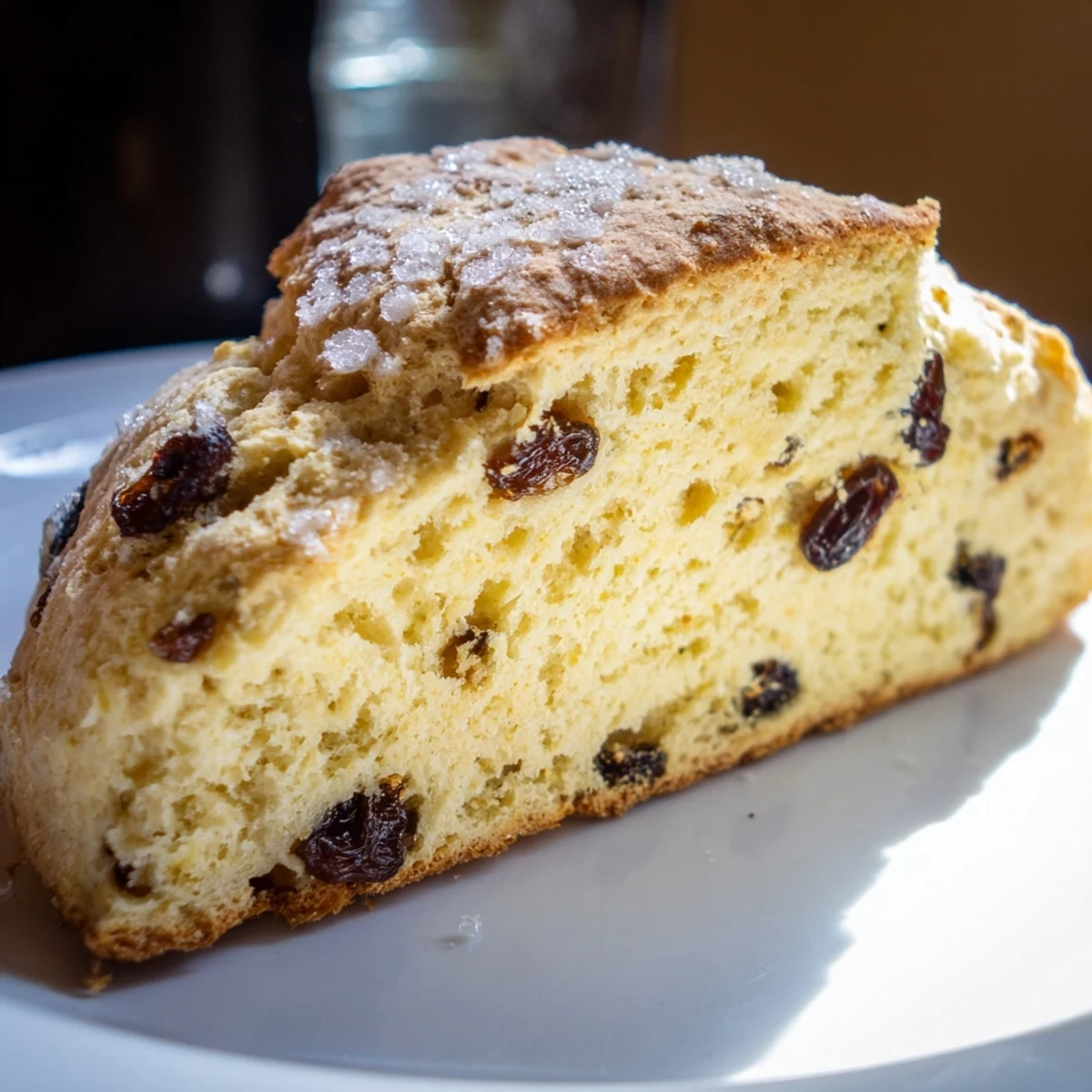
Brushing the tops with buttermilk and sprinkling coarse sugar before baking helps achieve a shiny, golden finish.
- → What is the best way to mix the dough?
-
Gently fold wet ingredients into dry without overmixing to maintain a flaky, tender crumb.
- → Can these scones be frozen?
-
Yes, freeze baked scones and reheat gently in the oven to enjoy later without loss of flavor or texture.