
 Save to Pinterest
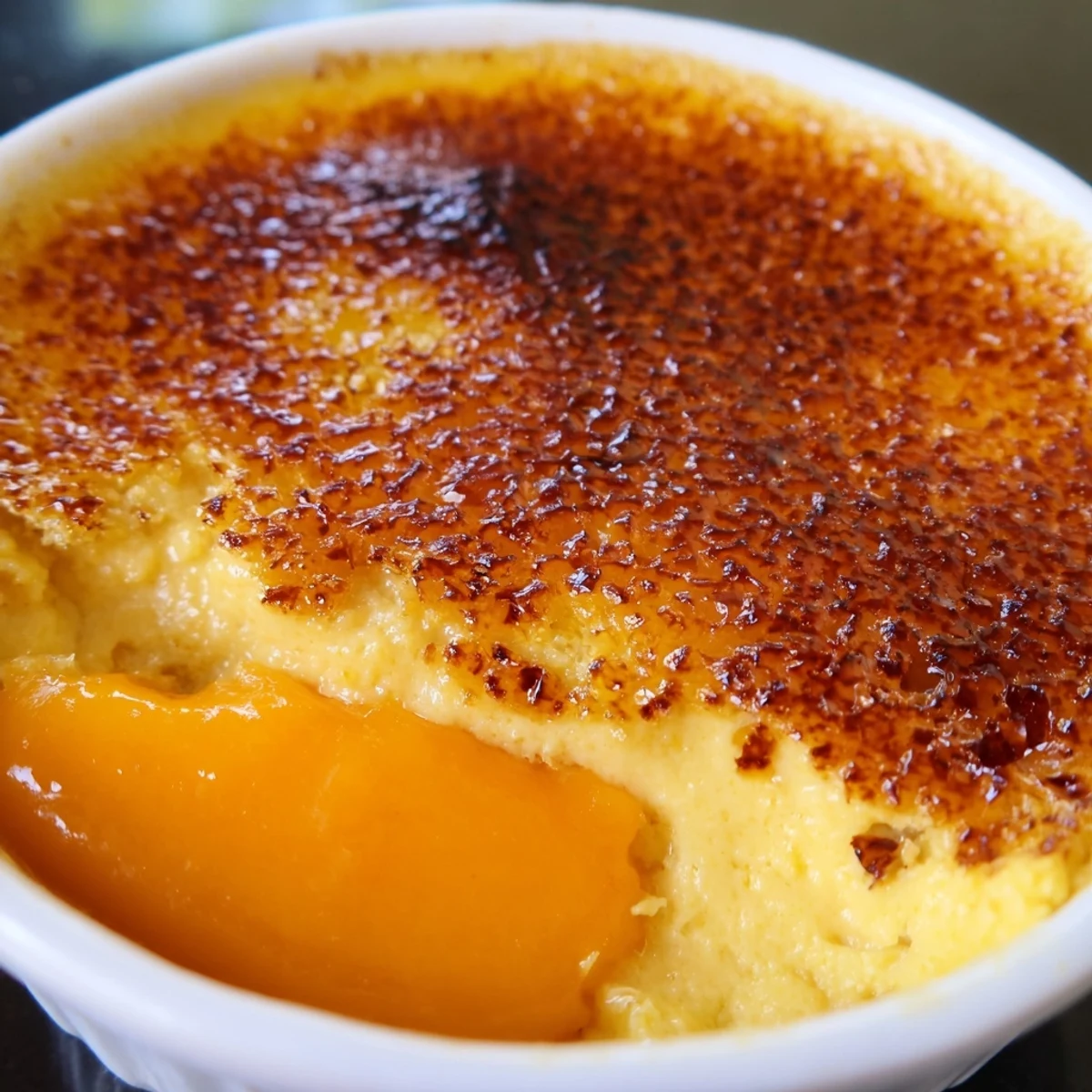
 This elegant French dessert combines sweet persimmon puree with a rich vanilla custard, creating layers of silky luxury beneath a perfectly caramelized sugar crust. The vibrant orange fruit adds delicate sweetness and seasonal flair to the classic preparation.
Preparing this dessert requires patience but rewards with restaurant-quality results. The persimmon base provides a fruity foundation, while the custard brings creamy depth. A final torching creates the signature crackling caramelized topping that makes crème brûlée irresistible.
My neighbor's persimmon tree hangs heavy every November, and she presses paper bags into my hands until my kitchen counter is buried in orange fruit. I'd made the classic custard version dozens of times, but that first afternoon when I swirled persimmon puree into the base felt like discovering something entirely new. The way the fruit's honeyed sweetness plays against that signature burnt sugar crust still stops conversation at my dinner table.
Last winter I served these at a dinner party when my friend Sarah announced she'd never had crème brûlée before. Watching her crack through that burnt sugar top with her spoon, her eyes widening at the contrast between warm caramel and cool, creamy custard—that's exactly why I bother with the fussy water bath step.
Ingredients
- Fuyu persimmons: These squat, firm persimmons are crucial because they puree beautifully without becoming watery. I once tried Hachiya and ended up with a custard that refused to set properly.
- Heavy cream and whole milk: The combination keeps the custard silky without tipping into heaviness. All cream feels like overkill, but milk alone lacks body.
- Egg yolks: Room temperature yolks incorporate more smoothly into the warm cream. I learned this after one too many batches with tiny cooked egg specks.
- Granulated sugar: Standard white sugar caramelizes most reliably for the topping. Brown sugar burns too quickly and creates a bitter crust.
- Vanilla extract: Pure vanilla makes a difference here. The artificial stuff tastes flat against the delicate persimmon flavor.
- Fine sea salt: Just enough to make the other flavors pop without making the dessert taste salty. It's a backstage ingredient people never notice but would miss if it were gone.
Instructions
- Prep your water bath:
- Position a rack in the center of your oven and heat it to 300°F. Arrange four 6-ounce ramekins in a deep baking dish where they fit without touching each other.
- Make the persimmon base:
- Blend the peeled, chopped persimmons with 2 tablespoons sugar and lemon juice until completely smooth. Spread a thin layer in each ramekin—about 2 tablespoons each.
- Warm the dairy:
- Heat the cream and milk in a saucepan over medium heat until steam rises from the surface but bubbles haven't formed. Watch carefully; milk can scorch in seconds.
- Whisk the yolks:
- Beat the egg yolks with 1/4 cup sugar, vanilla, and salt until the mixture turns pale yellow and thickens slightly. About 2 minutes of whisking does the job.
- Temper the eggs:
- Slowly pour the hot cream into the yolks while whisking constantly. Take your time here—rushing leads to scrambled eggs in your custard.
- Strain and pour:
- Pour the mixture through a fine mesh sieve into a pitcher, then gently divide it among the ramekins over the persimmon layer.
- Create the bain-marie:
- Carefully pour boiling water into the baking dish until it reaches halfway up the ramekins. Slide the whole setup into the oven.
- Bake until just set:
- Cook for 35 to 40 minutes until the custards tremble like Jell-O when gently shaken. They should not be liquid, but they shouldn't be firm either.
- Chill thoroughly:
- Lift ramekins from the water bath and let them cool completely. Refrigerate for at least 2 hours—overnight is even better.
- Caramelize the tops:
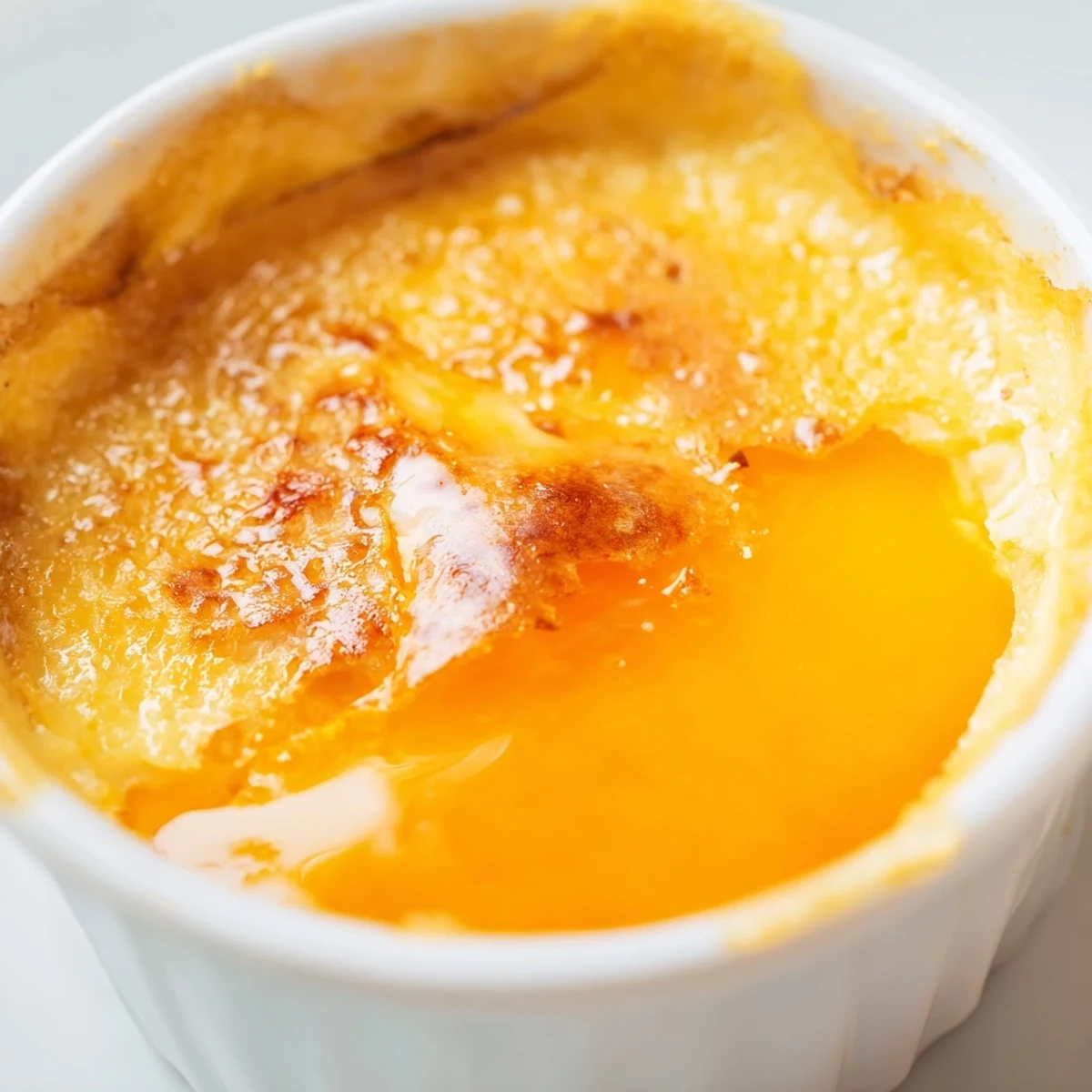
- Spread 1 teaspoon sugar over each custard. Torch it until it forms a deep golden crust, rotating to catch all the edges.
 Save to Pinterest
 My mother-in-law, who claims to dislike custard desserts, finished hers before anyone else at the table and asked if there were seconds. That's when I knew this recipe had earned a permanent spot in my rotation.
Getting the Perfect Crack
The sugar layer should be thin and even for the most dramatic crack. I tilt each ramekin as I sprinkle to distribute the sugar, then tap out any excess before torching.
Making Ahead
The custards actually improve after a day in the refrigerator. The persimmon flavor settles into the cream and becomes more pronounced. Just wait to add the sugar topping until right before serving.
Troubleshooting
If your custard sets too firmly, you likely overbaked it. The wobble in the center should be pronounced, not subtle. Next time, check 5 minutes earlier and remember that residual heat continues cooking as they cool.
- A slightly underbaked custard is preferable to an overbaked one
- Room temperature ingredients blend more smoothly than cold ones
- The freshest eggs produce the most silky texture
 Save to Pinterest
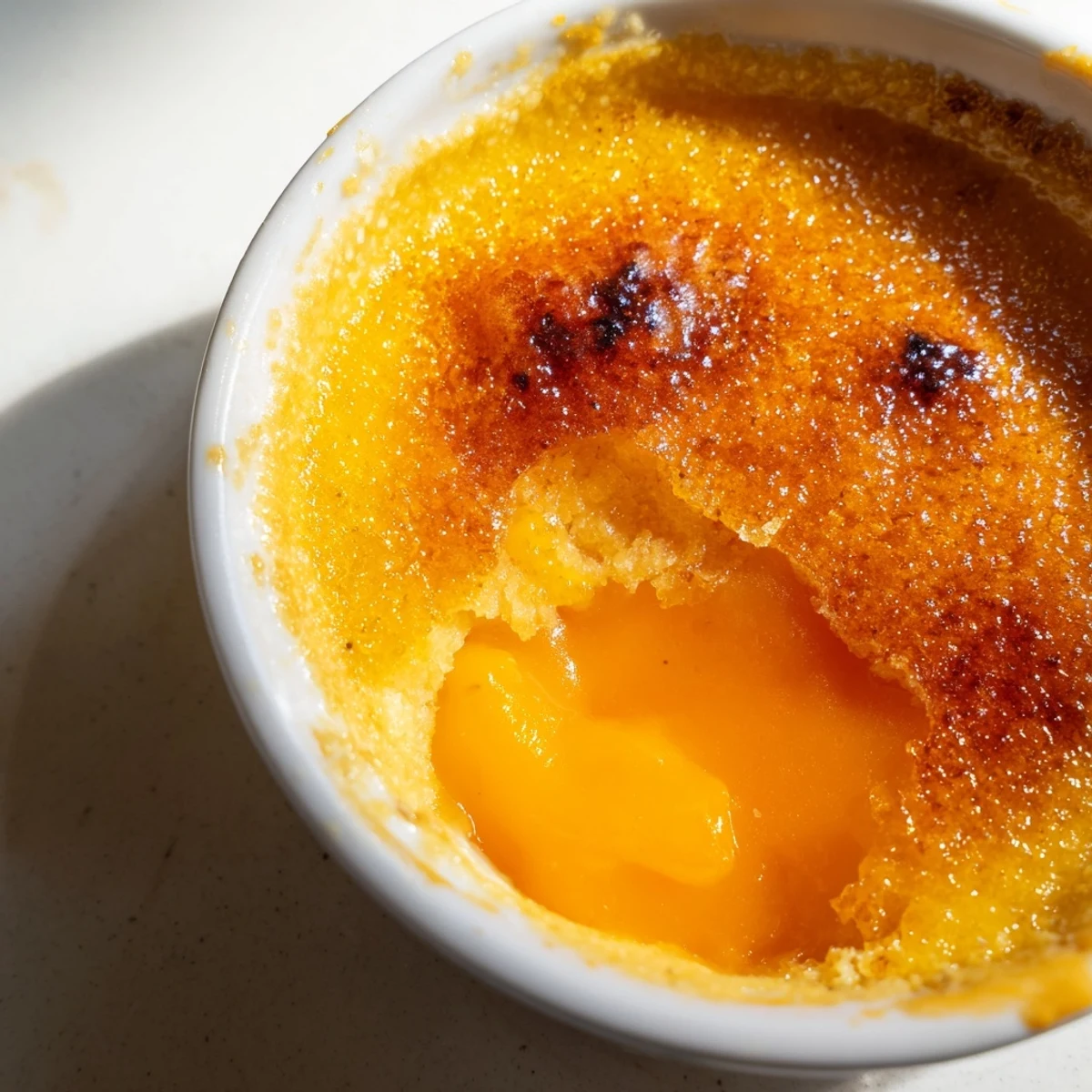
 There's something deeply satisfying about that first crack through the burnt sugar top. It's the perfect ending to any autumn meal.
Recipe Questions & Answers
- → What type of persimmon works best?
-
Fuyu persimmons are ideal because they're naturally sweet and firm. If using Hachiya variety, ensure they're extremely ripe and soft before blending for the smoothest puree texture.
- → Can I make this ahead of time?
-
Absolutely. The custards actually benefit from chilling overnight, which allows flavors to deepen. Simply add the caramelized sugar topping just before serving for that signature crackling crust.
- → Do I need a kitchen torch?
-
A kitchen torch creates the best results, but your oven's broiler works as an alternative. Place ramekins under a hot broiler for 1-2 minutes, watching closely to prevent burning the sugar.
- → How do I know when the custard is done baking?
-
The custards should be just set with a slight wobble in the center, similar to gelatin. They'll continue firming during chilling, so avoid overbaking which creates a rubbery texture.
- → Can I substitute the dairy?
-
Coconut cream works as a dairy-free alternative, though the texture will be slightly denser. For a lighter version, replace half the heavy cream with additional whole milk while maintaining the total liquid volume.
- → What pairs well with this dessert?
-
Fresh berries provide tart contrast to the rich custard. A late-harvest wine like Sauternes or a dessert wine complements the caramelized sweetness beautifully. Fresh mint adds a bright finishing touch.