
 Save to Pinterest
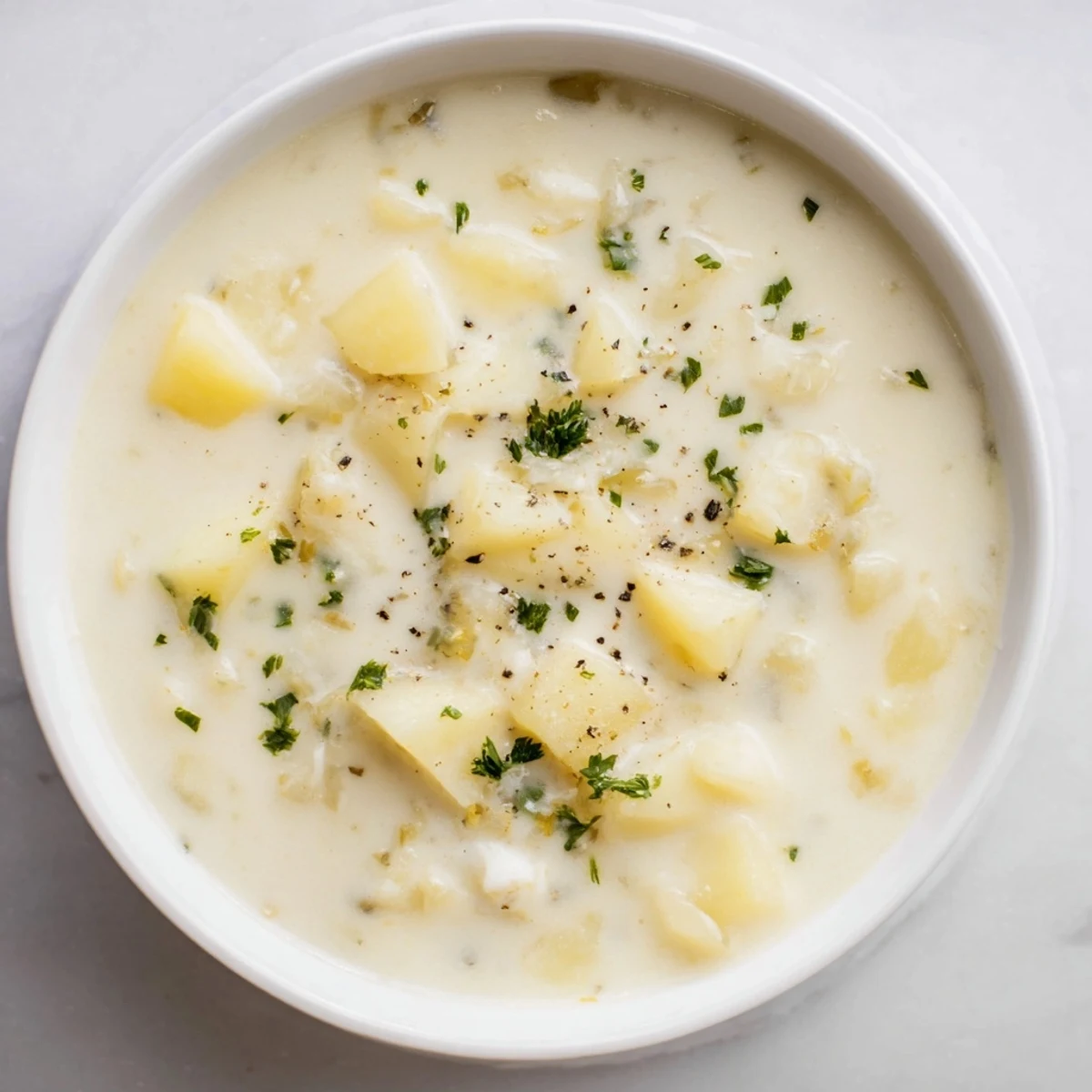
 This creamy potato dish features tender potatoes simmered with onions, garlic, carrots, and celery in a rich vegetable broth. After blending to your preferred texture, it’s finished with milk and cream for smoothness and seasoned with fresh parsley, salt, pepper, and a hint of nutmeg. Ideal for a cozy meal, this preparation suits vegetarian and gluten-free diets with optional dairy variations.
The process begins by sautéeing aromatic vegetables, followed by simmering potatoes until soft. An immersion blender creates either a velvety or slightly chunky texture. Final gentle heating melds the creaminess and herbs together, delivering a soul-warming bowl perfect for cooler weather. Versatile additions like plant-based substitutes or savory toppings add new flavors and textures.
There's something about a bowl of potato soup that stops time. My grandmother used to make it on grey afternoons when the kitchen needed warming up as much as we did, letting the steam fog her glasses while she stirred with one hand and read the newspaper with the other. I never asked for her recipe until years later, realizing too late that she'd been teaching me all along through the smell of butter and onions hitting hot metal. Now I make it the way she did—not fancy, just honest—and somehow it tastes like being taken care of.
I made this for a friend who'd had a brutal week at work, and she sat at my kitchen counter in her coat for twenty minutes before she even took a spoonful. When she finally did, her shoulders dropped and she didn't say anything, just kept eating. That's when I understood that this soup isn't really about potatoes—it's about knowing exactly what someone needs without them having to ask.
Ingredients
- Potatoes (1 kg, peeled and diced): Russets work best here because they break down and create that naturally creamy texture without needing cream to do all the work.
- Onion (1 large, finely chopped): Don't skip the mincing step—small pieces dissolve into the broth and build a savory foundation that makes people ask what the secret is.
- Garlic (2 cloves, minced): Fresh garlic is non-negotiable; jarred tastes metallic and defeats the whole purpose.
- Carrots (2 medium, diced): They add natural sweetness and a subtle color that makes the soup feel less austere.
- Celery (2 stalks, diced): This is the ingredient people forget about until they taste the difference it makes in the background.
- Vegetable broth (1 liter): Use good broth—it's the backbone of everything, so don't reach for the stuff with a mile-long ingredient list.
- Milk (250 ml): Whole milk rounds out the flavors best, but plant-based works if that's your preference.
- Heavy cream or plant-based cream (60 ml, optional): A small splash turns this from soup into something you want to linger over.
- Unsalted butter (30 g): Real butter matters—it's where half the flavor comes from in those first few minutes.
- Bay leaf, salt, black pepper, fresh parsley, and nutmeg: The bay leaf infuses everything with quiet sophistication, while nutmeg adds a whisper of something you can't quite name but love.
Instructions
- Start with butter and aromatics:
- Melt butter in a large pot over medium heat, then add onion, garlic, carrots, and celery. Let them sauté for 5 minutes until they're soft and the kitchen smells like home—you'll know it's right when the onions are turning golden and everything glistens.
- Bring the potatoes in:
- Add your diced potatoes and cook for another 2 minutes, stirring so everything gets coated in butter. This is just long enough to take the raw edge off them.
- Simmer until tender:
- Pour in vegetable broth, add the bay leaf, and bring to a boil. Lower the heat immediately and let it simmer uncovered for 20 minutes—the potatoes should fall apart when you press them against the side of the pot with a spoon.
- Blend to silky smoothness:
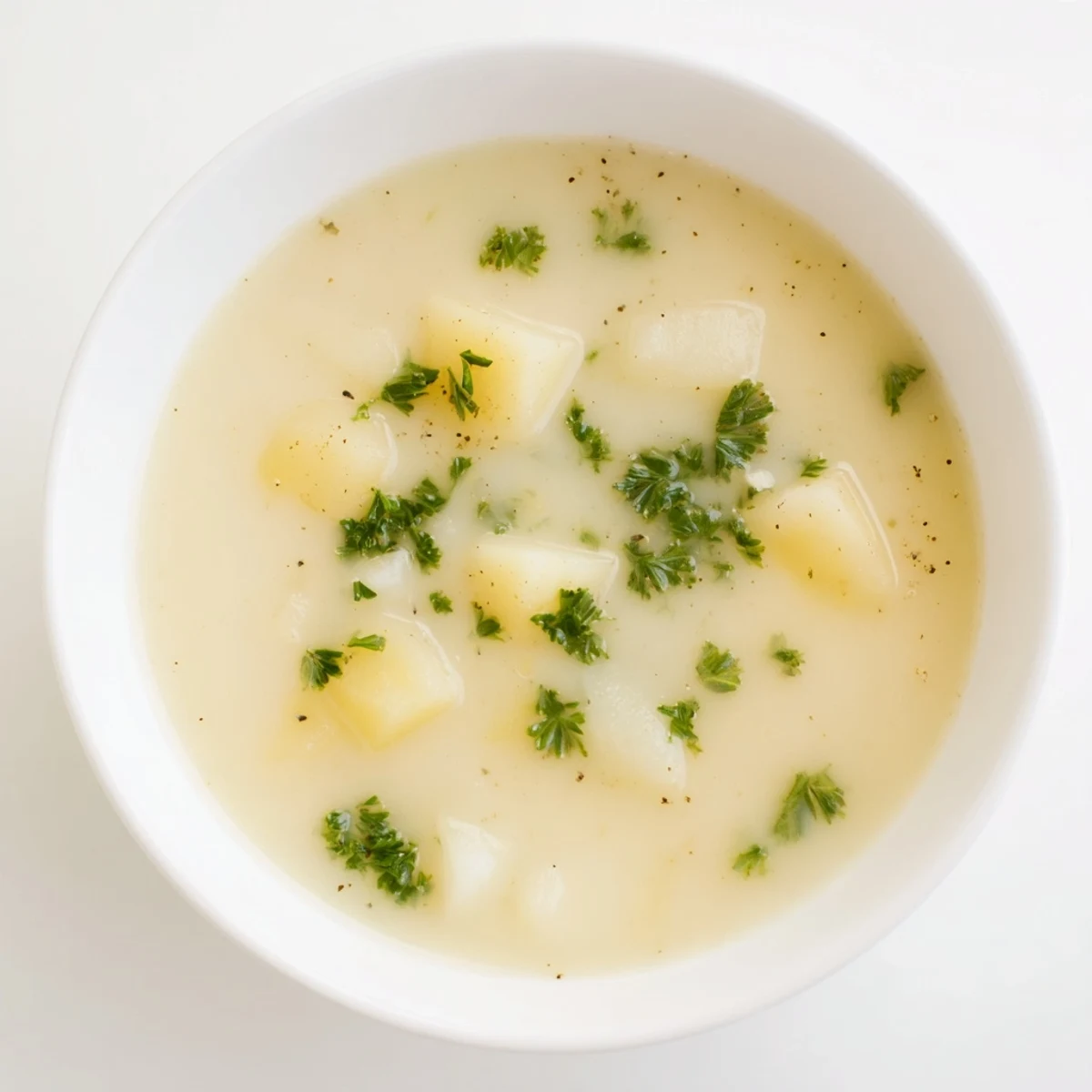
- Remove the bay leaf and use an immersion blender to purée the soup; some people like it completely smooth, others prefer a little texture. I usually leave it somewhere in between—enough substance that it feels like a proper meal.
- Add cream and milk gently:
- Stir in the milk and cream, then season with salt, pepper, and a tiny pinch of nutmeg if you're feeling it. Heat gently and don't let it boil or it'll separate on you and lose its silky feel.
- Finish with green:
- Stir in fresh parsley off the heat, taste it, and adjust seasoning. The parsley should taste bright, not cooked away.
- Serve with intention:
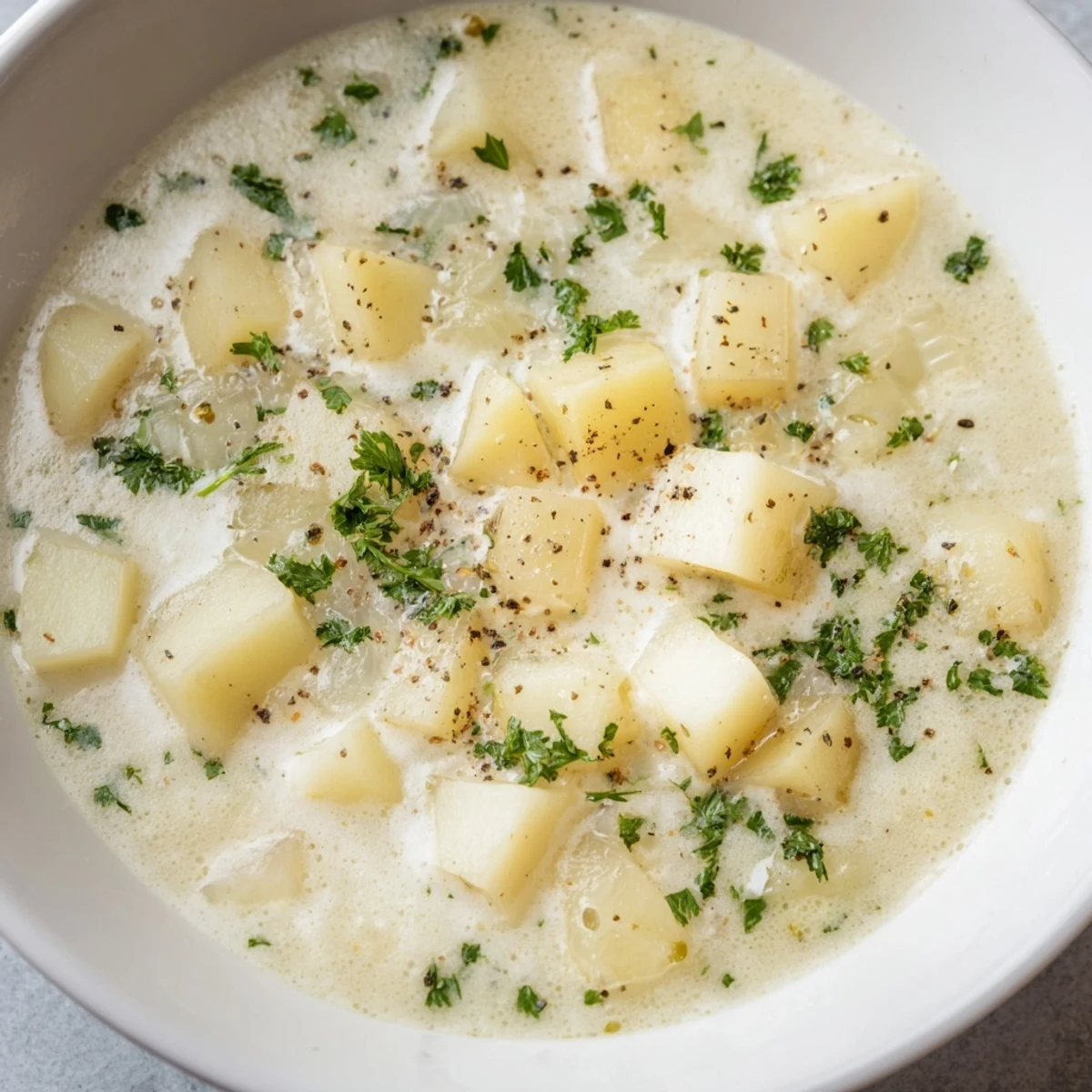
- Ladle into bowls, add a grind of fresh black pepper, maybe a touch more parsley, and hand it to someone you care about.
 Save to Pinterest
 My neighbor once asked me to bring soup over when her mother was visiting from overseas, and I watched them eat in complete silence at first, then the mother looked up with tears in her eyes and said it tasted like peace. That's the moment I stopped thinking of this as just soup and started understanding its real power.
Making It Your Own
This soup is a canvas, honestly. Some nights I add a handful of kale at the end, letting it wilt into the warmth without cooking the life out of it. Other times I've stirred in crispy bacon pieces or a drizzle of truffle oil when I'm feeling indulgent. The base is flexible enough to handle whatever your pantry and mood suggest, which is part of why I keep making it.
Timing and Make-Ahead
This soup actually tastes better the next day, after the flavors have had time to know each other. You can make it completely ahead and just reheat gently on the stovetop—never in the microwave, because the uneven heat messes with the texture. It freezes beautifully too, though I always leave out the cream and add it fresh when I reheat, which keeps everything tasting bright.
The Comfort Factor
What makes this soup so reliably comforting is that it asks for simple ingredients and gives back generously in return. There's no pretense, no complicated techniques, just the honest alchemy of butter, potatoes, and time. Serve it in your favorite bowl, with crusty bread if you have it, and know that you're giving someone more than just dinner.
- If the soup seems thin, blend it longer or add a mashed potato or two to thicken naturally.
- Leftovers taste even better, so make extra without guilt.
- Cold soup works too—serve it chilled on warm days for something unexpected.
 Save to Pinterest
 Make this soup, and you'll find yourself making it again and again. It's one of those recipes that becomes part of your kitchen's muscle memory, and eventually, part of how you show love.
Recipe Questions & Answers
- → What is the best way to achieve a smooth texture?
-
Using an immersion blender allows you to purée the mixture to a velvety smooth consistency, but you can leave it slightly chunky if preferred.
- → Can this dish be made vegan?
-
Yes, substitute traditional butter, milk, and cream with plant-based alternatives to maintain creamy results without dairy.
- → Which herbs enhance the flavor most effectively?
-
Fresh parsley adds a bright, fresh note that complements the earthy potatoes and vegetables beautifully.
- → Is it necessary to peel the potatoes beforehand?
-
Peeling ensures a smoother texture and eliminates any bitterness from the skins, but leaving them on adds extra nutrients and texture if desired.
- → What are some good toppings or additions?
-
Consider toppings like shredded cheese, chopped chives, croutons, or cooked bacon for added flavor and texture contrasts.
- → How can I adjust the seasoning to suit different tastes?
-
Adjust salt, pepper, and optional nutmeg to your preference at the end, tasting as you go for balanced flavor.