
 Save to Pinterest
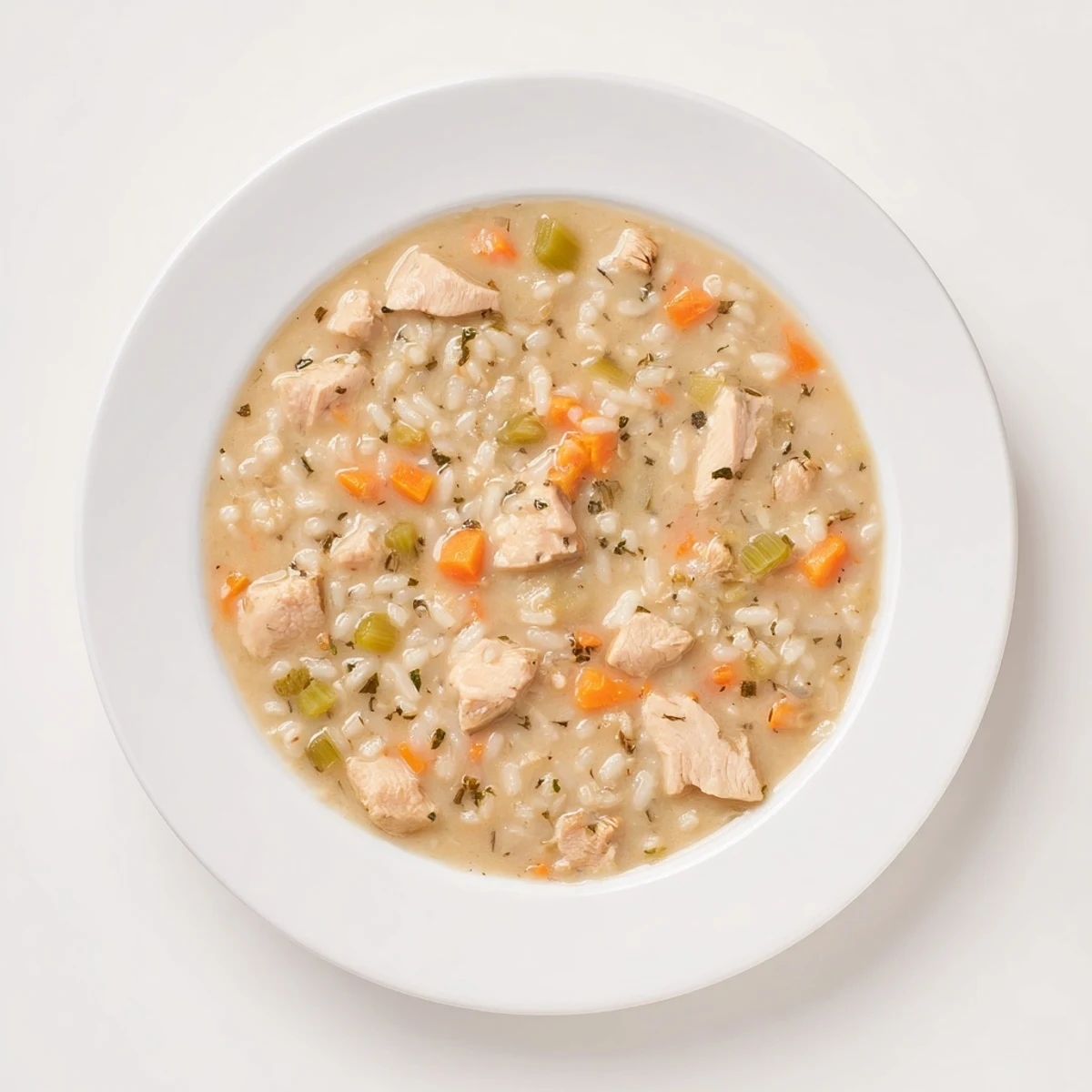
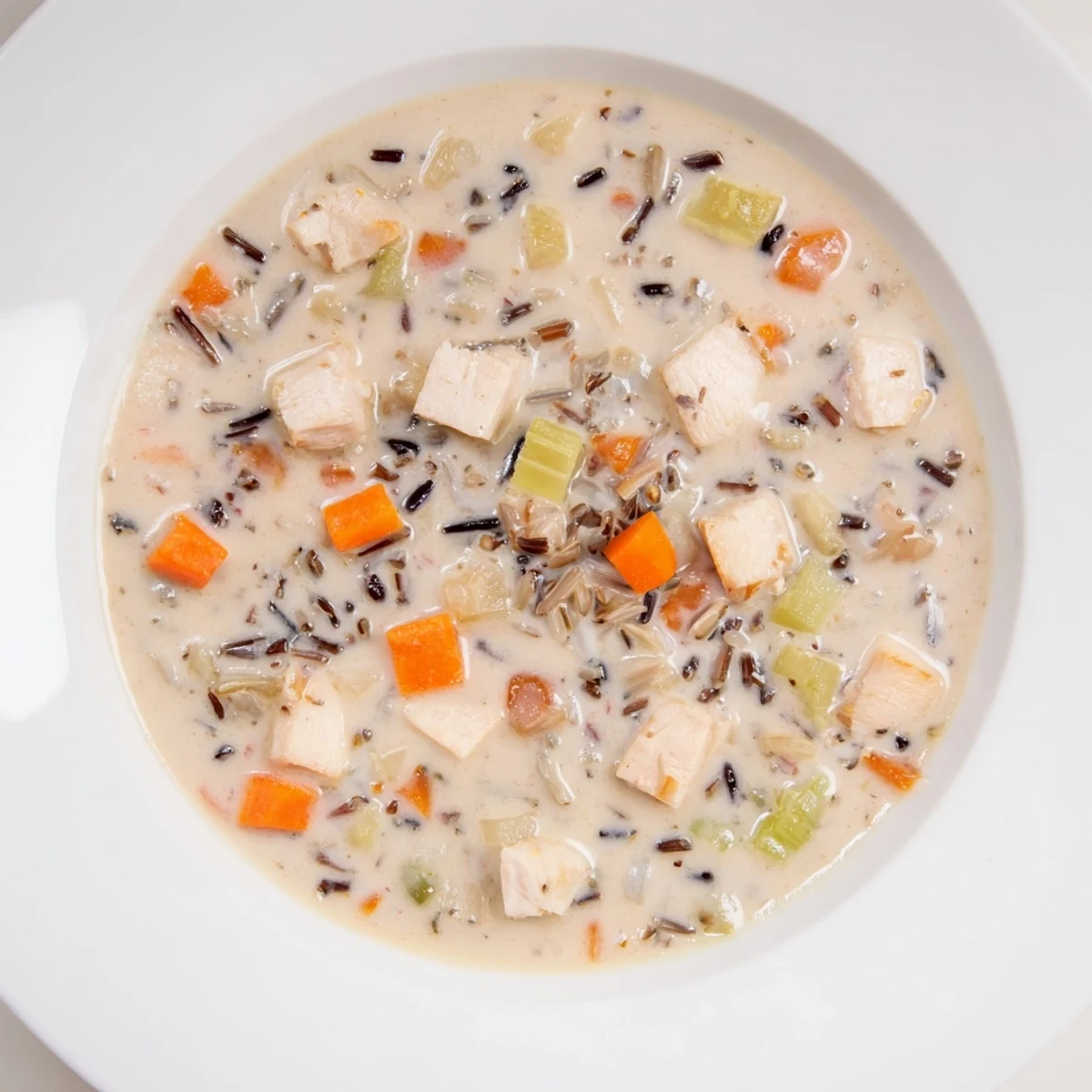
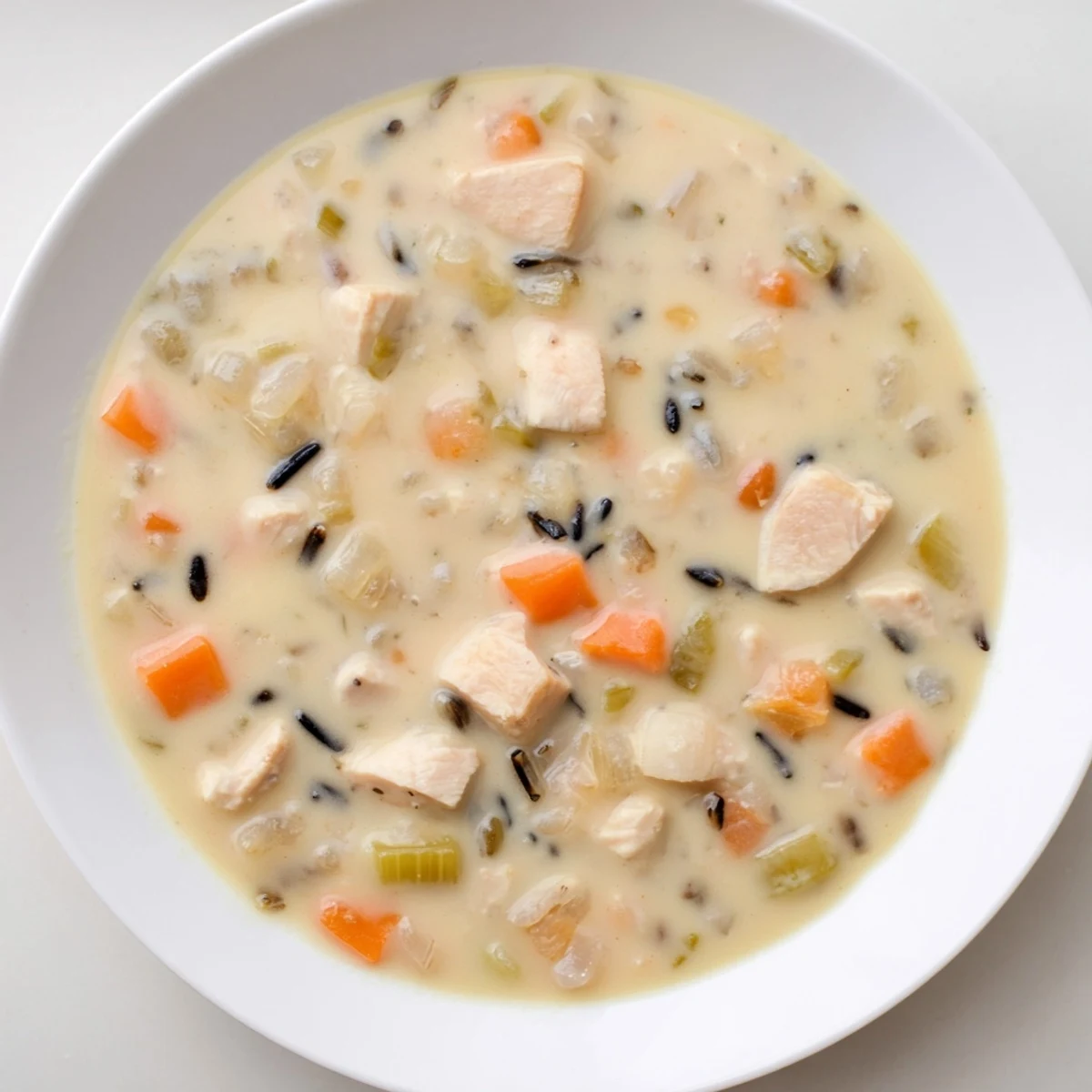
 This hearty soup blends tender chunks of chicken with nutty wild rice and a medley of sautéed vegetables, simmered in a rich, creamy broth. Aromatic herbs and spices infuse depth, while a homemade roux thickens the base, creating a velvety texture perfect for chilly days. This nourishing dish yields six servings and offers a comforting balance of protein, grains, and vegetables, ideal for simple weeknight cooking or a cozy meal.
There's something about a bowl of chicken wild rice soup that takes me right back to my grandmother's kitchen on a gray November afternoon. I was maybe eight years old, watching her work her magic with what seemed like simple ingredients—chicken, rice, vegetables—transforming them into something that felt like a warm hug in a bowl. Years later, I finally asked for her recipe, and while I've added my own touches, that fundamental comfort she created still lives in every spoonful I make.
I'll never forget the first time I made this soup for my partner on a snowy evening. He took one spoonful and got quiet in that way that means the food is doing exactly what it's supposed to do—reminding him of something good, something safe. We sat by the window while the snow came down, just two bowls of soup and the kind of silence that feels like connection. That's when I knew this recipe was worth keeping.
Ingredients
- Boneless, skinless chicken breasts (2, about 300 g, diced): Dicing them while they're still raw might seem odd, but it lets them cook gently right in the broth, staying tender instead of turning stringy. I've learned that smaller pieces distribute their flavor more evenly through the whole pot.
- Wild rice (1 cup, rinsed): This is the backbone of the soup—nutty and substantial in a way that regular white rice just can't match. Always rinse it first; you'd be surprised how much debris hides in there.
- Unsalted butter (2 tablespoons): This is your foundation for the soffritto, the aromatic base that makes everything taste intentional and developed.
- Onion (1 medium, finely chopped): The sweeter it turns as it caramelizes, the more depth it brings to the whole pot.
- Carrots (2, peeled and diced): These add a subtle sweetness and their natural sugars help round out the broth beautifully.
- Celery stalks (2, diced): Essential for that classic soup foundation—it's almost impossible to get the same flavor depth without it.
- Garlic (3 cloves, minced): Added after the softer vegetables have had their moment, so it perfumes everything without becoming sharp or burnt.
- Low-sodium chicken broth (6 cups): Low-sodium gives you room to season intentionally; high-sodium broth can quickly become overwhelming.
- Dried thyme and parsley (1 teaspoon each): These herbs carry the soul of the soup—they're understated but absolutely necessary.
- Bay leaf (1): Provides a subtle earthiness that ties the whole thing together. Don't forget to fish it out before serving.
- Salt and freshly ground black pepper: Salt to taste at the end lets you calibrate it perfectly for your own preferences.
- Olive oil (2 tablespoons): For making your roux, which creates that silky, luxurious texture.
- Flour (3 tablespoons, gluten-free or all-purpose): The thickening agent that transforms broth into a proper, creamy soup.
- Whole milk (1 cup) and heavy cream (½ cup): Together, these create creaminess without making the soup feel heavy. The milk lightens it while the cream gives it richness.
Instructions
- Build your flavor foundation:
- Melt the butter in your pot over medium heat and watch it turn golden. Add your chopped onion, carrots, and celery—this is called soffritto, and it's where the whole soup gets its personality. Stir them together and let them soften for about 5 minutes. You'll notice the kitchen starts to smell like comfort. When they're starting to turn translucent, add your minced garlic and cook for just 1 more minute. Don't let it brown; you want it to be fragrant, not bitter.
- Introduce the chicken:
- Add your diced chicken to the pot with the vegetables. Cook for 3 to 4 minutes, stirring occasionally. The chicken will start to lose its pink color around the edges, but it won't be cooked through yet—that's exactly right. It's going to finish cooking gently in the broth, which is how it stays tender instead of tough.
- Build the soup:
- Stir in your rinsed wild rice, followed by the chicken broth, thyme, parsley, bay leaf, salt, and pepper. Give everything a good stir so nothing sticks to the bottom of the pot. Bring it up to a boil—you'll see the surface start to bubble actively. Then reduce the heat to low, put the lid on, and let it simmer for 40 to 45 minutes. This is when you can step away, pour yourself something warm, and just let time and steam do the work. The rice will slowly absorb the broth and become tender and nutty.
- Create the cream base:
- While the soup simmers, make a roux in a separate small saucepan. Heat the olive oil over medium heat, then whisk in the flour. Cook this mixture for about 1 to 2 minutes, stirring constantly. You're cooking out the raw flour taste without letting it brown. Slowly pour in the milk while whisking—this is the important part. Whisk steadily and smoothly so you don't get lumps. Keep stirring as it simmers for about 3 minutes until it thickens enough to coat the back of a spoon. Take it off the heat and stir in the heavy cream. This mixture is going to transform your soup into something silky.
- Bring it together:
- When the rice is tender and the chicken is cooked through, carefully remove the bay leaf from the pot. It's easy to miss, so feel around a bit. Pour your creamy mixture into the pot and stir well, making sure it integrates smoothly throughout. Simmer uncovered for about 5 more minutes, stirring occasionally. You'll see the soup transform into something rich and creamy and perfect.
- Taste and serve:
- Before you serve, taste it. Does it need a pinch more salt? A crack of pepper? Trust your palate here—this is your soup now. Ladle it into bowls and serve it hot, ideally with crusty bread for soaking up every last drop.
 Save to Pinterest
 My favorite moment with this soup came when a friend showed up at my door having had the worst day imaginable. I didn't have much to offer except time and a warm stove. I made this soup while she sat at my kitchen counter and talked, and by the time it was ready, something had shifted. Warmth and presence and good food had done what words couldn't quite manage.
Variations and Substitutions
This soup is forgiving and open to interpretation, which is partly why it has stayed with me all these years. If you have rotisserie chicken in your fridge, you can skip the step of cooking raw chicken in the pot and just stir shredded rotisserie chicken in during the last 5 minutes. It saves time without sacrificing any of the comfort. Some people add mushrooms in step 1 alongside the onions and carrots—cremini or button mushrooms give an earthy depth that makes the soup feel even more substantial. If you're cooking for someone dairy-free, plant-based milk and cream alternatives work beautifully here; just make sure your broth is dairy-free as well. I've also made this with half-and-half instead of heavy cream when I wanted something a touch lighter, and it's just as lovely.
Serving Suggestions and Pairings
This soup needs almost nothing, but it loves company. A thick slice of crusty bread—something with a real crust and an open crumb—is perfect for soaking up the broth. I'm also partial to serving it with a simple green salad on the side, something with bright vinaigrette to cut through the richness just a touch. A warm beverage afterward, tea or coffee, feels right. This is the kind of soup that makes people linger at the table, and honestly, that's the highest compliment.
Make-Ahead and Storage Tips
This soup actually tastes better the next day, once all the flavors have had time to get to know each other. Make it up to 2 days ahead and keep it in the fridge in an airtight container. To reheat, warm it gently over medium-low heat on the stove, stirring occasionally, until it's heated through. You can also freeze it for up to 3 months—just thaw it in the fridge overnight before reheating. If you freeze it, the texture stays silky and the flavors hold beautifully.
- Let the soup cool completely before refrigerating it; hot soup can raise the temperature of your whole fridge.
- When reheating from frozen, go low and slow to preserve the creaminess and prevent the milk solids from separating.
- A fresh crack of pepper on top just before serving brings everything back to life, even on a second or third day.
 Save to Pinterest
 This soup has become my answer to so many things—a quiet weeknight dinner, comfort when someone needs it, proof that simple ingredients can create something that feels like home. Every time you make it, you're building your own memories into it.
Recipe Questions & Answers
- → Can I use pre-cooked chicken instead of raw?
-
Yes, adding pre-cooked or rotisserie chicken towards the end maintains tenderness and speeds preparation.
- → Is wild rice necessary or can it be substituted?
-
Wild rice provides a nutty texture and flavor, but brown or white rice can serve as alternatives with slight changes in cooking time.
- → How do I make the soup gluten-free?
-
Use gluten-free flour and confirm your broth is gluten-free to avoid any gluten-containing ingredients.
- → What enhances the soup's creamy texture?
-
A roux made from flour and olive oil combined with milk and heavy cream creates the rich, velvety consistency.
- → Can vegetables be varied in this dish?
-
Absolutely, adding mushrooms or other seasonal vegetables can enrich flavor and texture nicely.
- → How do I store leftovers properly?
-
Keep cooled portions in airtight containers and refrigerate for up to 3 days; reheat gently to preserve creaminess.