
 Save to Pinterest
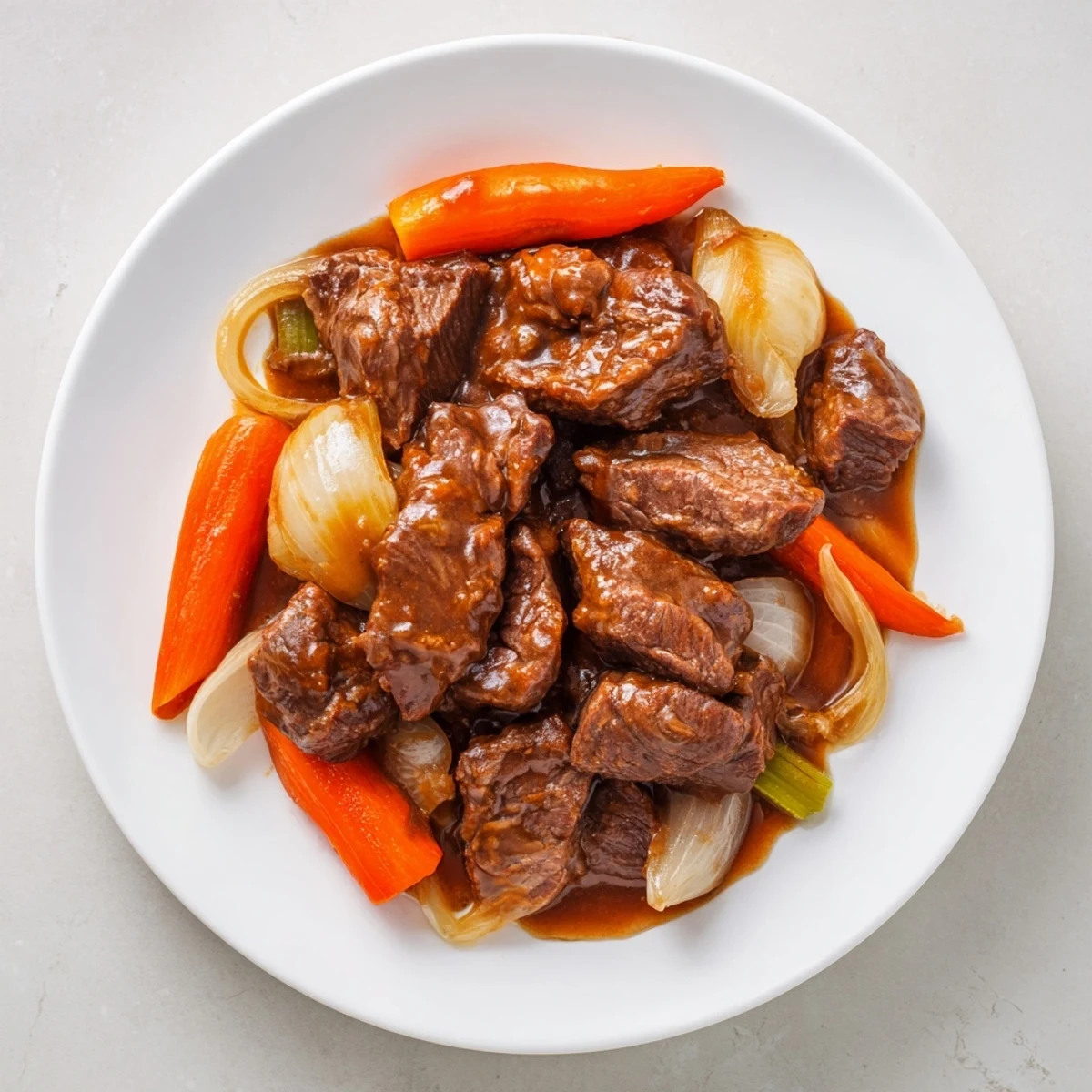
 Experience melt-in-your-mouth tenderness with slowly braised beef steaks simmered in a rich, savory gravy. This hearty dish features seared cuts cooked low and slow alongside aromatic vegetables and herbs. Perfect for a comforting dinner, the steak absorbs deep flavors from wine, thyme, and Worcestershire sauce, served warm with gravy and tender veggies. Ideal for those seeking a satisfying, gluten-free friendly main course.
I learned to braise steak on a rainy Tuesday when the heating had packed in and I needed something that would warm the kitchen from the inside out. The smell of browning beef and onions filled every cold corner of the flat, and by the time I pulled that casserole from the oven, the windows were fogged and my hands had finally thawed. That dish taught me that slow cooking isnt just about tenderness, its about turning an afternoon into something worth remembering.
The first time I made this for my brother, he scraped his plate clean and then used bread to mop up every last streak of gravy. He didnt say much, just nodded and asked if there was more. I doubled the recipe the next time he visited, and it still disappeared.
Ingredients
- Beef braising steaks: Look for cuts with a bit of marbling and connective tissue, they break down into buttery softness during the long cook and cheap cuts work brilliantly here.
- Onions: Slice them thick so they hold their shape and sweeten slowly in the gravy, becoming almost jammy by the end.
- Carrots and celery: They add gentle sweetness and body to the sauce, plus they soak up all that beefy flavor and turn into something worth fighting over.
- Garlic: Mince it small so it melts into the braising liquid and becomes a quiet backbone of flavor rather than a sharp note.
- Plain flour: A light dusting on the steaks helps them brown beautifully and thickens the gravy just enough without turning it gluey.
- Vegetable oil: Use something neutral with a high smoke point so you can get a proper sear without burning.
- Beef stock: Good stock makes all the difference, if you have homemade use it, otherwise a quality cube dissolved in boiling water works perfectly.
- Red wine: It brings acidity and depth, but if you skip it just add a splash of vinegar to the stock for brightness.
- Tomato paste: Cooking it for a minute before adding liquid unlocks a richer, sweeter flavor that rounds out the sauce.
- Worcestershire sauce: Just a couple of teaspoons add umami and a subtle tang that ties everything together.
- Thyme and bay leaves: Fresh thyme is lovely, but dried works fine, and the bay leaves add a warm, herbal note you will miss if you leave them out.
- Salt and black pepper: Season the steaks generously before searing, the crust you build now will flavor the whole dish.
Instructions
- Preheat and Prep:
- Get your oven to 160C and pat the steaks completely dry with kitchen paper, any moisture will stop them browning properly. Season both sides with more salt and pepper than feels polite, then dust them lightly with flour.
- Sear the Steaks:
- Heat the oil in your casserole until it shimmers, then lay the steaks in without crowding and let them sizzle undisturbed for 2 to 3 minutes per side until deeply browned. Lift them out and set them on a plate, leaving all those sticky, caramelized bits behind.
- Soften the Vegetables:
- Tip the onions, carrots, celery, and garlic into the same pan and let them cook in the beef fat for about 5 minutes, stirring now and then until they soften and smell sweet.
- Build the Sauce:
- Stir in the tomato paste and let it cook for a minute until it darkens a shade, then pour in the red wine and scrape up all the sticky bits from the bottom of the pan. Let it bubble for 2 minutes to cook off the raw alcohol.
- Braise in the Oven:
- Nestle the steaks back into the pan, pour in the stock, add the Worcestershire sauce, thyme, and bay leaves, and bring everything to a gentle simmer. Cover tightly with a lid and slide it into the oven for 2 hours, flipping the steaks halfway through.
- Finish and Serve:
- Fish out the thyme sprigs and bay leaves, taste the gravy, and adjust the seasoning. Serve the steaks in shallow bowls with the vegetables and a generous ladle of that glossy, savory sauce.
 Save to Pinterest
 One winter evening I served this to a friend who had just moved house and was living on toast and takeaway. She sat at my tiny kitchen table, ate two helpings, and said it felt like being looked after. That is when I realized braised steak is not fancy, but it is the kind of thing that makes people feel at home.
What to Serve Alongside
Mashed potatoes are the obvious choice because they soak up the gravy like a sponge, but creamy polenta or buttery celeriac mash work beautifully too. I like to add a pile of steamed greens, kale or cavolo nero, dressed with a little butter and lemon to cut through the richness. Crusty bread is non negotiable for mopping up every last smear.
How to Store and Reheat
This dish tastes even better the next day once the flavors have had time to settle and deepen. Let it cool completely, then store it in an airtight container in the fridge for up to three days. Reheat gently on the stovetop with a splash of stock or water, stirring occasionally until warmed through, or cover and reheat in a low oven. It also freezes brilliantly for up to three months, just defrost overnight in the fridge before reheating.
Ways to Make It Your Own
Once you have made this a few times, it becomes a template for whatever you have in the cupboard or fancy that week. Swap the red wine for stout or cider for a different kind of depth, or add a spoonful of Dijon mustard or a splash of balsamic vinegar to the sauce for extra tang. Mushrooms, parsnips, or chunks of potato can go in with the other vegetables, and a strip of orange peel tucked into the braising liquid adds a subtle warmth that surprises people in the best way.
- Try adding a teaspoon of smoked paprika or a pinch of chili flakes for a gentle kick.
- If you want a thicker sauce, mix a teaspoon of cornflour with cold water and stir it in after braising, then simmer for a few minutes.
- For a richer finish, stir a knob of cold butter into the gravy just before serving.
 Save to Pinterest
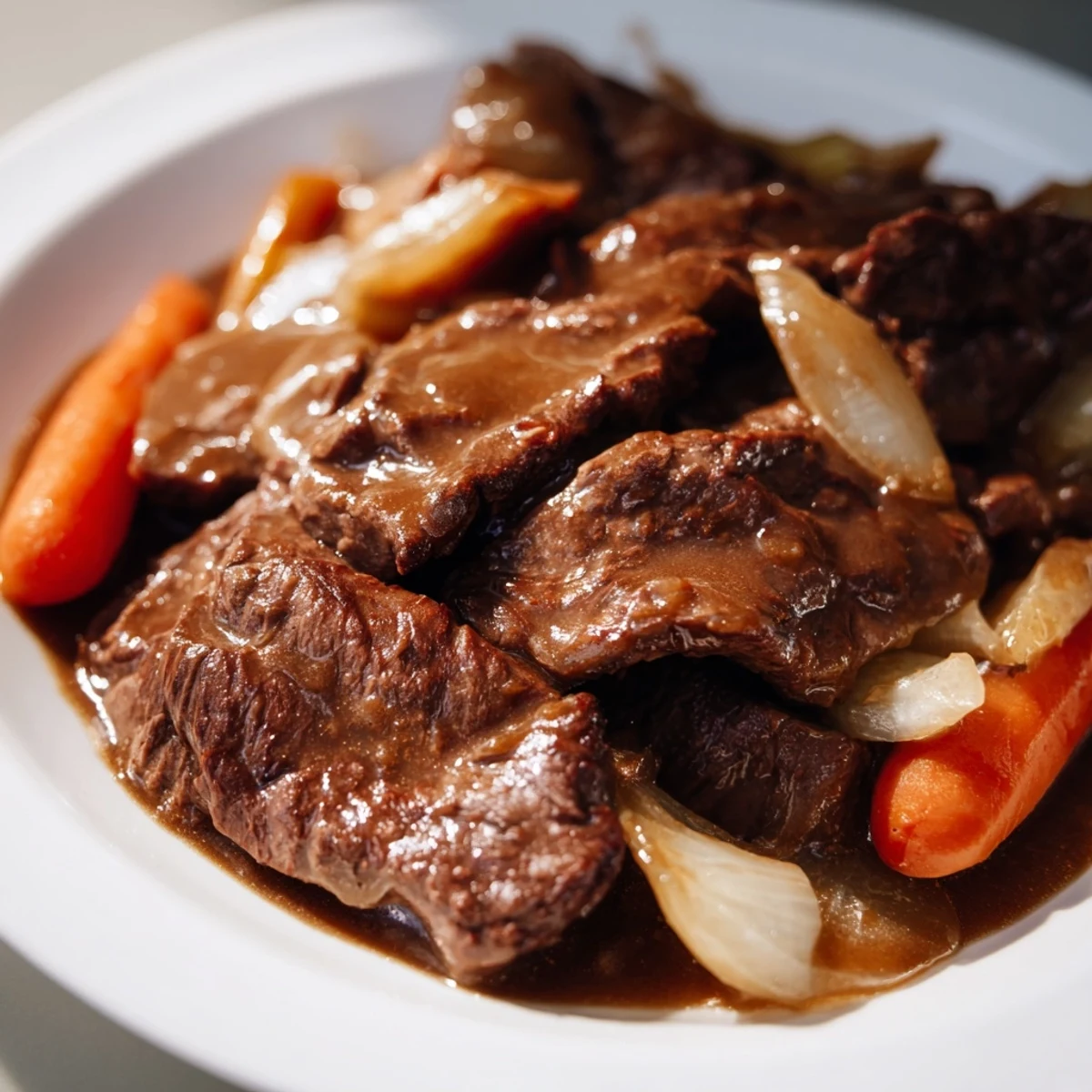
 There is something quietly satisfying about pulling a pot of braised steak from the oven, knowing it will be tender and the gravy will be just right. It is the kind of meal that does not need much fuss, just time and a little attention, and it always delivers.
Recipe Questions & Answers
- → What cut of beef is best for braising?
-
Braising steaks with good marbling work well as they become tender and flavorful after slow cooking.
- → Can I skip the red wine in the braising liquid?
-
Yes, you can substitute red wine with additional beef stock for a milder flavor.
- → How long should the beef be braised for optimal tenderness?
-
About two hours at low temperature ensures the meat becomes tender and flavorful.
- → What vegetables enhance the flavor of the braising sauce?
-
Onions, carrots, celery, and garlic provide a rich aromatic base for the gravy.
- → How can I thicken the braising sauce?
-
Simmer the sauce uncovered on the stovetop after braising to reduce and thicken it.