
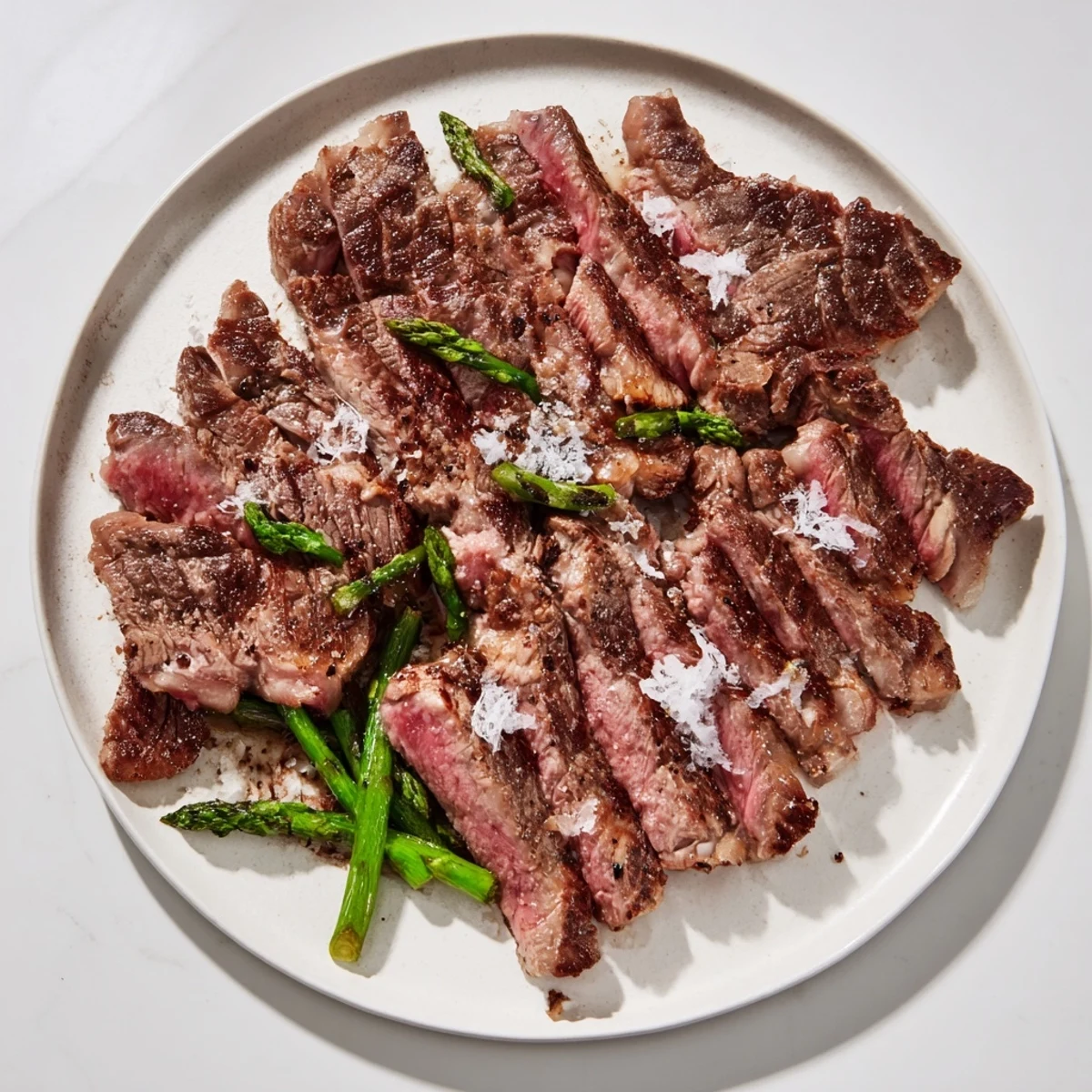
 Save to Pinterest
 Understanding the characteristics of various beef cuts is essential for optimal cooking results. Cuts like chuck are rich and great for braising and stews, while rib offers tender, marbled meat ideal for grilling. Sirloin and flank provide flavorful options for quick-cooking methods like stir-fries. Knowing the fat content and texture helps in selecting the right cut to match your dish, ensuring tenderness and taste. Proper preparation, resting times, and tools like a sharp knife enhance the cooking experience and final flavor.
I'll never forget the first time I truly understood beef cuts. I was standing in the butcher shop, overwhelmed by the options, when an older butcher smiled and said, "The meat tells you how to cook it." That simple wisdom changed everything for me. Now, whenever I'm planning dinner, I think about which cut will sing in my pan or pot, and the result is always better than when I was just guessing.
I remember making my first proper pot roast with a chuck roast I'd chosen myself, armed with this knowledge. The kitchen filled with such a deep, rich aroma that my whole family gathered before dinner was even close to ready. That moment taught me that understanding beef cuts isn't just about technique, it's about respecting the animal and getting the most from every piece.
Understanding Beef Cuts
- Chuck: The shoulder is your friend for long, slow cooking. It's marbled with fat that melts into silky tenderness, perfect when you have hours for a braise or stew. This is what makes pot roast actually taste like comfort.
- Rib: Tender and richly marbled, this cut practically cooks itself. The fat renders beautifully whether you're grilling a ribeye or roasting a prime rib for a special dinner.
- Short Loin: Home to your T-bone and porterhouse steaks, this is the tender showstopper. High heat and a quick sear are all it needs to shine.
- Sirloin: Leaner than the rib, but still full of flavor. It's the weeknight steak, the one that grills beautifully and doesn't break the budget.
- Round: Lean and moderate, requiring patience and moisture. Think of this as the canvas for slow cooking, roasting, or thin-slicing for deli beef.
- Brisket: Tough at first glance, but low and slow transforms it into something magical. The smoking, braising, and barbecuing possibilities are endless.
- Shank: Full of connective tissue that becomes gelatin when cooked slowly. This is liquid gold for soups, stews, and that rich, warming osso buco.
- Flank: Lean and long-grained, it demands respect and marinating. Slice it thin against the grain and it becomes tender and full of beefy flavor.
- Plate: Fatty and incredibly flavorful, perfect for short ribs and skirt steak. It braises beautifully and brings serious flavor to fajitas.
Instructions
- Consider your cooking method first:
- Before you even look at the meat case, think about how you want to cook. Are you grilling on a summer evening? Braising on a cold day? Starting a slow cooker breakfast? The method comes first, then you choose the cut that wants to be cooked that way.
- Match the cut to the fat and connective tissue:
- Here's the secret: tender cuts like rib and short loin have less connective tissue and need quick, hot cooking. Tough, fatty cuts like chuck and brisket need time to transform. The fat isn't a flaw, it's flavor waiting to happen.
- Ask your butcher questions:
- They know things. Ask how long a particular cut takes to braise, whether it's good for slicing thin, or what you can marinate it in. Their answers come from watching customers cook hundreds of meals.
- Marinate leaner cuts when needed:
- Flank, sirloin, and round benefit from marinating. Even 30 minutes makes a difference. The acid and oil help break down the muscle fibers and add flavor to lean meat.
- Let steaks rest after cooking:
- This might be the single most important tip. After your steak reaches temperature, tent it loosely with foil and let it rest for 5 to 10 minutes. The juices redistribute instead of running all over your plate.
- Use a meat thermometer:
- It removes the guesswork. 130°F for medium-rare, 135°F for medium. You'll never overcook again.
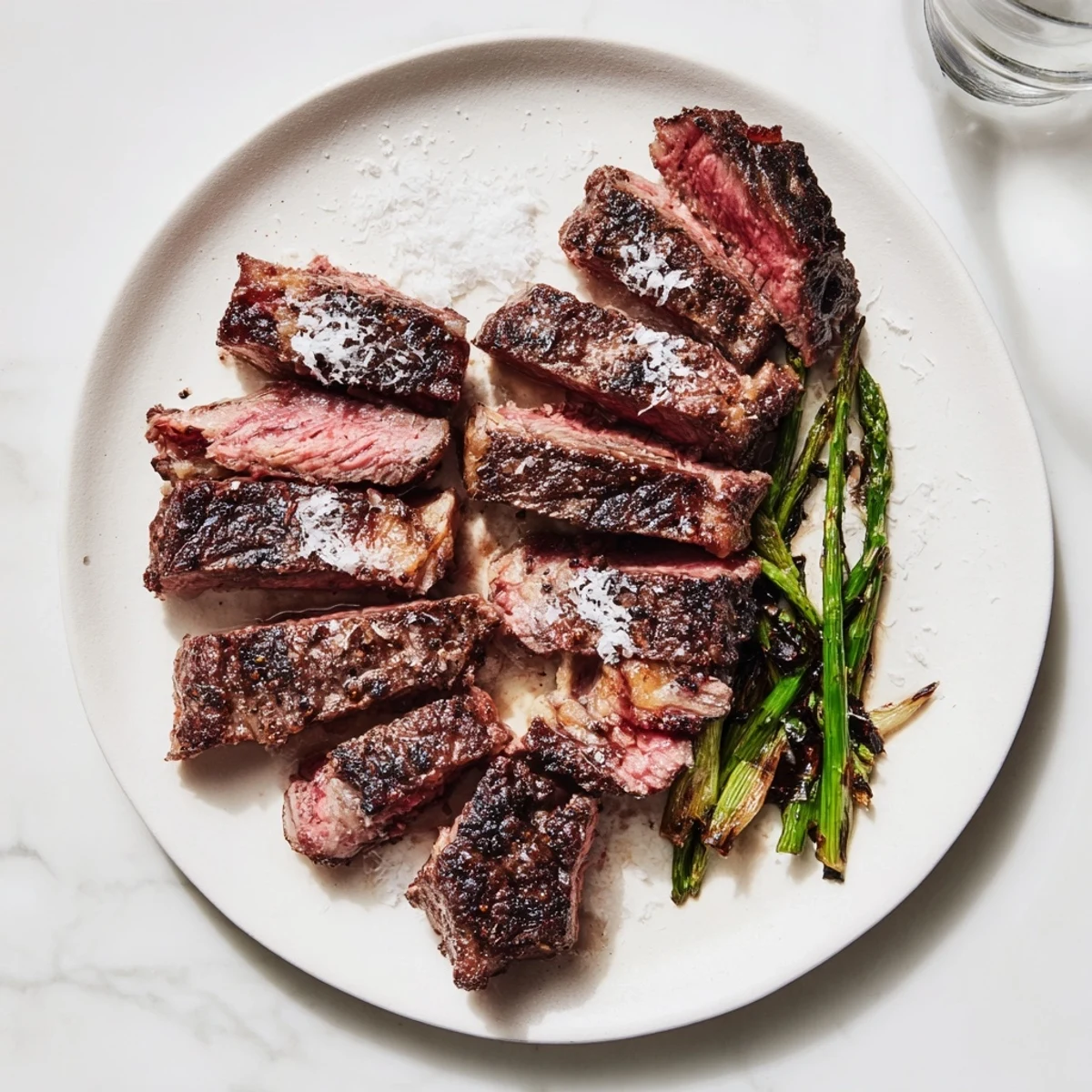 Save to Pinterest
 Years later, I watched my daughter pick out a chuck roast for her first pot roast. She asked the butcher the same questions I did that first day, and I realized this knowledge had become part of how I teach her to cook. That's when I knew understanding beef cuts was never just about getting it right, it was about becoming the kind of cook who thinks about the ingredient before the recipe.
Choosing for Your Meal
The beauty of knowing beef cuts is that you stop buying the most expensive piece and start buying the right piece. A sirloin steak for a quick grilled dinner, a chuck roast for a Sunday braise, brisket when you have time to smoke it low and slow. Your meals improve and your food budget stretches further. This is the practical magic of understanding what you're buying.
Preparing Your Cut
Once you bring your beef home, give it a moment of attention. Pat it dry with paper towels before cooking anything hot and seared. For braising cuts, you can score the fat in a crosshatch pattern to help it render. For grilling steaks, bring them to room temperature 20 minutes before cooking. These small moments of care compound into noticeably better results.
Storing and Using Your Beef
Beef keeps beautifully in the refrigerator for three to five days, and freezes wonderfully for months. When you freeze, wrap it tightly in plastic wrap and then foil to prevent freezer burn. Ground beef keeps three days fresh, but I always freeze it in flat portions so it thaws quickly. One last thought: trust your senses when buying. Look for bright red color, not gray, and ask yourself if the marbling looks like it will taste good.
- Always bring steaks to room temperature before cooking for even heat distribution
- Trim excess fat or score it lightly depending on your preference and cooking method
- Remember that leaner cuts need moisture and acid to shine, so marinate or braise them with love
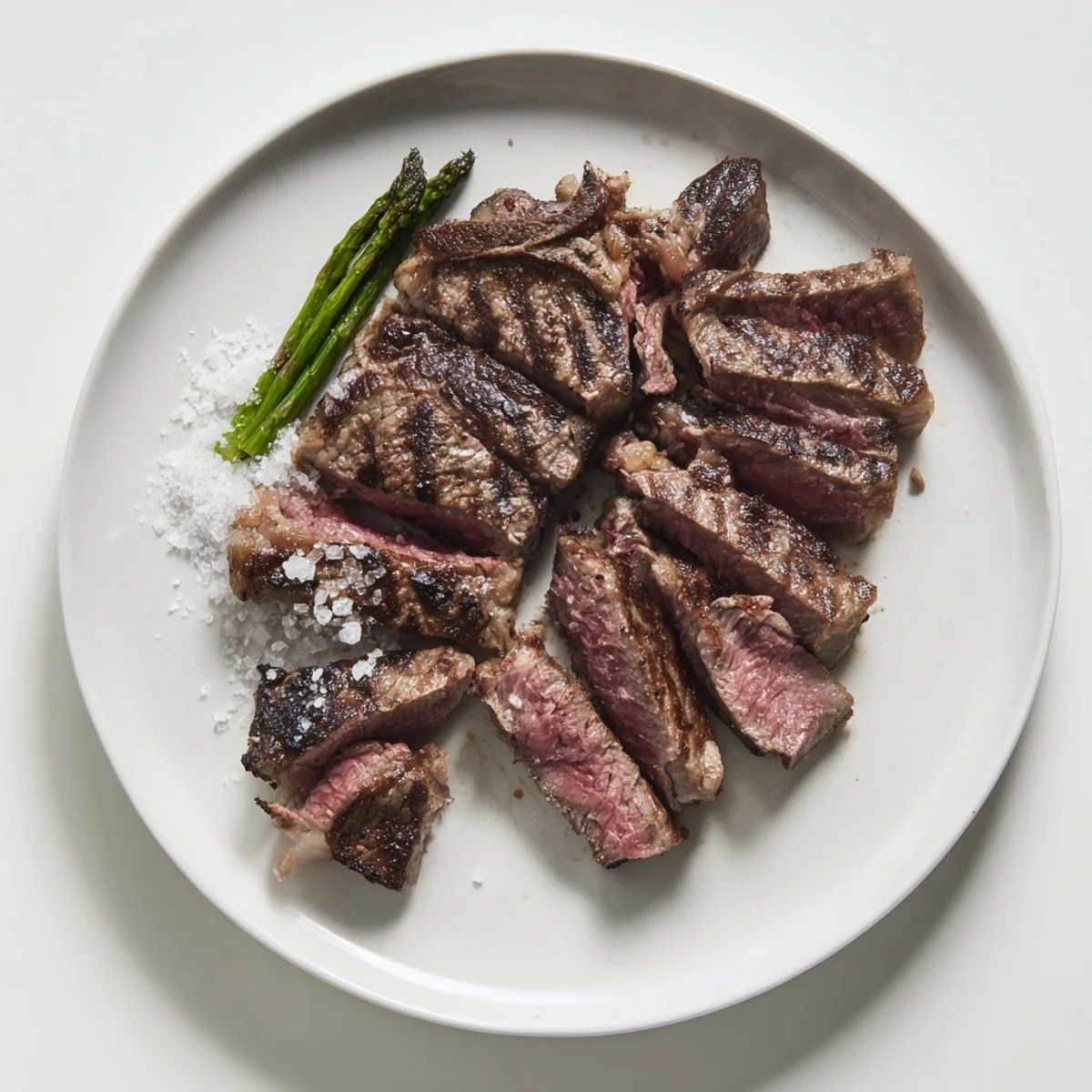 Save to Pinterest
 Now you know what the butcher knew all along. Every cut of beef has a story, a best use, and a way to shine. Pick the right one for your meal, cook it with intention, and taste the difference.
Recipe Questions & Answers
- → Which beef cut is best for slow cooking?
-
Chuck and brisket are ideal for slow cooking due to their marbling and connective tissue, which break down to produce tender results.
- → What cut is recommended for grilling steaks?
-
Rib, short loin, and sirloin cuts are excellent for grilling, offering tenderness and rich flavor profiles.
- → How can tougher cuts be tenderized?
-
Marinating leaner, tougher cuts and using slow cooking methods helps break down connective tissues, making them more tender.
- → Why should steaks rest after cooking?
-
Resting allows juices to redistribute within the meat, resulting in juicier and more flavorful steaks.
- → What tools are essential for preparing beef cuts?
-
A sharp chef's knife, cutting board, and a meat thermometer help ensure precise cuts and proper cooking.