
 Save to Pinterest
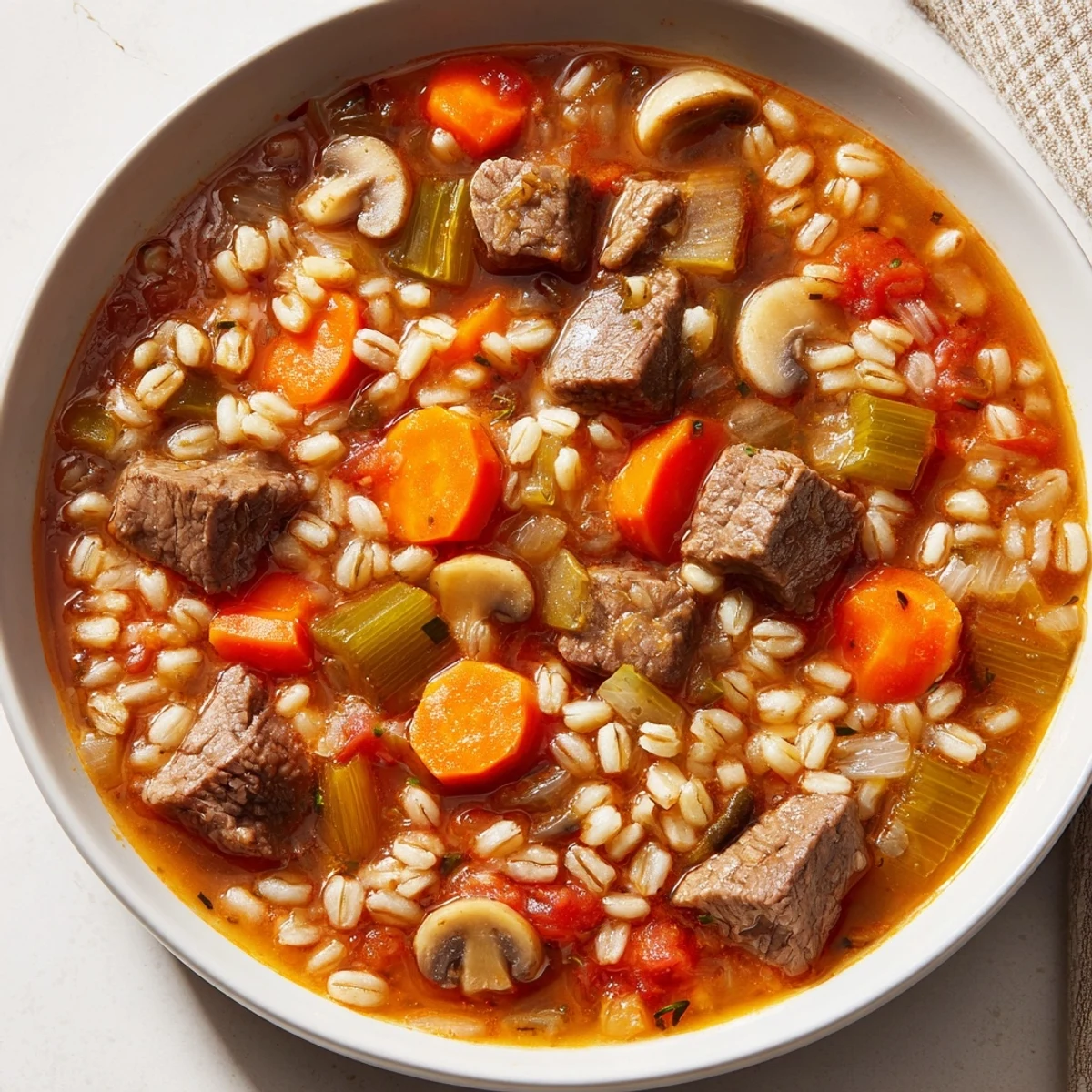
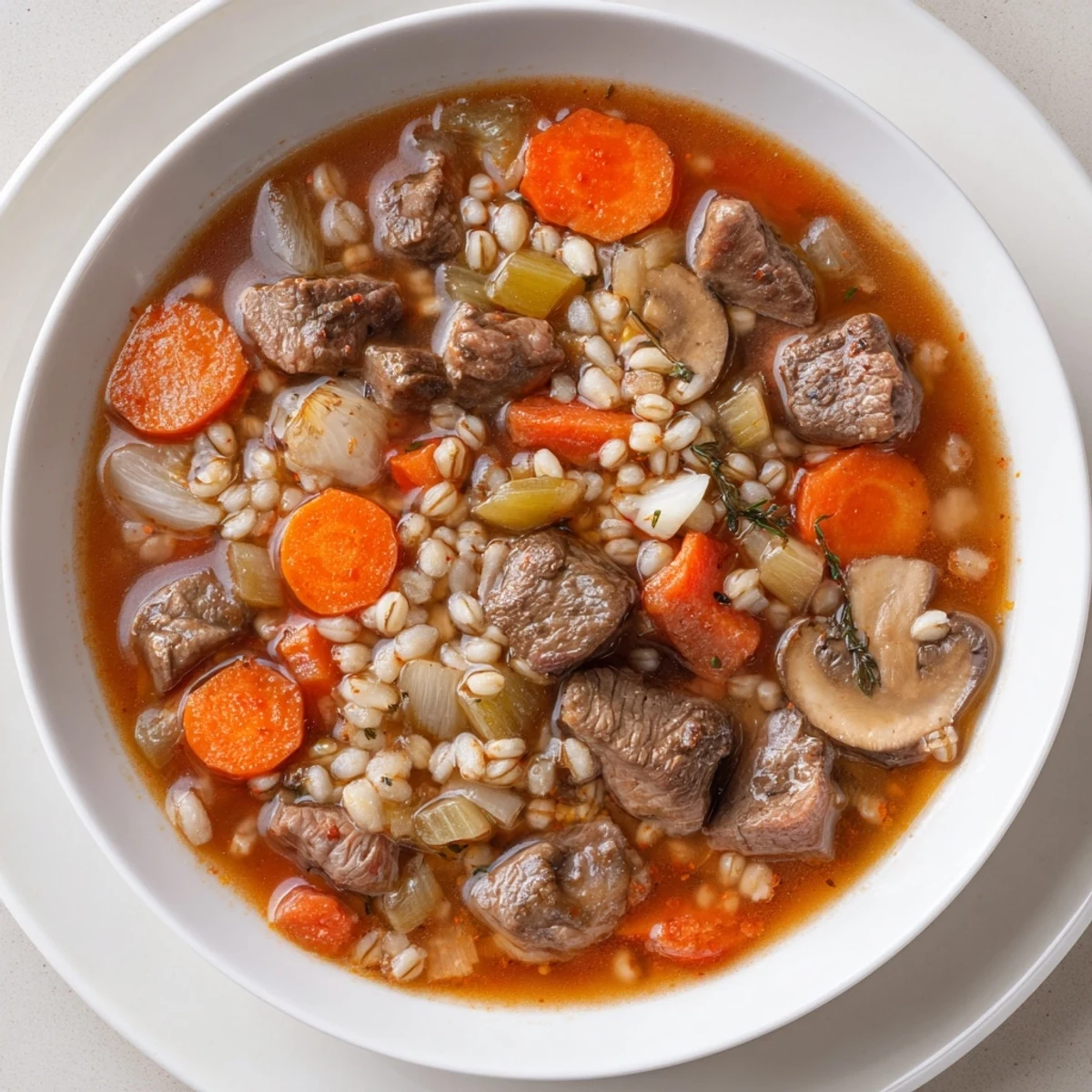
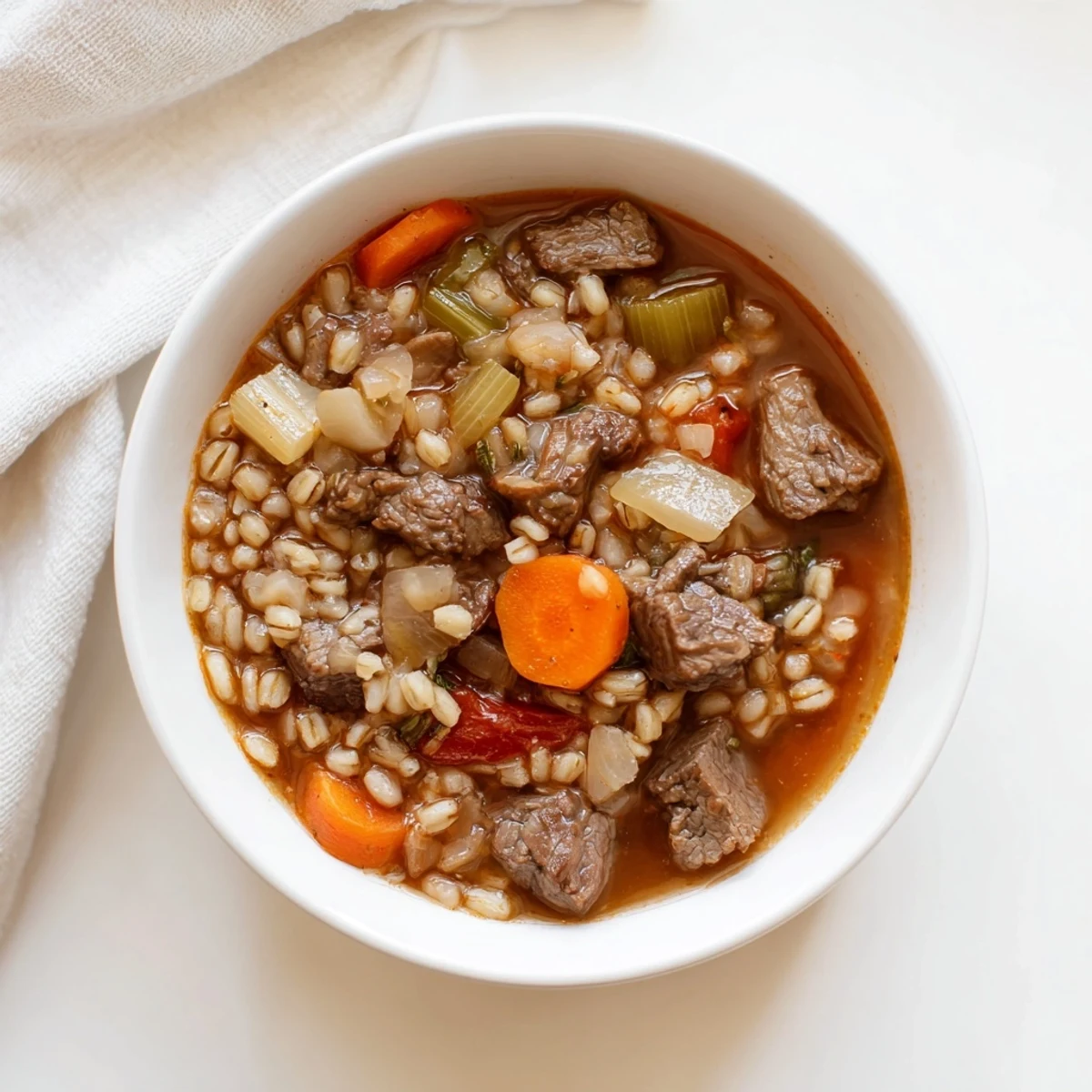
 This comforting dish features tender beef cubes simmered with pearl barley and a fresh mix of vegetables including carrots, celery, and onions. Aromatic herbs like thyme and parsley enhance the rich broth, bringing deep flavor to each spoonful. The slow cooking process allows the barley to soften perfectly while the beef stays tender, creating a hearty, satisfying bowl. Ideal for a cozy meal, it can be made ahead and even tastes better the next day. Serve warm, optionally garnished with fresh parsley or alongside crusty bread.
I first learned to make beef barley soup on a freezing January afternoon when my grandmother taught me her signature recipe in her small kitchen. She stood at the stove with that patient, unhurried way she had, showing me how to coax deep flavor from humble ingredients—beef, barley, and time. That soup became my answer to everything: a sick friend, a lonely evening, the kind of day where the world felt too heavy. Now, whenever I make it, I'm transported back to that warm kitchen, steam rising from the pot, and the promise that something nourishing was coming.
I remember serving this soup to my college roommate after her tough week, watching her take that first spoonful and seeing her shoulders finally relax. That's when I realized this wasn't just dinner—it was a love language written in broth and vegetables, a way of saying I'm here for you without needing the words.
Ingredients
- 1 lb beef stew meat, cut into 1/2-inch cubes: The key is choosing meat with good marbling; it will break down into tender, flavorful pieces as it simmers. Don't skip browning it first—that caramelized surface is where the deep, savory flavor comes from.
- 1 large onion, diced: This becomes the aromatic foundation of your soup. The heat transforms it from sharp and peppery into sweet and mellow.
- 3 carrots, peeled and sliced: They add natural sweetness and turn buttery soft in the long simmer. I always slice them on the bias for a little visual interest.
- 2 celery stalks, sliced: Often overlooked, celery is the unsung hero that builds depth. It's the holy trinity with onion and carrot for a reason.
- 3 cloves garlic, minced: Fresh garlic makes all the difference. Add it after the other vegetables soften so it doesn't burn and turn bitter.
- 1 cup mushrooms, sliced (optional): These are my secret for extra umami richness. I use cremini or baby bellas for their earthiness.
- 1 can diced tomatoes, undrained: The acidity brightens everything and adds a subtle sweetness. Always use canned; the tomatoes are picked at peak ripeness.
- 2/3 cup pearl barley, rinsed: This grain is magic—it absorbs the broth and becomes tender while keeping its texture. Rinsing removes starch and prevents excessive mushiness.
- 8 cups beef broth and 1 cup water: The liquid is everything. Good broth makes good soup. If yours is very salty, use more water.
- 1 bay leaf, 1 tsp dried thyme, 1 tsp dried parsley: These herbs whisper in the background, building a complex flavor that tastes like hours of cooking in minutes.
- 1/2 tsp black pepper and 1/2 tsp salt: Taste as you go; you'll likely need more salt than you think, especially if your broth is low-sodium.
- 2 tbsp olive oil: Use a robust olive oil for browning the meat; it sets the flavor foundation for everything that follows.
Instructions
- Brown the beef:
- Heat your olive oil in a large soup pot over medium-high heat until it shimmers and smells alive. Add the beef cubes in batches—don't crowd the pot or they'll steam instead of sear. You want a deep golden crust on each piece, which takes about 5 minutes total. This isn't just browning; you're building flavor. Remove the beef to a plate and set aside.
- Sauté the aromatics:
- In that same pot with all those browned bits stuck to the bottom, add your diced onion, carrot, and celery. Stir often and let them soften for 5 to 6 minutes until the onion becomes translucent and the kitchen smells amazing. Add your minced garlic and cook for just 1 minute more—you want it fragrant but not brown.
- Build your soup:
- Return that beautiful browned beef to the pot. Add the mushrooms if you're using them, then pour in the canned tomatoes with all their juice—don't skip that part. Add the rinsed barley, beef broth, water, thyme, parsley, bay leaf, pepper, and salt. Stir everything together and feel the anticipation building.
- Simmer low and slow:
- Bring the pot to a boil—you'll see it bubble and steam rise—then immediately turn the heat down low. Cover the pot with a lid and let it simmer gently for 1 hour and 15 minutes. Stir occasionally, just enough to make sure nothing sticks to the bottom. This is when the magic happens: the beef becomes tender, the barley swells and becomes creamy, and all those flavors marry into something greater than their parts.
- Finish strong:
- Remove the lid and simmer uncovered for another 20 to 25 minutes. This allows some liquid to evaporate, thickening your soup and concentrating the flavors. The beef should shred easily with a fork, and the barley should be tender but not mushy.
- Season and serve:
- Fish out that bay leaf and taste a spoonful. Adjust the salt and pepper to your liking. Ladle it into bowls, top with fresh parsley if you have it, and serve alongside warm, crusty bread. That's when you know you've done something right—when someone reaches for seconds without asking.
 Save to Pinterest
 The first time someone told me this soup reminded them of their childhood, I understood something profound: food is memory, and a good recipe is a love letter to whoever eats it. This soup has that power.
Why Barley?
Barley is an ancient grain that's been sustaining people for thousands of years, and once you taste it in soup, you'll understand why. It has a subtle, nutty sweetness and a tender-chewy texture that creates body and substance without heaviness. Unlike pasta or rice, barley holds its shape while becoming silky, absorbing the broth like a sponge while adding its own quiet flavor. It's also more nutritious and fiber-rich than refined grains, making this soup genuinely good for you while tasting purely comforting.
Make It Your Own
This recipe is a foundation, not a prison. I've made it with spinach wilted in at the end, with extra mushrooms for richness, with a splash of red wine, and even with diced potatoes when I wanted something different. The beauty of a good soup is that it welcomes variation and adapts to what you have on hand and what your body craves on any given day. Some winters I add fresh kale in the last few minutes for brightness. Other times, I'll use a mix of beef and chicken broth for something slightly lighter. The core—beef, barley, vegetable, time—stays the same, but the soul shifts with the seasons.
Serving and Storage Wisdom
This soup genuinely tastes better the second day because all those flavors have time to mingle and deepen. Make it ahead with confidence. Cool it completely, then store it in the fridge for up to 5 days or freeze it for up to 3 months in a freezer-safe container (leave a little headroom for expansion). Reheat gently on the stove, adding water if it's thickened too much. Serve it with good bread, a simple salad, or alongside roasted vegetables. On the coldest nights, a mug of this soup and good company is everything you need.
- Freeze portions in individual containers for quick, nourishing lunches on hectic days
- Add fresh herbs like dill or cilantro after reheating for brightness and a fresh flavor boost
- If you have leftover soup that's thickened, thin it with water or broth and you've got something new again
 Save to Pinterest
 This is the soup I turn to when everything else feels uncertain, when I need to feed someone's body and soul at once. It never fails, and neither will you.
Recipe Questions & Answers
- → What cut of beef is best for this soup?
-
Beef stew meat trimmed and cut into small cubes works best, as it becomes tender after slow simmering.
- → Can I add other vegetables to the soup?
-
Yes, leafy greens like spinach or kale can be added in the last few minutes for extra nutrition.
- → How long should I simmer the soup?
-
Simmer covered for about 1 hour 15 minutes, then uncovered for another 20-25 minutes to thicken and tenderize ingredients.
- → Is it necessary to rinse the pearl barley before cooking?
-
Rinsing helps remove excess starch and any impurities, ensuring a cleaner texture in the final dish.
- → Can I prepare this soup in advance?
-
Yes, flavors deepen when allowed to rest overnight, making it an excellent make-ahead option.