
 Save to Pinterest
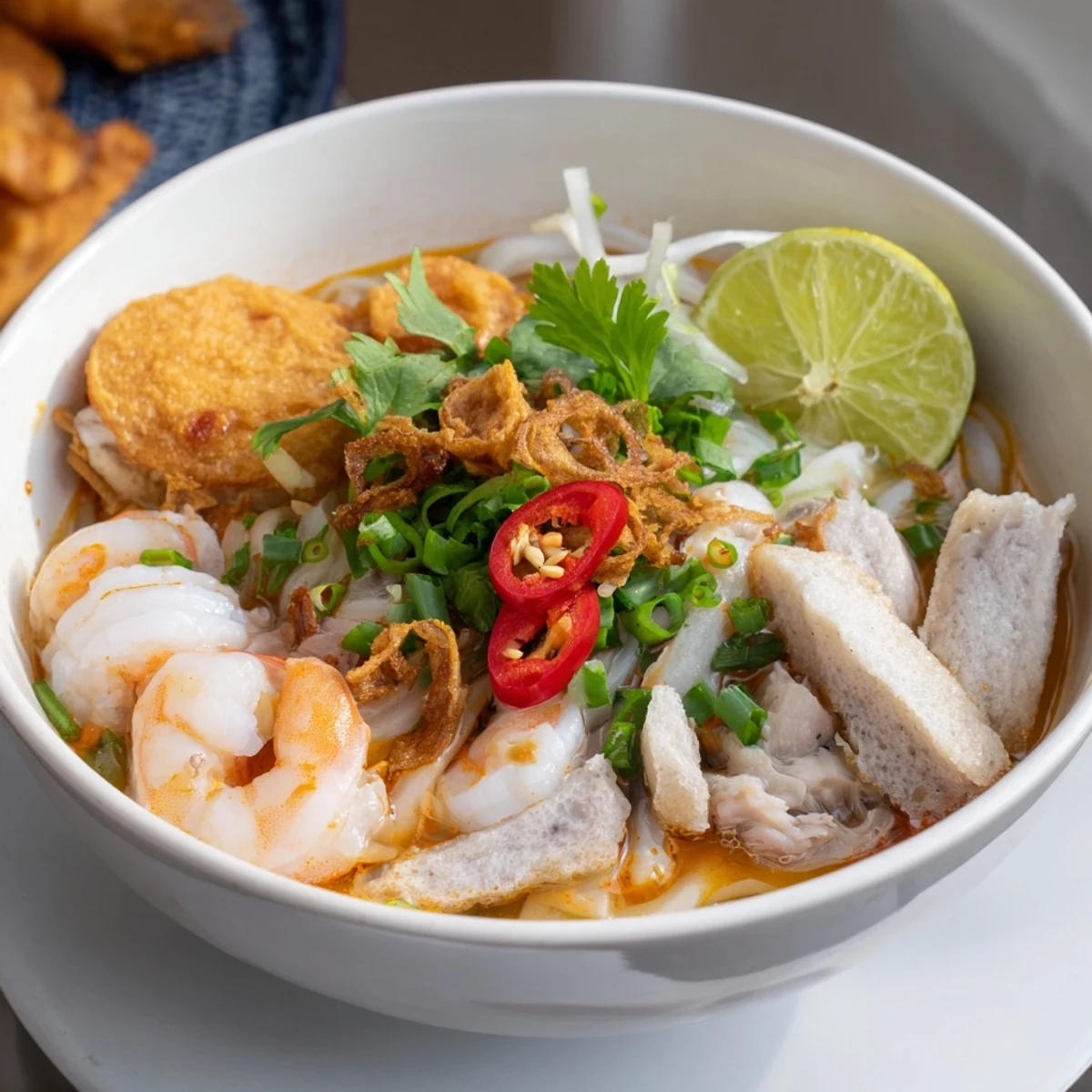
 This Vietnamese classic combines thick, chewy tapioca noodles with a deeply savory broth built from chicken stock and pork bones. The dish features generous portions of fresh crab meat, plump shrimp, and sliced fish cakes, all swimming in an aromatic broth infused with onion, garlic, and fish sauce.
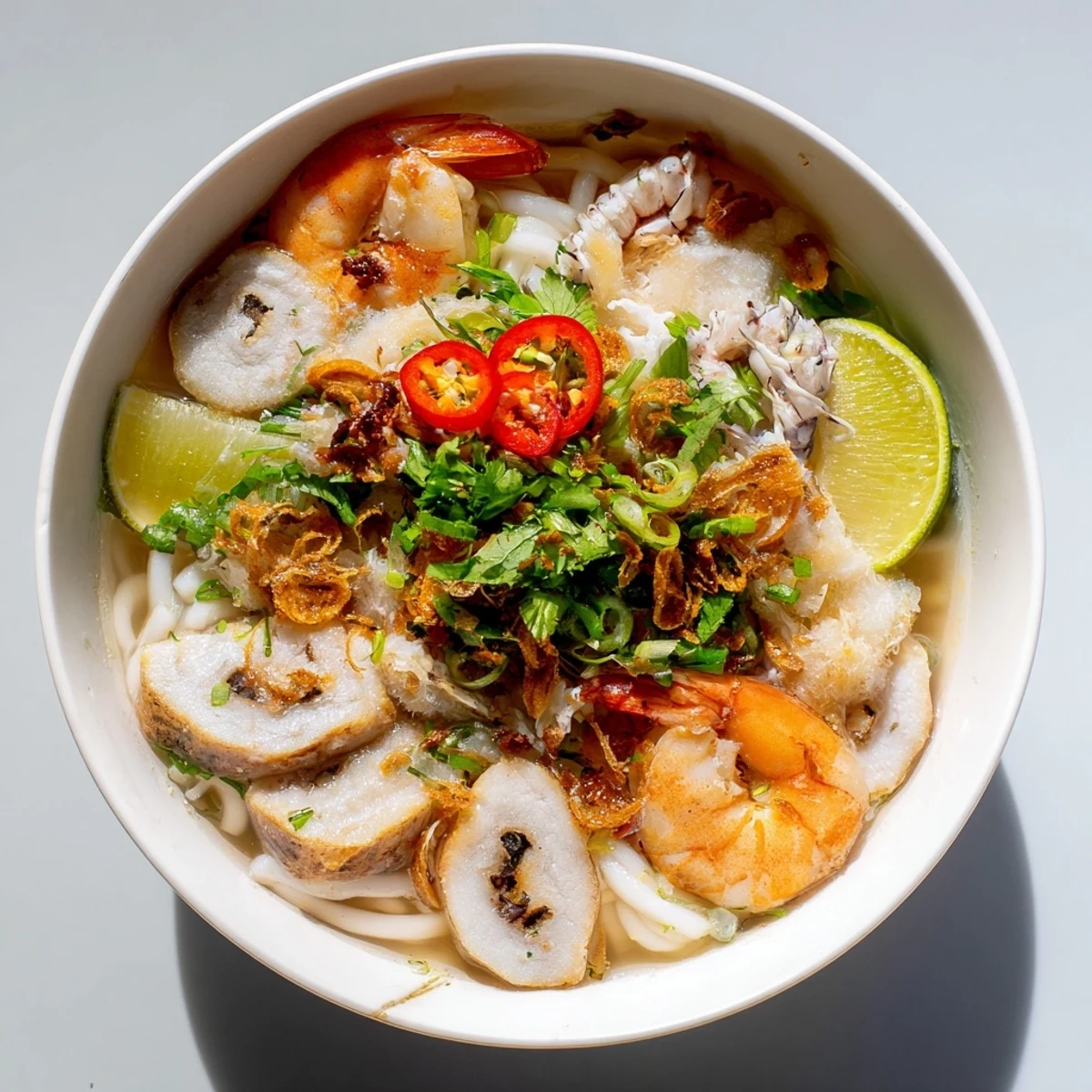
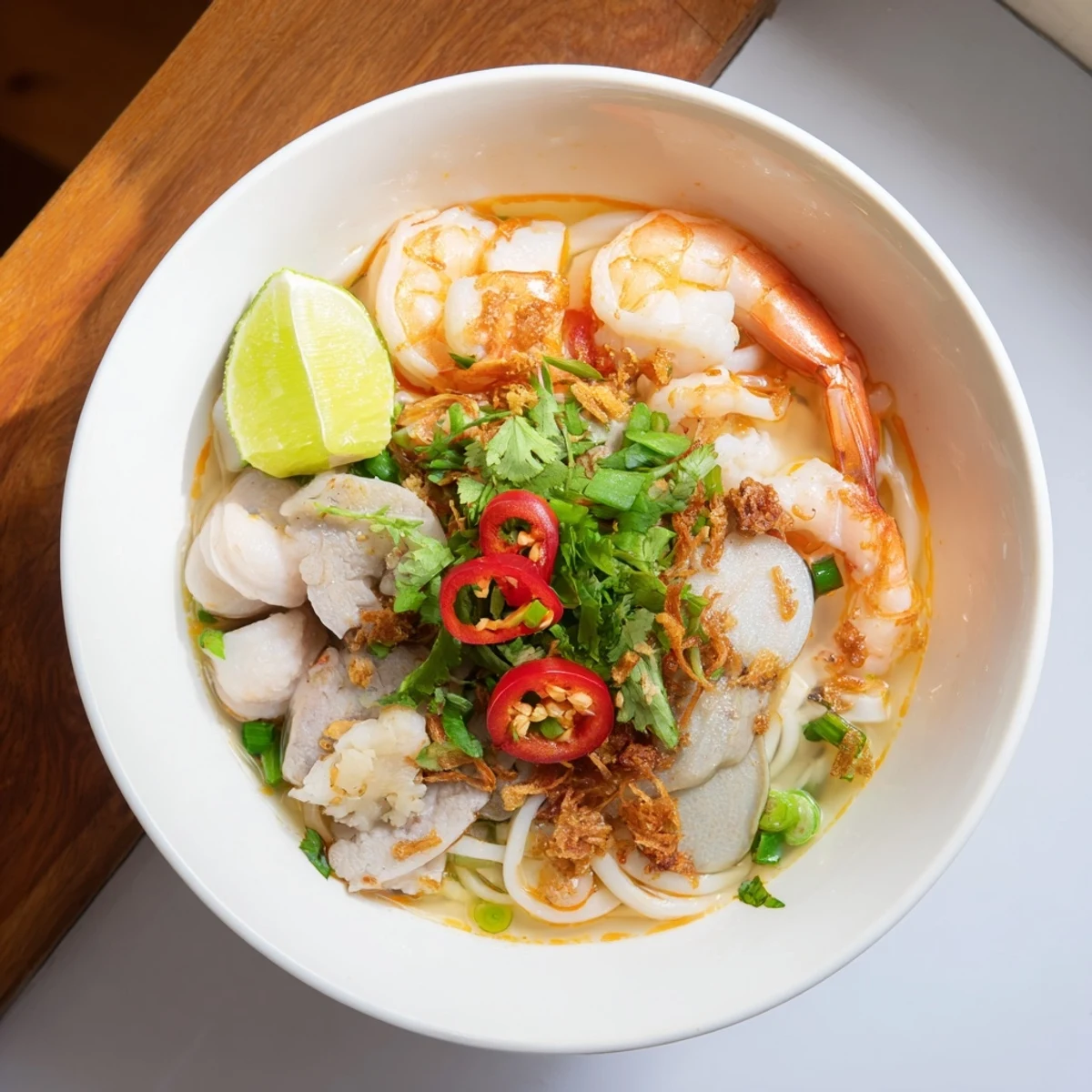
What sets Banh Canh Cua apart is its texture profile—the substantial, slippery noodles provide satisfying chew, while the broth delivers umami depth from the seafood and bones. Each bowl gets finished with crispy fried shallots, fresh cilantro, spring onions, and a squeeze of lime, creating layers of flavor and crunch.
Perfect for cooler weather or when you crave something comforting yet vibrant, this dish serves four and comes together in just over an hour.
The first time I had banh canh cua was at a tiny street stall in Saigon, where the steam rising from bowl after bowl created this aromatic cloud that pulled me in from half a block away. The owner worked with this confident rhythm, dropping thick chewy noodles into broth that smelled like the ocean and comfort all at once. I remember watching her ladle that golden soup over mounds of crab and shrimp, thinking this was something I needed to understand. It took me years of experimenting to get that same velvety richness in my own kitchen, but now it is the soup my friends request most often.
Last winter my friend Kim came over after a rough week at work, and I put a steaming bowl of this in front of her without saying much. She took one sip of that fragrant broth and actually stopped talking for a full minute, which is saying something. Later she told me the soup reminded her of Sundays at her grandmother house, which is exactly the kind of memory food should hold. We sat at the kitchen table until the bowls were empty, the warmth spreading through us while the rain tapped against the window.
Ingredients
- 1.2 liters chicken stock: Use homemade if you can, but a good quality store bought version works perfectly fine
- 400 g pork bones: Blanching them first removes impurities that would cloud your beautiful clear broth
- 1 yellow onion: Halved and added raw, it sweetens the soup as it simmers away
- 2 cloves garlic: Smashed, not minced, so the flavor infuses gently without becoming bitter
- 1 tsp salt and sugar: This balance brings out the natural sweetness of the crab and shrimp
- 1 tbsp fish sauce: Add it near the end of cooking to preserve its delicate aroma
- 300 g fresh crab meat: I prefer picking fresh crab, but quality lump crab meat from the seafood counter works too
- 150 g shrimp: Peeled and deveined, leave them whole for a beautiful presentation in the bowl
- 200 g fish cakes: Sliced into rounds, they add a pleasant bouncy texture and mild sweetness
- 400 g banh canh noodles: These thick tapioca noodles are what make this soup so distinctive and satisfying
- 2 spring onions: Finely sliced, they add a fresh bite against the rich broth
- 2 tbsp fried shallots: Do not skip these, they bring a crispy savory element that makes the dish complete
- 1 small bunch cilantro: Chopped roughly for that herbaceous freshness
- 1 red chili: Sliced thin for those who like heat, but keep it on the table so everyone can choose
- Lime wedges: A squeeze right before eating brightens the entire bowl
Instructions
- Build the broth foundation:
- Combine your chicken stock, blanched pork bones, onion halves, smashed garlic, salt, and sugar in a large pot. Bring everything to a boil, then lower the heat and let it simmer gently for 30 minutes. Skim off any foam that rises to the top so your broth stays clear and beautiful.
- Add depth and finish aromatics:
- Stir in the fish sauce, then carefully remove the pork bones and onion from the broth. They have done their job and you want a clean soup for serving.
- Cook the shrimp just right:
- Add the peeled shrimp to the simmering broth and cook for just 2 to 3 minutes until they turn pink and opaque. Remove them immediately so they do not become tough, and set them aside for assembly.
- Infuse crab and fish cake flavors:
- Add the crab meat and sliced fish cakes to the broth, letting them simmer gently for 5 to 7 minutes. The seafood releases its sweet briny notes into the soup while cooking through.
- Prepare the noodles:
- Cook your banh canh noodles according to the package instructions, then drain and rinse them lightly. This quick rinse stops the cooking and keeps them from clumping together.
- Assemble each bowl:
- Divide the cooked noodles among your serving bowls, then arrange the shrimp, crab meat, and fish cakes on top. Let everyone see the beautiful seafood before you ladle in the broth.
- Finish with hot broth:
- Ladle the piping hot broth over the noodles and seafood in each bowl, making sure every ingredient gets coated in that aromatic liquid.
- Garnish generously:
- Sprinkle spring onions, fried shallots, cilantro, and sliced chili over each bowl. Serve with lime wedges and fresh black pepper on the side so everyone can season to their taste.
 Save to Pinterest
 This soup has become my answer to everything, from cold rainy days to celebrating small wins at work. There is something about the combination of slippery noodles and sweet crab that feels like being hugged from the inside out. Last month I made a triple batch for a gathering, and watching six people huddled over steaming bowls, entirely focused on their food, reminded me why this recipe earned its permanent place in my rotation.
Getting The Broth Just Right
I have learned that clearing the foam as it rises during the first few minutes makes all the difference in clarity. Do not rush the simmering time, even if you are hungry. Those 30 minutes are when the pork bones and aromatics become friends, creating a broth that tastes like it simmered all day.
Making It Your Own
Sometimes I add a splash of annatto oil for that beautiful golden red color you see in restaurants. A bit of crab paste stirred in also deepens the seafood flavor if you want something more intense. My aunt likes to add quail eggs, which bob happily in the broth like little treasures waiting to be discovered.
Serving It Up
Set up a garnish station and let people top their own bowls, which always makes the meal feel more interactive and fun. The noodles will continue absorbing broth, so serve immediately once everything is assembled.
- Keep extra lime wedges on hand, some people love it quite tart
- Have a bottle of fish sauce at the table for seasoning adjustments
- Small bowls of chili garlic oil make a great spicy addition for those who want more heat
 Save to Pinterest
 There is something meditative about preparing this soup, the rhythm of chopping garnishes and simmering broth that calms the kitchen. I hope this recipe finds its way into your regular rotation, bringing warmth and comfort to your table too.
Recipe Questions & Answers
- → What makes Banh Canh noodles different from other Vietnamese noodles?
-
Banh Canh noodles are made from tapioca starch and rice flour, giving them a thick, chewy texture similar to udon but with more bounce. Unlike rice vermicelli or pho noodles, they have a translucent appearance and slippery mouthfeel that holds up beautifully in rich broths.
- → Can I make this with imitation crab?
-
Absolutely. Imitation crab or surimi works well in this dish and is actually quite common in home versions. The key is to add it toward the end of cooking just to heat through, as prolonged simmering can make it tough. Fresh crab meat delivers superior sweetness, but imitation provides a budget-friendly alternative.
- → How do I prevent the noodles from sticking together?
-
After cooking the noodles, drain and rinse them briefly under cool water to remove excess starch. Toss with a tiny splash of oil if holding them before serving. When assembling bowls, work quickly and ladle hot broth over immediately to keep them separated and warm.
- → What can I substitute for fish cakes?
-
You can use thinly sliced fish fillets (white fish like tilapia or cod work well), additional shrimp, or even fried tofu puffs. Some home cooks add quail eggs for extra protein. The goal is maintaining variety in textures and seafood flavors throughout the bowl.
- → Is the broth spicy?
-
The base broth itself isn't spicy—it focuses on savory, umami flavors from fish sauce, seafood, and aromatics. Heat comes from fresh sliced chilies served as a garnish, allowing each person to customize their spice level. You can also add chili oil or sriracha at the table if desired.
- → Can I prepare components ahead of time?
-
The broth actually improves when made a day ahead—flavors deepen and meld beautifully. Store broth and seafood separately in the refrigerator. Noodles are best cooked fresh, but you can prep all garnishes like fried shallots, sliced onions, and cilantro in advance. Reheat broth until steaming before assembling bowls.