
 Save to Pinterest
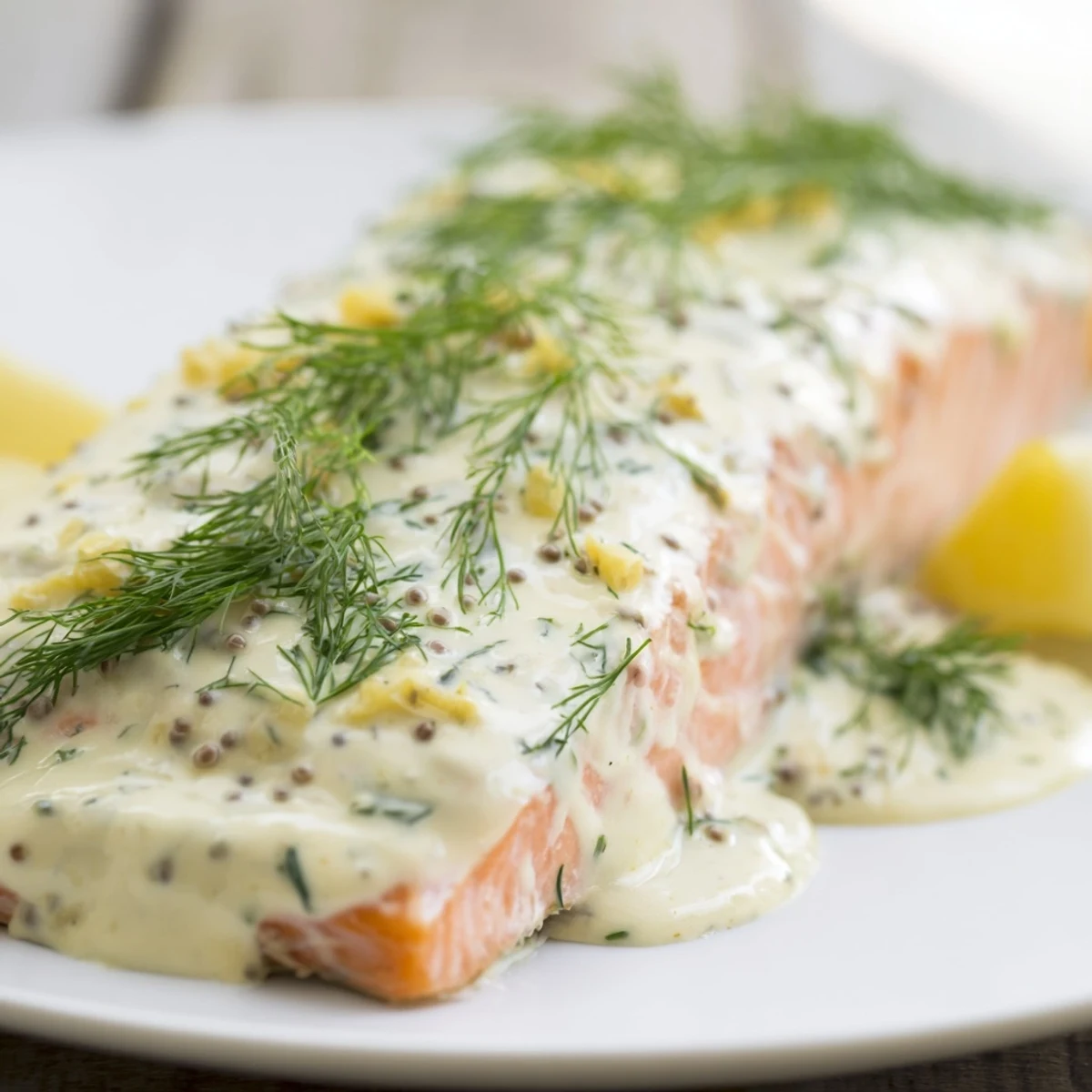
 This dish features tender salmon fillets baked to perfection and topped with a creamy sauce blending Dijon and whole grain mustard, fresh dill, mayonnaise, lemon juice, honey, and garlic. The salmon is seasoned simply with olive oil, salt, and pepper, then baked until just cooked through. The sauce adds a vibrant, tangy flavor that complements the fish, garnished with extra dill and lemon wedges for freshness. Suitable for pescatarian and gluten-free diets, this elegant meal comes together quickly and pairs well with roasted potatoes or steamed vegetables.
The first time I made this was completely unplanned—I had salmon thawing on the counter and a friend texting that they were stopping by in an hour. No time for anything fussy, so I threw together what I had: mustard from the back of the fridge, mayo, and a handful of fresh dill I'd impulse-bought at the market. What emerged from the oven was so ridiculously good that I've made it at least once a month since. It's one of those recipes that feels impressive but never stresses me out.
I remember one winter evening when my partner's parents came over unexpectedly, and I panicked in the best way. I'd already planned this salmon, but suddenly I was feeding four instead of two. I doubled the sauce, threw extra fillets on the sheet, and opened a bottle of wine to calm my nerves. By the time we sat down, everyone was raving about how elegant everything looked, and I was grinning into my glass because the hardest part had been peeling a garlic clove.
Ingredients
- Salmon fillets (4, about 170 g each): Look for fillets that smell like the ocean, not fishy—that's your first clue they're fresh. Skin-on keeps them moist, but either way works beautifully.
- Olive oil: Nothing fancy needed, just enough to create a light protective layer so the fish doesn't stick to the pan.
- Salt and black pepper: Taste as you go; the sauce brings plenty of flavor, so you don't need to oversalt at this stage.
- Dijon mustard (3 tablespoons): This is the sharp backbone that keeps the sauce from tasting one-dimensional.
- Whole grain mustard (2 tablespoons): Those little seeds add texture and a softer, slightly sweet mustard note.
- Mayonnaise (3 tablespoons): The secret binder that makes everything creamy and silky without needing cream.
- Fresh dill (2 tablespoons, plus extra for garnish): Chop it by hand if you can—a knife is gentler on those delicate fronds than anything mechanical.
- Fresh lemon juice (1 tablespoon): Squeeze it fresh; bottled never quite captures that brightness.
- Honey (1 teaspoon): Just a whisper to round out the mustard's edge and add subtle depth.
- Garlic clove (1, minced): One is enough—garlic in a cold sauce carries farther than you'd think.
- Lemon wedges: For serving and that final squeeze of acid that ties everything together.
Instructions
- Heat your oven and prep your pan:
- Get the oven to 200°C (400°F) and line a baking sheet with parchment paper or a light spray of nonstick—this saves you from the sticky salmon situation every time. Everything after this happens quickly, so this little bit of setup is your safety net.
- Dry and season the salmon:
- Pat those fillets completely dry with paper towels; any moisture hanging around will steam instead of roast. Lay them skin-side down, brush gently with oil, and season with salt and pepper—be honest with the seasoning, but remember the sauce is salty too.
- Roast until just opaque:
- Pop the pan into the oven for 12 to 15 minutes depending on thickness. You're looking for that moment when the fish is barely opaque in the thickest part—it will keep cooking slightly after you pull it out, so don't wait for it to look fully done.
- Build the sauce while salmon cooks:
- Whisk together both mustards, mayo, dill, lemon juice, honey, and minced garlic in a small bowl until completely smooth. Taste it and adjust—if it feels too sharp, add a touch more mayo; if it's flat, squeeze in a bit more lemon.
- Plate and crown with sauce:
- As soon as the salmon comes out, transfer the fillets to plates or a serving platter. Spoon the sauce generously over each fillet, letting it pool slightly so you get sauce in every bite.
- Finish and serve immediately:
- Scatter extra dill over the top, add lemon wedges to the plate, and get everything to the table while the fish is still warm. This dish doesn't hold well once plated, so don't hesitate.
 Save to Pinterest
 There was this one dinner where a friend who claimed to hate fish tried it without knowing what it was and asked for seconds. That's when I understood this recipe isn't about convincing people to eat salmon—it's about making salmon taste like something they already love.
The Sauce Is Everything
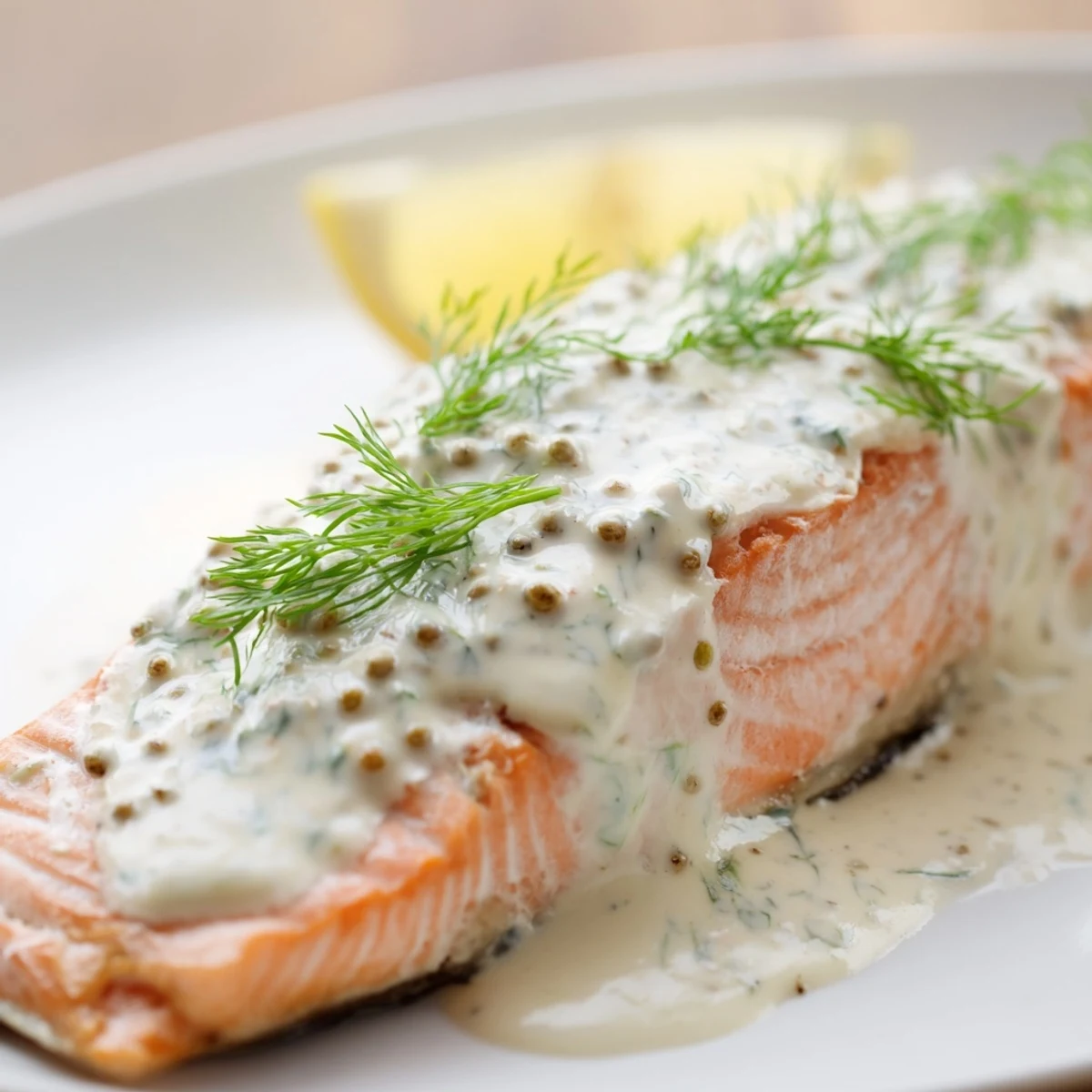
The magic of this dish lives entirely in that dill and mustard sauce. It's tangy from the mustards and lemon, creamy from the mayo, and herbaceous from the fresh dill in a way that makes the simple roasted fish feel complete and intentional. I've learned to taste it as I whisk and adjust before the salmon even comes out of the oven—a little more lemon if it feels flat, a pinch more dill if it tastes too mustardy.
Pairing and Sides
This salmon wants company that doesn't fight for attention. Roasted potatoes soak up the sauce beautifully, and steamed broccoli or asparagus adds a clean vegetable note. I've also served it alongside a simple green salad dressed with lemon vinaigrette, which echoes the brightness of the sauce without overwhelming the plate.
Variations and Substitutions
The framework here is flexible enough that you can make it your own depending on what's in your kitchen or what you're craving. I've swapped in Greek yogurt for a lighter version, and honestly, it's nearly as good—slightly tangier but less rich. The dill is non-negotiable if you can get fresh, but dried works in an absolute pinch.
- Use Greek yogurt instead of mayonnaise for a lighter sauce that's still creamy and delicious.
- If you don't have whole grain mustard, use an extra tablespoon of Dijon and lose nothing important.
- A splash of dry white wine or vermouth whisked into the sauce adds subtle depth if you're feeling adventurous.
 Save to Pinterest
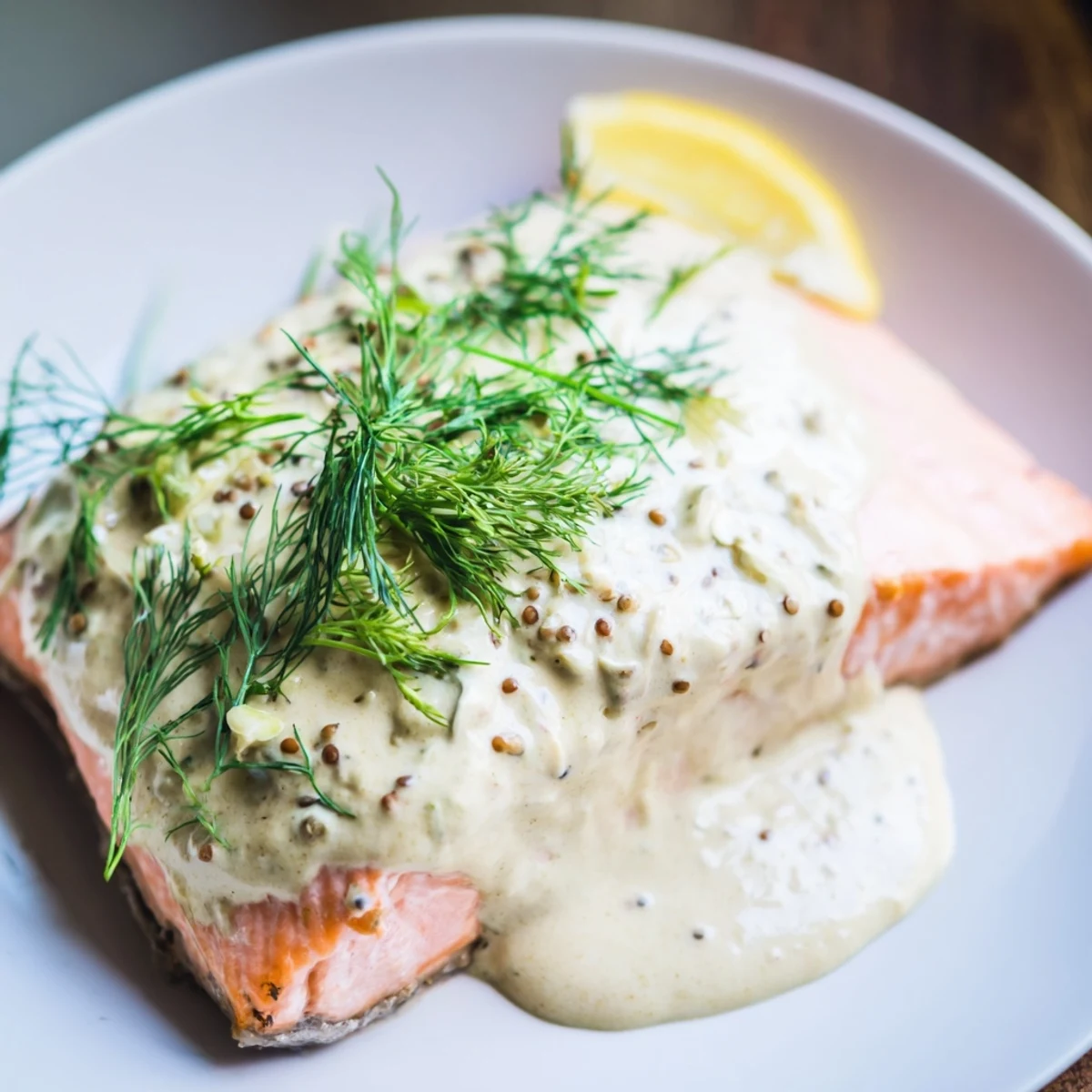
 This recipe has quietly become one of my most reliable weeknight saves and my go-to when I want to impress without fussing. It's proof that the simplest dishes are often the best ones.
Recipe Questions & Answers
- → What is the best way to bake salmon for moist results?
-
Pat the salmon dry, brush with olive oil, season simply, and bake at 200°C (400°F) until opaque in the center, about 12-15 minutes to keep it moist.
- → Can I substitute mayonnaise in the sauce?
-
Yes, Greek yogurt can be used as a lighter alternative while maintaining creamy texture and tang.
- → How does fresh dill affect the flavor compared to dried?
-
Fresh dill offers a brighter, more vibrant flavor, but dried dill can be used with slightly less intensity.
- → What sides pair well with baked salmon and dill mustard sauce?
-
Roasted potatoes, steamed vegetables, or a crisp green salad complement this dish nicely.
- → Is this dish suitable for gluten-free diets?
-
Yes, all main ingredients are gluten-free. Check mustard and mayonnaise labels to ensure no hidden gluten.