
 Save to Pinterest
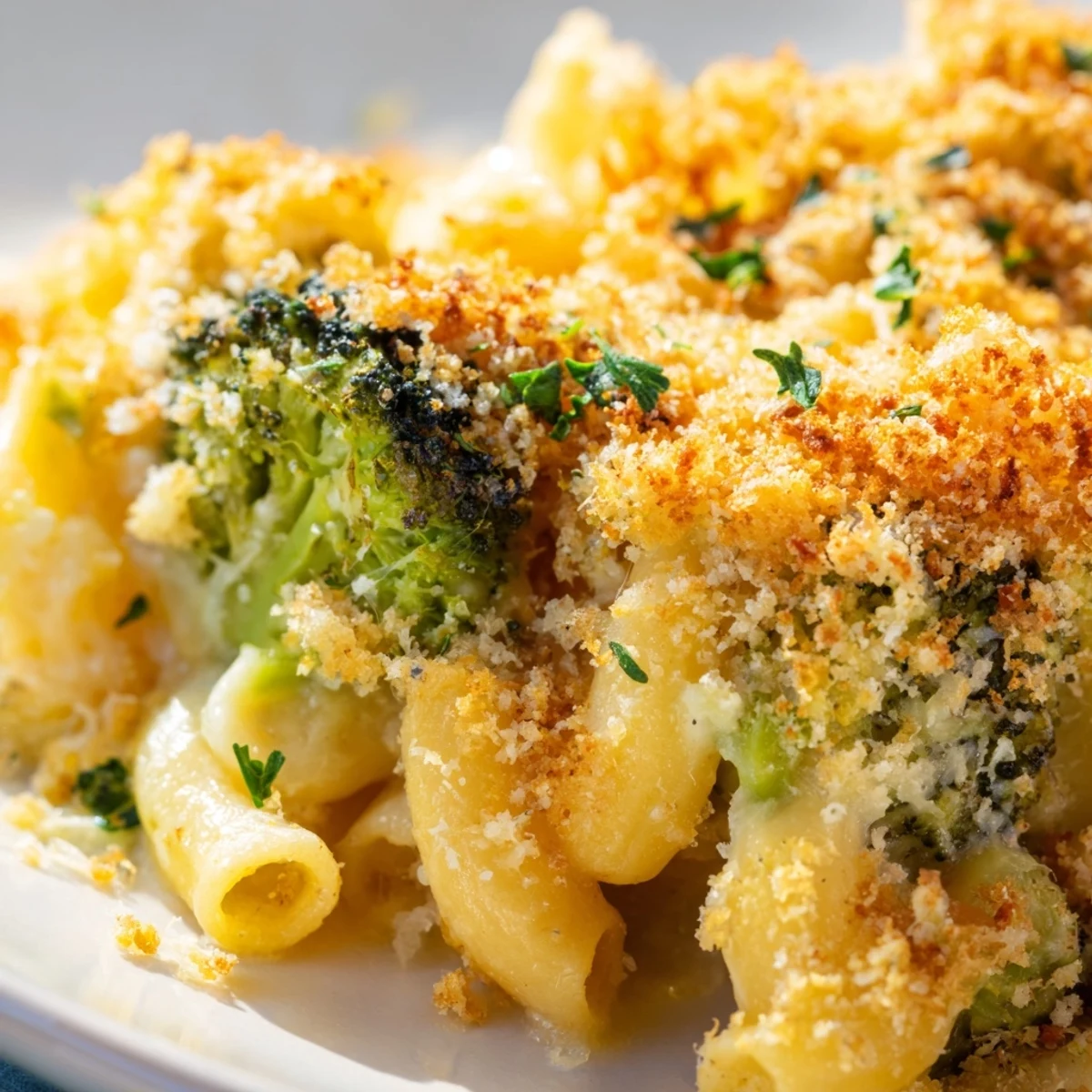
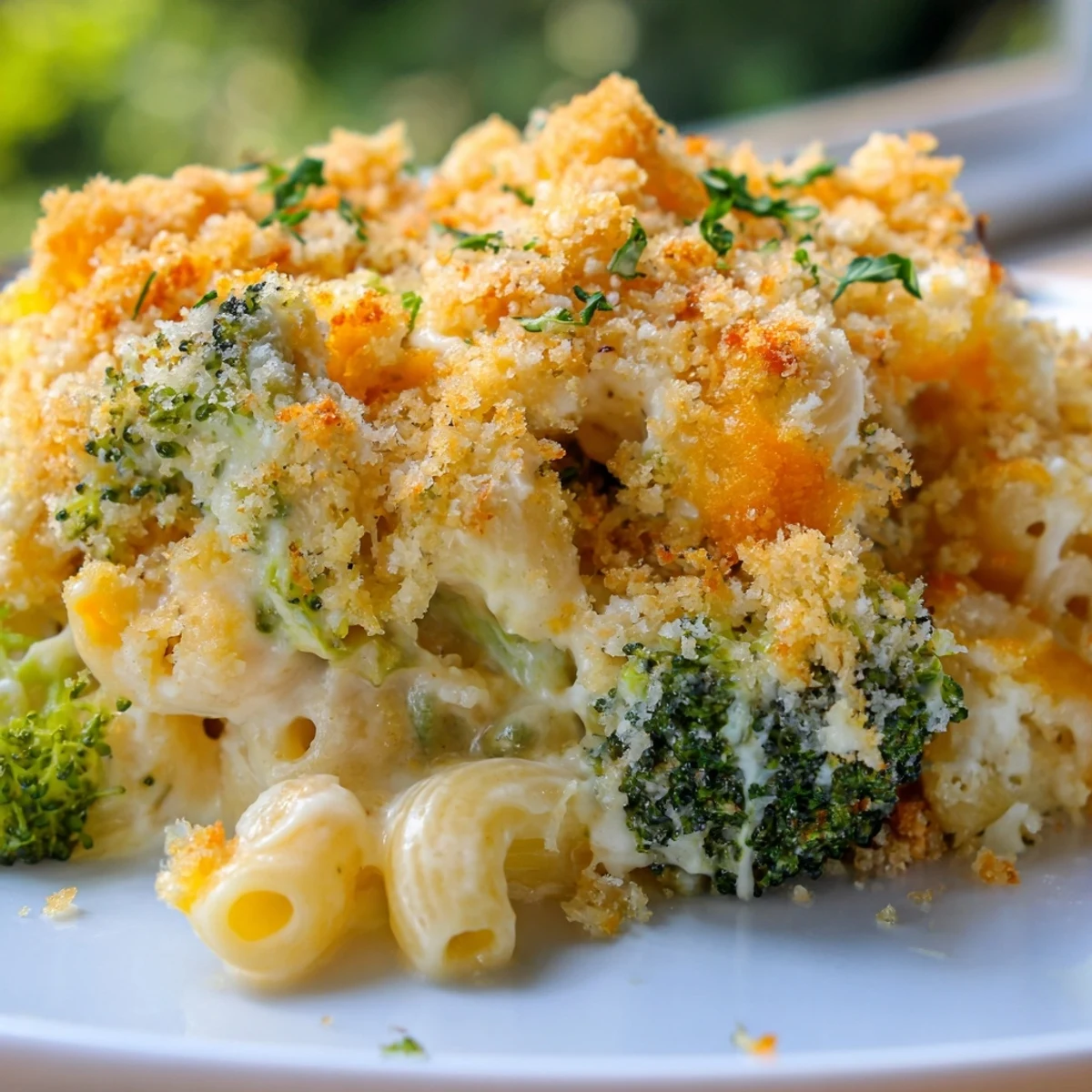
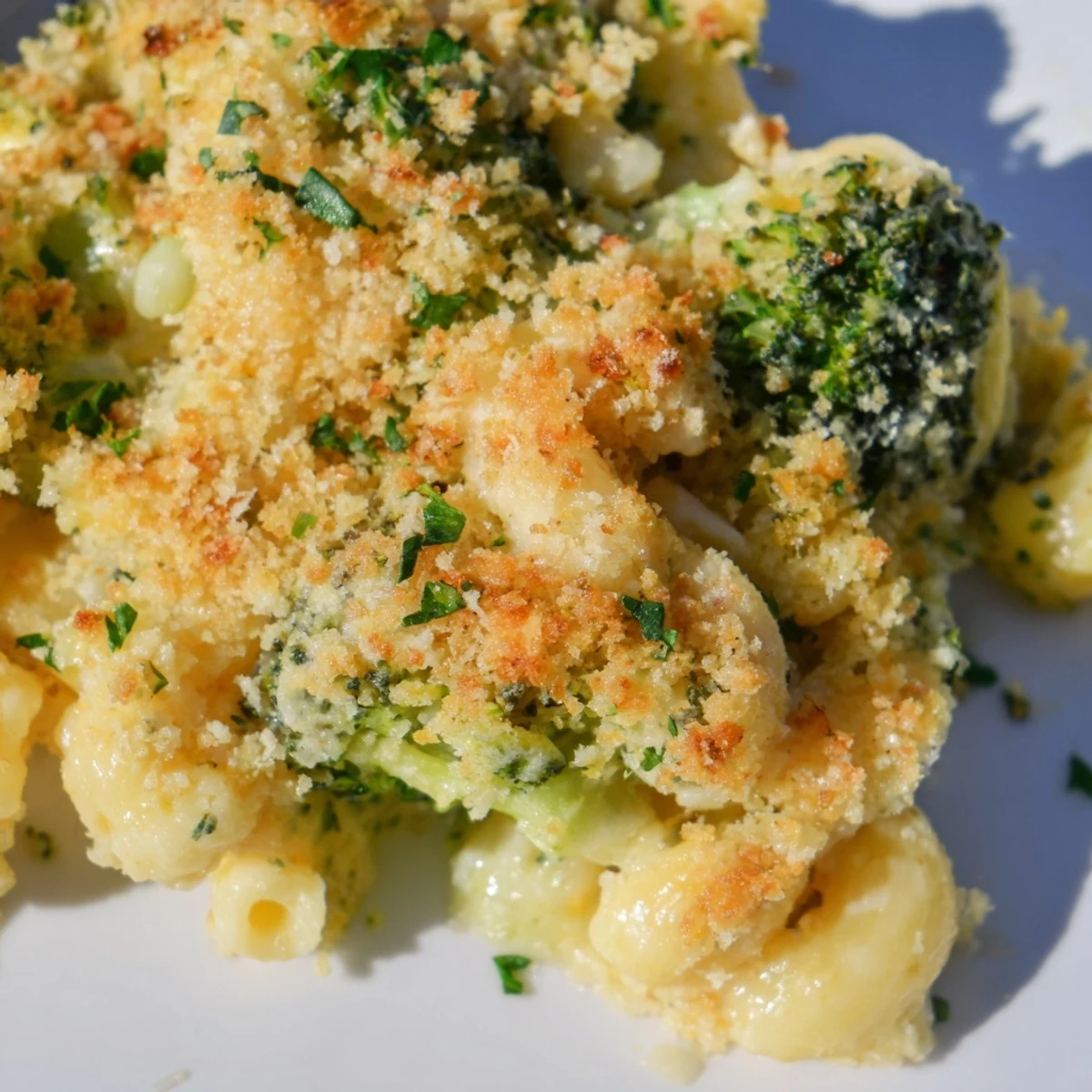
 This dish features elbow macaroni and fresh broccoli florets gently cooked until just tender, then enveloped in a velvety cheese sauce combining sharp cheddar, mozzarella, and Parmesan. After mixing, it’s topped with buttery breadcrumbs and baked to a golden, bubbling finish. Seasoned with Dijon mustard, garlic, and onion powders, the dish offers a rich and comforting experience perfect for a vegetarian main. Simple prep and baking deliver a satisfying meal that balances creamy textures with a crispy topping.
The first time I made mac and cheese from scratch, I stood in front of my open fridge staring at a block of sharp cheddar, wondering if I was overthinking something so simple. My grandmother had always made hers with just cheese and butter, but I wanted to understand why some versions were silky and others turned grainy. Adding broccoli felt like a small rebellion at the time, but it turned a side dish into something that actually felt like dinner.
I served this to my friend Marcus on a Tuesday night when he mentioned offhand that he'd never had homemade mac and cheese. Watching him take a second bite and close his eyes said more than any compliment could. He asked for the recipe before he finished his plate, and I realized then that comfort food isn't really about the ingredients—it's about someone caring enough to make something warm.
Ingredients
- Elbow macaroni (340 g): The shape matters because those little curves trap sauce; don't use long pasta here.
- Fresh broccoli florets (300 g): Cut them smaller than you think because they'll soften more than you expect, and small pieces blend into the dish instead of sticking out.
- Unsalted butter (4 tbsp for sauce): Unsalted gives you control over the final salt level; salted butter is a betrayal of balance in a creamy sauce.
- All-purpose flour (4 tbsp): This is your thickener; it turns everything silky and prevents the sauce from being watery or broken.
- Whole milk and heavy cream (3 cups plus 1 cup): The ratio of milk to cream matters; too much cream makes it heavy, too much milk makes it thin.
- Sharp cheddar cheese (2 cups shredded): Sharp, not mild—mild cheese tastes like plastic once it's melted into a sauce.
- Mozzarella cheese (1 cup): This keeps the sauce smooth and stretchy instead of becoming grainy; it's the secret ingredient nobody mentions.
- Parmesan cheese (1/4 cup plus 1/2 cup for topping): Grated, never pre-shredded because the anti-caking powder ruins the texture of a sauce.
- Dijon mustard (1 tsp): One teaspoon cuts through the richness without making it taste mustardy; trust the amount.
- Garlic powder, onion powder, salt, black pepper: These live in the background but create depth—they're why this tastes like something and not just melted cheese.
- Panko breadcrumbs (1 cup): Panko stays crunchier than regular breadcrumbs; it's the difference between a crispy top and a soggy one.
- Melted butter for topping (2 tbsp): This seals the breadcrumbs so they stay golden instead of drying out in the oven.
- Fresh parsley (1 tbsp optional): A sprinkle of green makes it look intentional, though it's purely visual.
Instructions
- Set your stage:
- Preheat your oven to 190°C (375°F) and grease a 9 x 13-inch baking dish with butter or a light coat of oil. This happens first so you're not scrambling later when your hands are covered in cheese sauce.
- Cook pasta and broccoli together:
- Bring a large pot of salted water to a rolling boil, add the macaroni, and let it cook for exactly 5 minutes. Then add the broccoli florets and cook for another 2-3 minutes until the pasta is just barely al dente and the broccoli is tender but still holds its shape. Drain everything in a strainer, shaking gently to remove excess water—any water left behind will thin out your cheese sauce.
- Build your roux:
- In a large saucepan, melt 4 tablespoons of butter over medium heat until it's foaming slightly. Add the flour all at once and whisk constantly for 1-2 minutes; you're cooking out the raw flour taste and creating a paste that will thicken your sauce.
- Whisk in the dairy:
- Pour in the milk and cream slowly while whisking continuously, moving your whisk in smooth, steady circles to prevent lumps from forming. Keep whisking as the mixture heats up and thickens over 4-5 minutes; you'll feel it go from thin to glossy to truly thick.
- Add the cheese and seasonings:
- Remove the pan from heat, then stir in the cheddar, mozzarella, and Parmesan cheeses along with the Dijon mustard, garlic powder, onion powder, salt, and pepper. Stir gently until everything is melted and combined into a smooth, creamy sauce that coats the back of a spoon.
- Combine and transfer:
- Pour the cooked pasta and broccoli into the cheese sauce and fold gently together, making sure every noodle gets coated. Transfer this mixture into your prepared baking dish, spreading it out evenly.
- Make the topping:
- In a small bowl, toss together the panko breadcrumbs, melted butter, and grated Parmesan until the breadcrumbs are evenly coated and look like damp sand. Sprinkle this mixture evenly across the top of the macaroni.
- Bake until golden:
- Bake for 20-25 minutes until the top is deep golden brown and you can see the sauce bubbling around the edges. Let it cool for 5 minutes before serving so it sets slightly and becomes easier to scoop.
 Save to Pinterest
 My neighbor once asked me why her mac and cheese always turned out stringy and separated, and I realized she was adding cold milk to hot butter. The temperature shock was causing everything to seize up. I walked her through making it again, watching her understand that cooking is just chemistry, and suddenly she wasn't afraid of it anymore. That's when I knew this recipe was worth sharing.
The Cheese Strategy
Using three different cheeses feels fancy but it's actually practical. Sharp cheddar gives flavor and color, mozzarella keeps everything smooth and prevents graininess, and Parmesan adds a subtle nuttiness that lifts the whole dish above basic. I learned this by making the same recipe with just cheddar for months and wondering why restaurant versions tasted better. The answer was never more of one thing; it was the right combination of different things working together.
Variations That Actually Work
The beauty of this dish is that it's forgiving enough for experiments. I've added a splash of white wine to the sauce, stirred in crispy bacon, swapped the broccoli for roasted cauliflower, and topped it with crushed Ritz crackers instead of panko. The structure stays solid because the foundation—the roux, the cheese ratio, the timing—doesn't change. Once you understand how it works, you can trust yourself to improvise.
Making It Your Own
The first rule of cooking something this comforting is that it should taste like home to you, whatever that means. If you love heat, add cayenne or red pepper flakes. If you want earthiness, try swapping some cheddar for Gruyère. If you're feeding someone with dietary restrictions, gluten-free pasta and breadcrumbs swap in seamlessly. The dish adapts because it's built on technique, not pretense, and that's what makes it worth making again and again.
- Taste the sauce before it goes in the oven and adjust salt and pepper then, not at the table.
- If your sauce seems thin, let it simmer for an extra minute or two; it will thicken as it cools slightly.
- Breadcrumb topping can be prepared an hour ahead and stored in the refrigerator; just add it to the dish right before baking.
 Save to Pinterest
 This recipe is proof that the best dishes don't need to be complicated. They just need to be made with attention and shared with people who matter.
Recipe Questions & Answers
- → How do you ensure the broccoli doesn’t get overcooked?
-
Cook the broccoli with the macaroni for only 2-3 minutes until just tender to keep its texture and bright color.
- → What cheeses best complement this dish?
-
Sharp cheddar, mozzarella, and Parmesan combine for a rich, creamy flavor with a nice balance of meltiness and sharpness.
- → Can this dish be made gluten-free?
-
Yes, substitute regular pasta and breadcrumbs with gluten-free alternatives to keep it safe for gluten-sensitive diets.
- → What is the purpose of Dijon mustard in the sauce?
-
Dijon mustard adds a subtle tang that brightens the cheese sauce and enhances its depth of flavor.
- → How do you achieve a crispy topping?
-
Combine panko breadcrumbs with melted butter and Parmesan, then sprinkle over the dish before baking to get a golden, crunchy crust.