
 Save to Pinterest
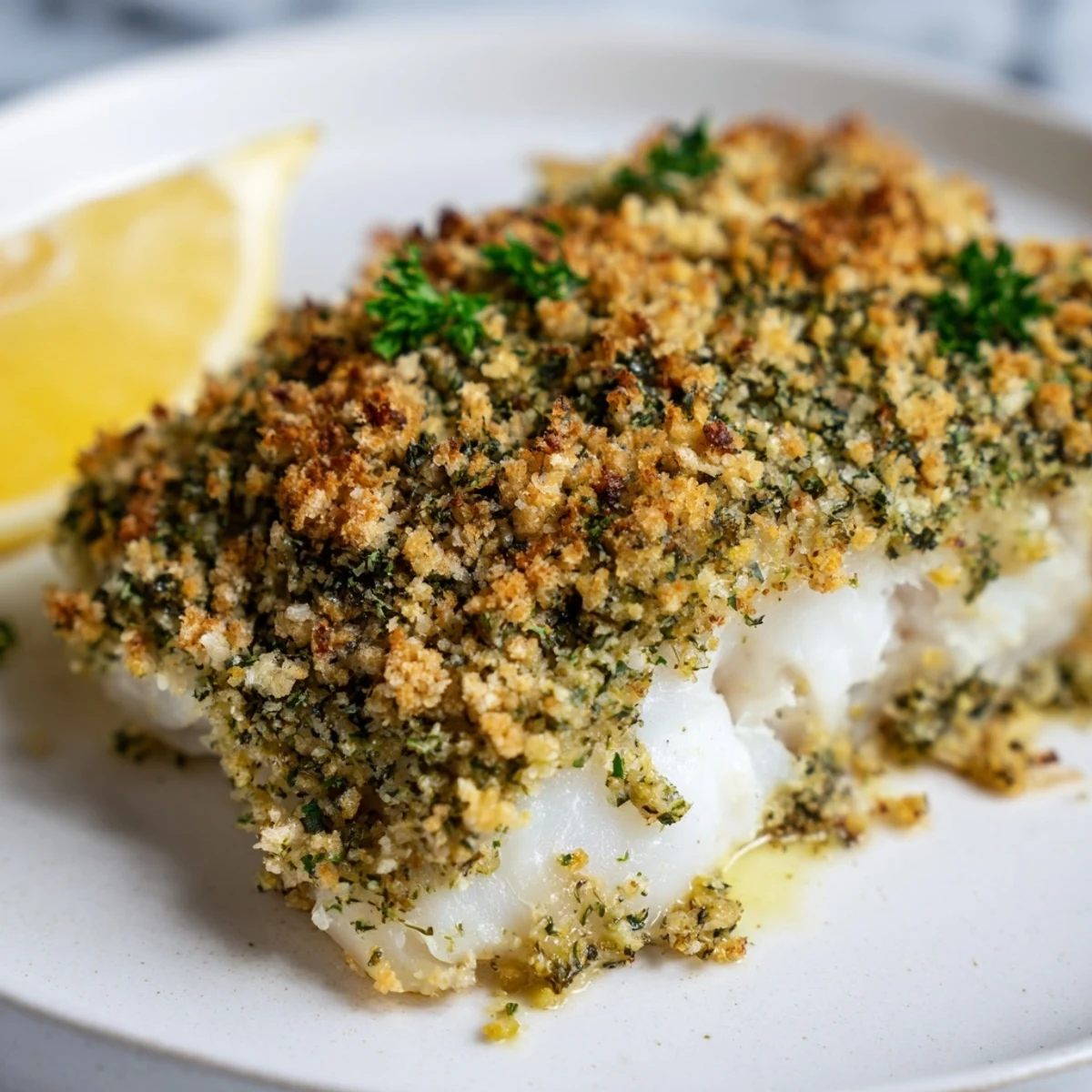
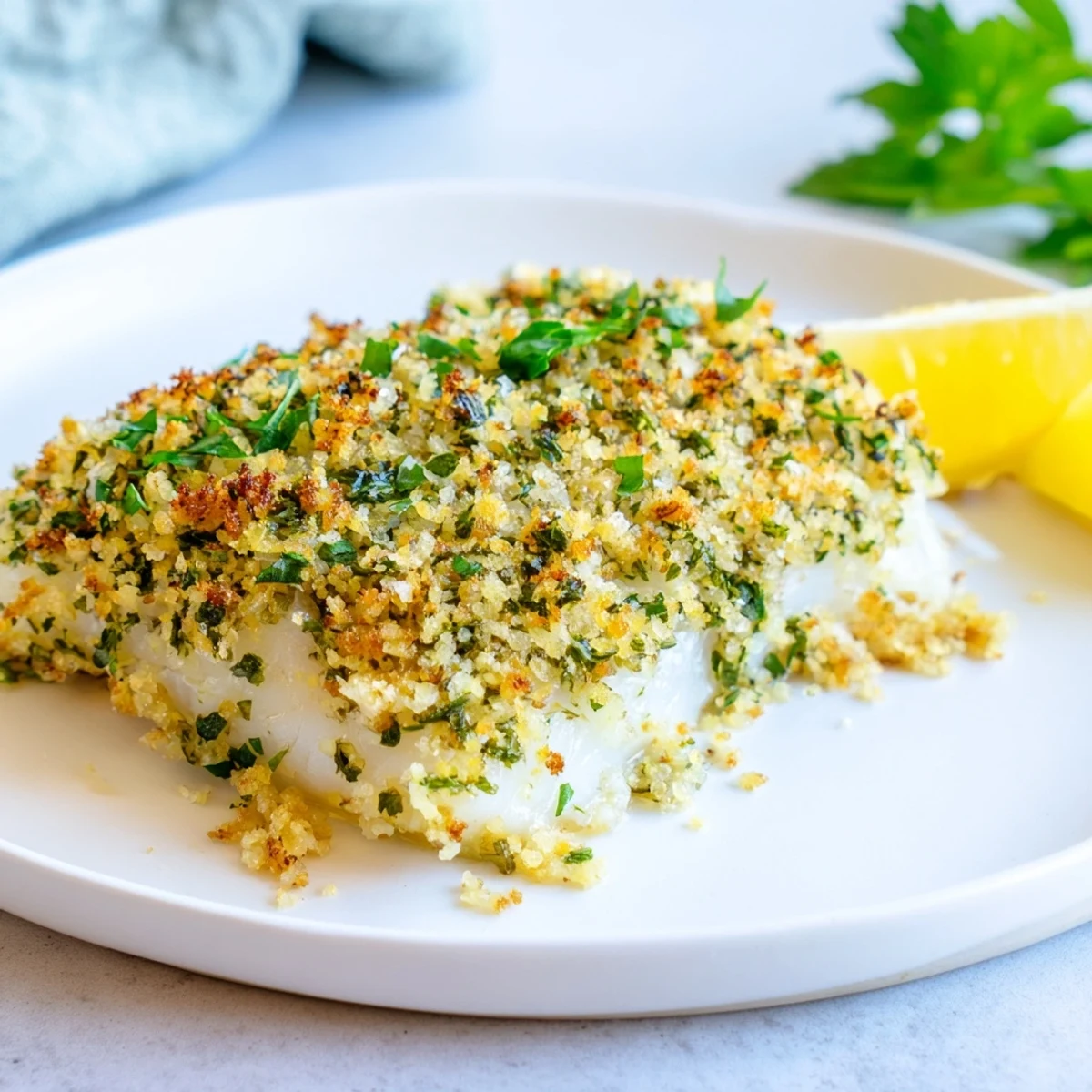
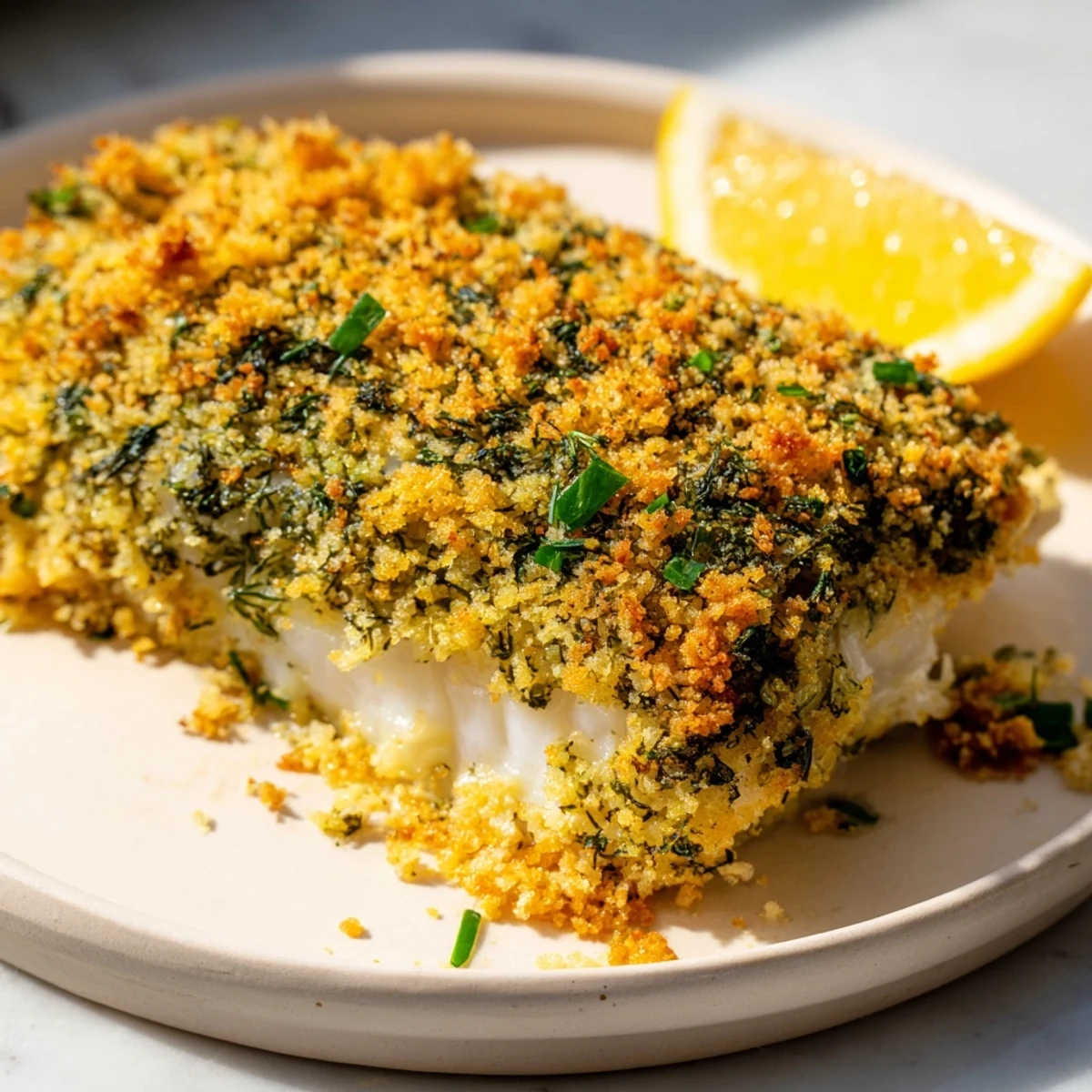
 This dish features tender cod fillets baked beneath a flavorful crust made of fresh breadcrumbs, parsley, chives, dill, lemon zest, and garlic. A light brush of Dijon mustard helps the herb mixture adhere, creating a crisp, golden topping. The fish is seasoned simply with salt and pepper, baked until flaky, and served with lemon wedges to enhance the bright, fresh flavors. Perfect for a quick and elegant main course that combines delicate seafood with aromatic herbs.
I remember the first time I made baked cod with an herb crust—it was supposed to be a simple weeknight dinner, but the moment that golden, fragrant topping came out of the oven, something clicked. The kitchen filled with the smell of fresh herbs and buttery breadcrumbs, and I realized I'd found a dish that feels both effortless and impressive. Now it's become my go-to when I want something that tastes like I spent hours in the kitchen, but honestly takes barely half an hour.
There was this one evening when unexpected guests called—they were arriving in an hour and I had nothing thawed except some cod fillets in the freezer. I panicked for about thirty seconds, then remembered this recipe. By the time they arrived, the apartment smelled incredible, the table was set, and I got to serve something that looked restaurant-quality. They had no idea I'd thrown it together in the time it took them to drive over.
Ingredients
- 4 cod fillets (about 150 g each), skinless and boneless: Cod is mild and delicate—it won't overpower the herbs and crust. Make sure they're roughly the same thickness so they cook evenly. Pat them dry before seasoning; this helps the seasoning stick and the fish cook through properly.
- Salt and freshly ground black pepper, to taste: Don't skip the fresh grinding—it makes a real difference in the final flavor.
- 60 g (about 1 cup) fresh breadcrumbs: Fresh breadcrumbs are so much better than the store-bought kind in a tin. They stay lighter and crispier. You can make your own from day-old bread if you have it.
- 2 tbsp fresh parsley, finely chopped: The backbone of the herb flavor—bright and clean.
- 2 tbsp fresh chives, finely chopped: These add a subtle onion note without being sharp. They're worth seeking out fresh.
- 1 tbsp fresh dill, finely chopped: This is the one that ties everything together with the fish. Don't use dried; it's a completely different thing.
- 1 tsp lemon zest: This is the secret ingredient that makes people wonder what makes it taste so good. Use a microplane zester if you have one—it gives you the finest, most flavorful zest.
- 1 garlic clove, minced: Just enough to add depth without overwhelming. One clove is all you need here.
- 2 tbsp olive oil: This is what keeps the crust from drying out while it bakes. Good quality olive oil makes a difference.
- 2 tsp Dijon mustard: This acts as the glue that holds everything to the fish, plus adds a subtle tang that brightens the whole dish.
- Lemon wedges for serving: Trust me on this—a squeeze of fresh lemon at the end transforms it.
Instructions
- Get Everything Ready:
- Preheat your oven to 200°C (400°F) and line a baking sheet with parchment paper or lightly oil a baking dish. This matters more than you might think—parchment keeps everything from sticking and gives you that nice golden bottom on the crust.
- Prepare the Fish:
- Pat your cod fillets completely dry with paper towels. Moisture is the enemy of a crispy crust, so don't skip this step. Season both sides generously with salt and pepper—taste a tiny piece of raw fish if you're unsure how much to use. Arrange them on your prepared sheet with a little space between each one.
- Make the Magic Crust:
- In a mixing bowl, combine the breadcrumbs, parsley, chives, dill, lemon zest, minced garlic, and olive oil. Use your fingers to mix it all together—you want everything evenly distributed and slightly moistened by the oil. The texture should feel like damp sand, not a paste. Smell it. Really smell it. That's what's about to happen to your fish.
- The Part Where It All Comes Together:
- Brush each cod fillet with a thin layer of Dijon mustard—just enough to create a sticky surface that the crust will cling to. Now comes the fun part: press the herb breadcrumb mixture onto the top of each fillet. Don't be timid. Press it down gently but firmly so it adheres and creates an even, golden crust when baked. You should see the herbs peeking through the breadcrumbs.
- Into the Oven:
- Bake for 15 to 20 minutes. Watch for the moment when the crust turns golden brown—that's when the magic happens. The fish is done when it flakes easily with a fork. If you have a thermometer, it should reach 63°C (145°F) internally, but honestly, the fork test works beautifully.
- The Grand Finale:
- Remove from the oven and serve immediately while the crust is still crispy. Plate it with those lemon wedges right alongside. A squeeze of fresh lemon brings everything into focus.
 Save to Pinterest
 Years later, this dish still brings back that same feeling—a quiet moment of accomplishment when the oven door opens and you're hit with that herb-forward aroma. It's become the recipe I make when I want to feel like myself in the kitchen, confident and calm. That's when you know a recipe has truly become yours.
When You're Missing Something
The beauty of this recipe is how forgiving it is. Don't have fresh chives? Use a tiny bit more parsley. Can't find fresh dill? Tarragon works in a pinch, though the flavor shifts slightly. Even the lemon zest can be replaced with a small pinch of lemon extract if you're truly stuck, though the fresh zest really is worth tracking down. The important thing is that you're using fresh herbs in some combination—that's what makes the crust sing.
Serving Ideas That Clicked
Serve this alongside roasted asparagus or a simple green salad dressed with lemon vinaigrette—you want something light that won't compete with the herb crust. A small serving of roasted fingerling potatoes works beautifully too. The recipe mentions pairing with Sauvignon Blanc or a light Chardonnay, and I have to agree—something crisp and clean really elevates the meal. If you're looking for a non-alcoholic pairing, sparkling water with fresh herbs and lemon is surprisingly lovely.
Keeping It Fresh
Leftover baked cod is delicious cold the next day, actually—break it into flakes and add it to a salad, or warm it gently in the oven at a low temperature if you prefer it warm. It keeps in an airtight container in the refrigerator for up to 3 days. You can prepare the herb crust mixture several hours ahead and store it in the refrigerator in a covered bowl, which is brilliant for those nights when you want to minimize last-minute prep work.
- Freeze unbaked fillets with the crust already pressed on—just add a couple of extra minutes to the baking time if cooking from frozen
- The herb crust recipe doubles beautifully if you're serving more people or want to experiment with doubling it on half the fillets
- Substitute other mild white fish like haddock, pollock, or halibut if you prefer—adjust cooking time based on thickness
 Save to Pinterest
 This is one of those recipes that never fails to feel special, no matter how many times you make it. The combination of simplicity and elegance is exactly what brings me back to the kitchen again and again.
Recipe Questions & Answers
- → What type of fish works best for this dish?
-
Cod is ideal due to its mild flavor and flaky texture, but other white fish like haddock or pollock can be substituted.
- → How do I ensure the herb crust stays on the fish?
-
Lightly brushing the fillets with Dijon mustard before applying the herb and breadcrumb mixture helps it stick and create a crisp crust.
- → Can I prepare the herb crust mixture in advance?
-
Yes, the herb crust can be mixed ahead of time and stored in the refrigerator to keep the flavors fresh.
- → What sides pair well with this baked cod?
-
Light sides such as steamed vegetables, roasted potatoes, or a crisp green salad complement the delicate flavors well.
- → How do I add a bit of heat to this dish?
-
Include a pinch of red pepper flakes in the herb crust mixture for a subtle spicy kick.